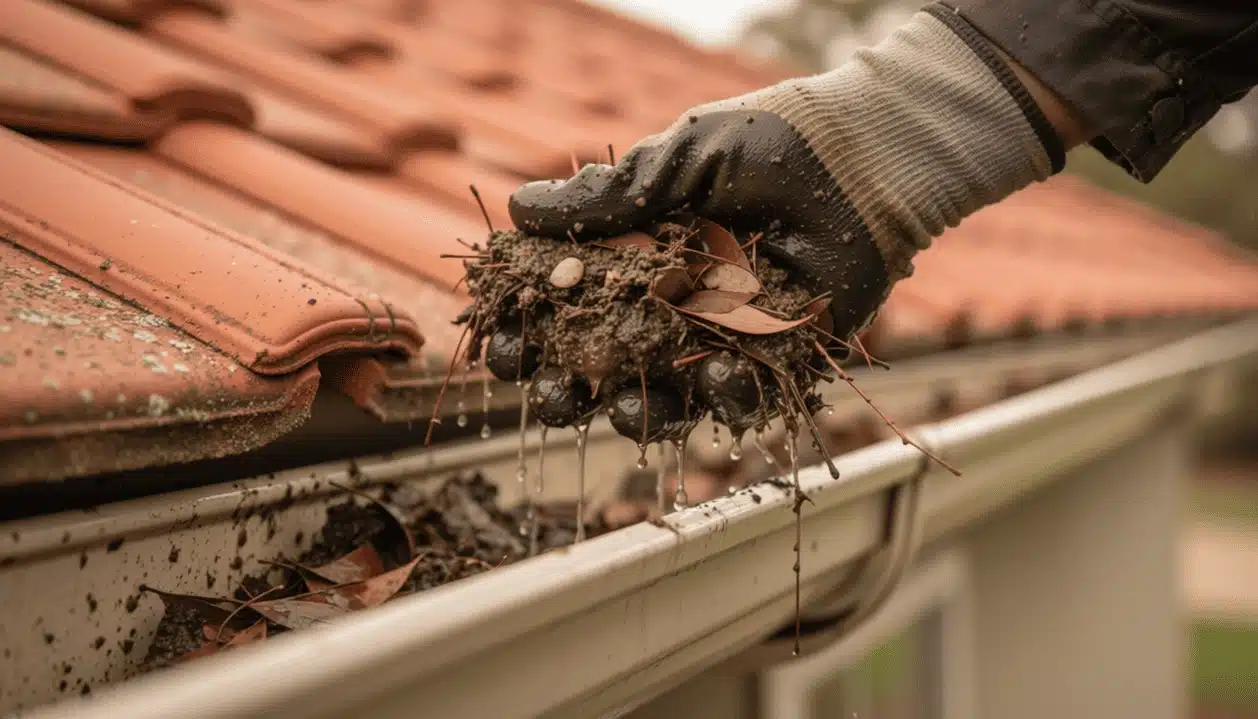
A roof restoration project represents a significant investment in property protection and value. But the drainage system that runs around the roof’s perimeter plays a larger role in restoration success than most Perth homeowners realise. Blocked gutters filled with leaves, debris, and accumulated sediment create conditions that compromise coating adhesion, prevent accurate damage assessment, and trap moisture against roof structures that need to be thoroughly dry before primer application begins.
The relationship between gutter debris removal and restoration outcome is technical, not cosmetic. Understanding why clean drainage is essential before coating work begins helps homeowners evaluate preparation standards – and avoid the scenario where a newly restored roof continues performing poorly because a foundational preparation step was overlooked.
The Technical Case for Gutter Cleaning Before Restoration
Moisture Retention and Surface Contamination
Blocked gutters prevent proper water drainage, causing overflow that saturates roof edges and penetrates beneath tiles or metal sheeting. This trapped moisture creates a direct problem for coating application. The roof surface remains damp longer after rainfall, extending drying times beyond what weather conditions alone would suggest. Coatings applied before adequate substrate drying cure improperly – regardless of the product quality or the skill of the applicators.
Water backing up from clogged gutters often seeps beneath roof tiles, saturating sarking and timber structures. This hidden moisture continues evaporating through the roof surface for weeks after visible drying occurs. When coating teams apply primer over these areas, the escaping moisture creates micro-bubbles and adhesion failures that appear as peeling or blistering within months of project completion.
Debris Migration During High-Pressure Cleaning
High-pressure roof cleaning – an essential preparation step before any restoration – dislodges decades of accumulated moss, lichen, dirt, and broken tile fragments. This material must flow freely into gutters and downpipes for removal. When gutters are already blocked, the cleaning process simply relocates debris from the roof surface into an already-compromised drainage system.
Restoration teams encounter this scenario regularly: properties arrive for restoration without drainage addressed, forcing crews to stop mid-project for extensive emergency clearing. This disruption adds days to project timelines and increases costs substantially compared to proactive gutter debris removal before work begins.
Assessment Accuracy and Hidden Structural Damage
Blocked gutters often conceal structural problems that affect restoration planning and accurate scoping. Overflowing water from clogged gutters causes fascia board rot, rafter end deterioration, and soffit damage. These issues remain hidden beneath debris until proper cleaning exposes them. Discovering structural damage mid-restoration forces project delays while repairs are completed – delays that could have been avoided with upfront gutter cleaning and inspection.
The weight of saturated debris also stresses gutter brackets and fascia attachments beyond design specifications. Restoration teams regularly identify gutters pulling away from rooflines due to debris loads. Addressing these structural concerns before restoration prevents situations where newly coated roofs suffer damage from failing gutters within weeks of project completion.
How Gutter Debris Affects Coating Performance
Edge Seal Integrity
Roof edges receive the most environmental stress from wind-driven rain, thermal cycling, and UV exposure. The coating system must form a complete seal along these vulnerable areas to prevent moisture infiltration. When gutters remain blocked with debris, accumulation prevents proper coating coverage along roof edges. Leaves and sediment create barriers that coating spray cannot fully penetrate, leaving unprotected gaps where water intrusion begins.
Professional restoration teams apply additional attention to edge details, ensuring coating coverage extends to all exposed metal or tile edges. This protection only works when gutters are completely clear of debris that would block application or create voids in the protective barrier.
Drainage Function After Restoration
A restored roof sheds water more efficiently than an aged, weathered surface. The smooth coating finish reduces friction, causing rainfall to flow faster toward gutters. If drainage systems remain partially blocked, the increased water volume from a restored roof overwhelms compromised gutters – causing overflow that defeats the restoration’s protective purpose regardless of coating quality.
Clean gutters with proper flow capacity handle the improved water-shedding characteristics of restored roofs. This synergy between coating and drainage ensures the property protection that restoration provides is fully realised throughout the coating’s service life.
How Gutter Condition Affects Damage Assessment
Identifying Tile and Flashing Problems
Debris accumulation in valleys and behind tiles often conceals underlying problems. When cleaning crews remove this material, they expose cracked tiles, failed pointing, and corroded flashing that require repair before coating. Discovering these issues during initial inspection allows accurate quoting and prevents mid-project surprises that derail timelines.
Professional roof cleaning benefits significantly from clean gutters that allow complete visual access to roof edges, valleys, and drainage points. When gutters are assessed alongside the roof surface, restoration specialists gain a complete picture of what the project actually requires – not just what’s visible from the outside.
Separating Leak Sources from Drainage Problems
Many homeowners request restoration to address leaks without understanding their true source. Blocked gutters cause a significant percentage of Perth roof leaks through overflow and water backup rather than roof surface failure. Professional gutter debris removal often resolves these leak issues without the need for full restoration – a result that saves homeowners thousands of dollars.
When gutters are cleaned first, any remaining leaks clearly indicate roof surface or structural problems that restoration genuinely needs to address. This diagnostic clarity ensures restoration efforts target actual problems rather than symptoms of poor drainage that new coating cannot resolve.
Perth Climate Considerations for Pre-Restoration Preparation
Seasonal Debris Loads and Timing
Perth’s Mediterranean climate creates specific debris accumulation patterns that influence restoration timing and preparation requirements. Autumn leaf fall between March and May coincides with the traditional restoration season – mild temperatures and lower rainfall create ideal coating conditions. Properties with nearby trees accumulate substantial leaf debris during this period, requiring cleaning immediately before restoration to prevent recontamination of prepared surfaces.
Coastal properties face additional challenges from salt-laden winds that deposit marine aerosols in gutters year-round. This salt combines with organic debris to create corrosive slurries that accelerate gutter deterioration and contaminate roof edges. Gutter and downpipe services before restoration address both the drainage system and the salt-contaminated debris that would otherwise compromise preparation quality.
Storm Preparation and Winter Readiness
Perth’s winter storms between June and August deliver intense rainfall that tests gutter capacity. Properties scheduled for restoration during spring benefit from pre-winter gutter cleaning that ensures drainage systems handle storm events without overflow damage. This preparation also protects partially completed restoration work and prevents water intrusion during the project timeline.
The Professional Approach to Pre-Restoration Gutter Cleaning
Manual Debris Extraction and Condition Assessment
Professional restoration teams begin with hand removal of leaves, twigs, and larger debris from gutters and downpipes. This manual process allows detailed inspection of gutter condition – identifying rust-through areas, assessing bracket security, and noting sections where debris has trapped moisture against metal long enough to cause corrosion. Teams work methodically from downpipes outward, ensuring debris doesn’t compact into drainage outlets during extraction.
This initial cleaning exposes the gutter surface for thorough assessment. Addressing deteriorated gutter sections before restoration prevents failures that could damage newly coated roofs within months of project completion.
High-Pressure Flushing and Flow Testing
After manual debris removal, high-pressure water flushing removes accumulated sediment, moss residue, and mineral deposits from gutter interiors. This thorough cleaning reveals the true condition of gutter materials and confirms complete drainage function. The flushing process also tests downpipe flow, identifying blockages that require clearing before restoration begins.
Professional teams coordinate gutter flushing with roof surface cleaning, managing water flow to prevent property damage and ensuring all debris reaches appropriate disposal. The integrated approach to preparation ensures both roof and drainage systems are ready before coating application begins.
Downpipe Clearing and Capacity Verification
Blocked downpipes often escape notice until gutter overflow occurs. Restoration preparation includes complete downpipe clearing using specialised tools that remove compacted debris, bird nests, and sediment accumulation. After clearing, flow testing confirms each downpipe handles design capacity without backup.
This verification step prevents situations where clean gutters still overflow due to inadequate downpipe drainage – a scenario that defeats the entire preparation investment.
Cost Implications and Warranty Compliance
Why Gutter Preparation Represents Value
Gutter debris removal typically represents 5-10% of total restoration project cost. Attempting to save this relatively modest expense creates risks that far exceed potential savings. Failed coatings from moisture-related causes require complete removal and reapplication – remediation costs that dwarf initial gutter cleaning expenses.
Permacoat, WA’s longest-serving roof restoration company with 50+ years of experience and 30,000+ Perth roofs restored, manages this integrated preparation approach through comprehensive initial inspections. Property owners receive detailed specifications covering gutter cleaning, structural repairs, surface preparation, and coating application – eliminating surprises and ensuring proper budget allocation from the outset.
Warranty Protection Through Documented Preparation
Premium coating warranties require proper surface preparation and application conditions. Moisture problems from blocked gutters can void roof coating warranty coverage if they compromise coating adhesion or create conditions outside manufacturer specifications. Professional restoration teams photograph gutter condition before and after cleaning, documenting preparation quality for warranty purposes.
This documentation proves proper preparation occurred and provides baseline references for future maintenance planning. Property owners receive this documentation as part of project completion – valuable records that protect the restoration investment if warranty claims arise years later.
Long-Term Maintenance and Service Life
Restoration represents an opportunity to establish ongoing maintenance practices that protect the investment. Professional teams provide guidance on gutter cleaning frequency based on property location, surrounding vegetation, and roof type.
Properties in coastal locations benefit from more frequent maintenance given salt aerosol accumulation. Inland properties with significant tree coverage require regular attention in autumn. Perth homeowners who maintain clean gutters consistently achieve coating performance at the upper end of warranty specifications – with many roofs exceeding their rated 15-20 year service life as a direct result of good drainage maintenance.
Properties requiring roof repairs in Perth following gutter-related moisture damage consistently demonstrate the downstream costs of deferred drainage maintenance. Prevention costs a fraction of what remediation requires.
Conclusion
Gutter debris removal before roof restoration isn’t optional preparation – it’s a technical requirement for coating success, warranty compliance, and long-term roof protection. Blocked gutters create moisture problems that compromise coating adhesion, prevent accurate damage assessment, and undermine a substantial investment. Perth’s seasonal debris patterns and winter rainfall make functional drainage essential for lasting roof performance.
Properties that receive thorough gutter cleaning before restoration consistently achieve superior coating outcomes, experience fewer warranty complications, and maintain roof protection throughout the expected service life.
For expert roof restoration in Perth that includes comprehensive drainage preparation and backed by 50+ years of experience, call (08) 9249 5955 to book your free roof and gutter inspection.