When a roof coating fails prematurely, the financial consequences extend well beyond the initial investment. Homeowners face repair costs, potential water damage, and the disruption of re-doing work that should have lasted 15-20 years. This reality explains why Dulux Australia maintains one of the industry’s most rigorous accreditation programs for roof coating applicators.
The difference between a standard roof painter and a Dulux accredited roofer isn’t simply a certificate on the wall. It represents a fundamental separation in technical competency, quality standards, and accountability that directly affects how long a roof coating lasts – and whether a roof coating warranty holds genuine value when problems arise.
What Dulux Accreditation Actually Means
Beyond the Certificate on the Wall
Dulux doesn’t accredit applicators through weekend courses or online modules. The vetting process begins with documented proof of established business operations, current licensing, and comprehensive insurance coverage including public liability and workers compensation. This initial screening eliminates sole operators and newly established businesses that lack the infrastructure to honour long-term warranty commitments.
The accreditation process isn’t designed to validate what applicators say about themselves. It’s designed to verify what they can demonstrate in practice.
Initial Screening: What Gets Eliminated First
Before any technical assessment occurs, candidates must prove their business has the operational foundations that professional roofing work requires.
This stage removes a significant portion of applicants. Businesses without current licensing, without adequate insurance, or without the documented track record that established operations carry simply cannot proceed. The minimum entry requirements alone are more rigorous than most Perth homeowners realise.
The Technical Assessment Most Painters Cannot Pass
Surface Preparation: Where the Assessment Begins
Surface preparation methodology receives detailed scrutiny because it determines whether even the best coating chemistry can perform as designed.
Applicants must demonstrate proper cleaning techniques that remove all organic growth, dirt, and loose coating without damaging substrate materials. For tile roofs, this includes understanding how high-pressure roof cleaning affects different tile compositions. Terracotta requires different PSI settings than cement tiles to avoid surface erosion. Metal roofs demand knowledge of appropriate chemical treatments for rust conversion and the limitations of coating over severely corroded substrates.
Getting this stage wrong means the coating system fails from the first day – regardless of what goes on top.
Product Knowledge Testing
Product knowledge testing covers the complete Dulux Acratex roof coating system, not just application techniques.
Accredited applicators must understand primer selection based on substrate type, the chemical composition differences between membrane coatings and topcoats, and why the three-coat system delivers superior performance compared to single or double coat applications. They also need to understand when restoration remains viable – and when re roofing in Perth becomes the only responsible recommendation for a homeowner.
This knowledge separates applicators who understand why they’re doing each step from those who simply follow a checklist.
Perth Climate Knowledge Requirements
Perth’s coastal and inland climate variations create specific challenges that the accreditation process addresses directly.
Applicants must demonstrate understanding of how salt-laden air affects coating adhesion in suburbs like Scarborough or Cottesloe, compared to the different weathering patterns in eastern suburbs like Kalamunda. Temperature and humidity application parameters aren’t suggestions. They’re strict requirements that determine whether coatings cure properly and achieve their rated lifespan. Applications outside these parameters fail – regardless of product quality.
Why Application Methodology Separates Accredited Teams
Equipment Standards and Spray Application
The physical application process reveals where most non-accredited painters fall short of quality standards.
Dulux accreditation requires specific equipment standards including commercial-grade airless sprayers capable of consistent pressure delivery and proper atomisation of coating materials. Hand-rolling roof coatings might appear adequate, but it cannot achieve the film thickness uniformity and surface penetration that spray application delivers. The visual difference between rolled and sprayed coatings often isn’t apparent immediately – but it becomes clear within the first few summers.
Film Thickness: The Measurable Quality Difference
Coverage rates receive particular scrutiny during assessment. Non-accredited painters frequently over-thin coatings to increase coverage and reduce material costs. This practice compromises coating thickness and durability in ways that aren’t visible to homeowners until premature failure occurs.
Accredited applicators must demonstrate accurate measurement of wet film thickness during application and understand the relationship between wet and dry film thickness for different Acratex products. A primer coat requires a minimum 100 microns dry film thickness. Membrane coatings need 150-200 microns per coat to deliver rated performance and support the roof coating warranty that homeowners are paying for.
Critical Detail Work: Valleys, Ridges, and Junctions
Edge detailing and penetration sealing separate competent applicators from exceptional ones. Valleys, ridges, flashings, and roof-to-wall junctions create the most common coating failure points. Accredited teams must demonstrate proper technique for building coating thickness in these critical areas without creating runs or sags that compromise appearance and performance.
This is where inexperienced applicators consistently underperform – applying adequate thickness to flat surfaces while leaving detail areas vulnerable.
The Three-Coat System: Purpose Behind Every Layer
The three-coat system that Dulux specifies isn’t arbitrary. Each layer serves a distinct purpose that accredited applicators must understand and execute correctly.
The primer sealer penetrates porous surfaces and creates the adhesion foundation. The first membrane coat provides waterproofing and fills minor surface imperfections. The second membrane coat delivers UV protection, colour consistency, and the final protective barrier that determines coating longevity. Rushing or combining these steps undermines the entire system’s engineered performance.
The Quality Control Framework That Protects Homeowners
Pre-Application Inspection Requirements
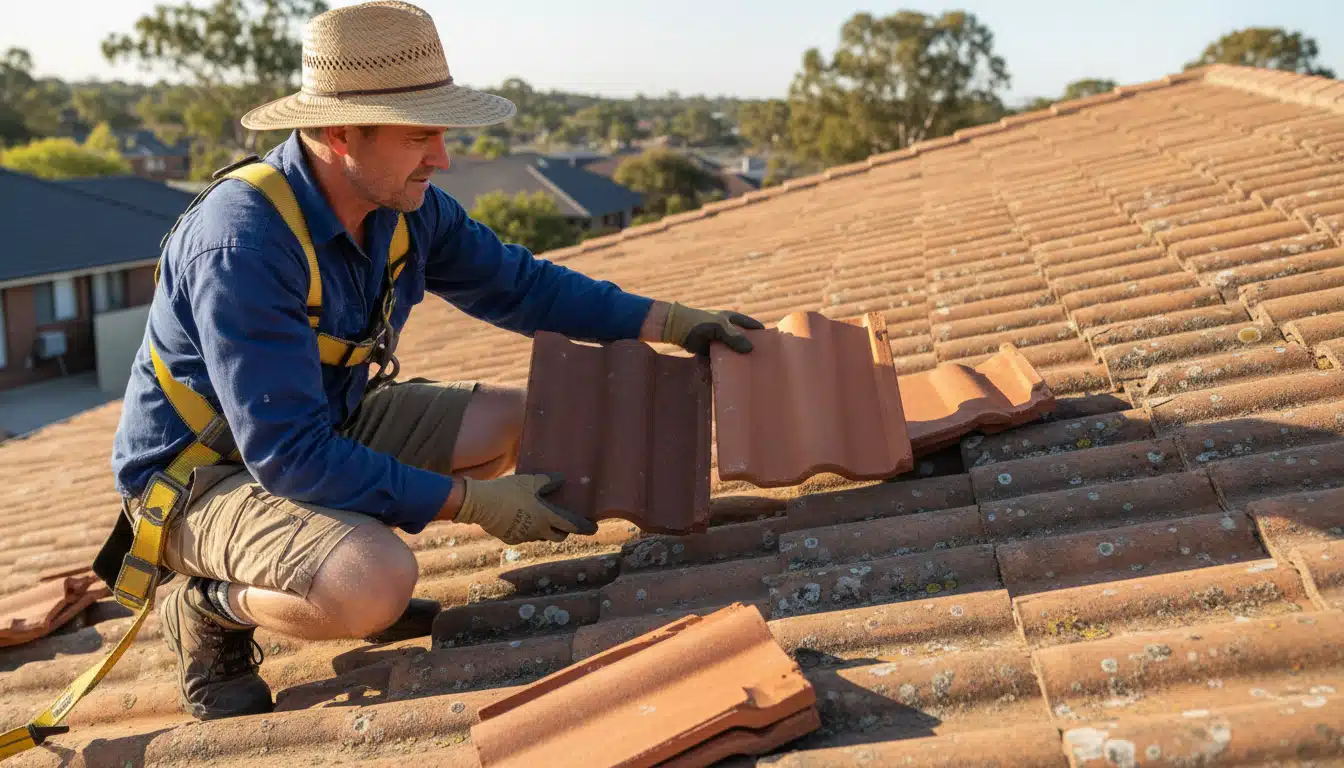
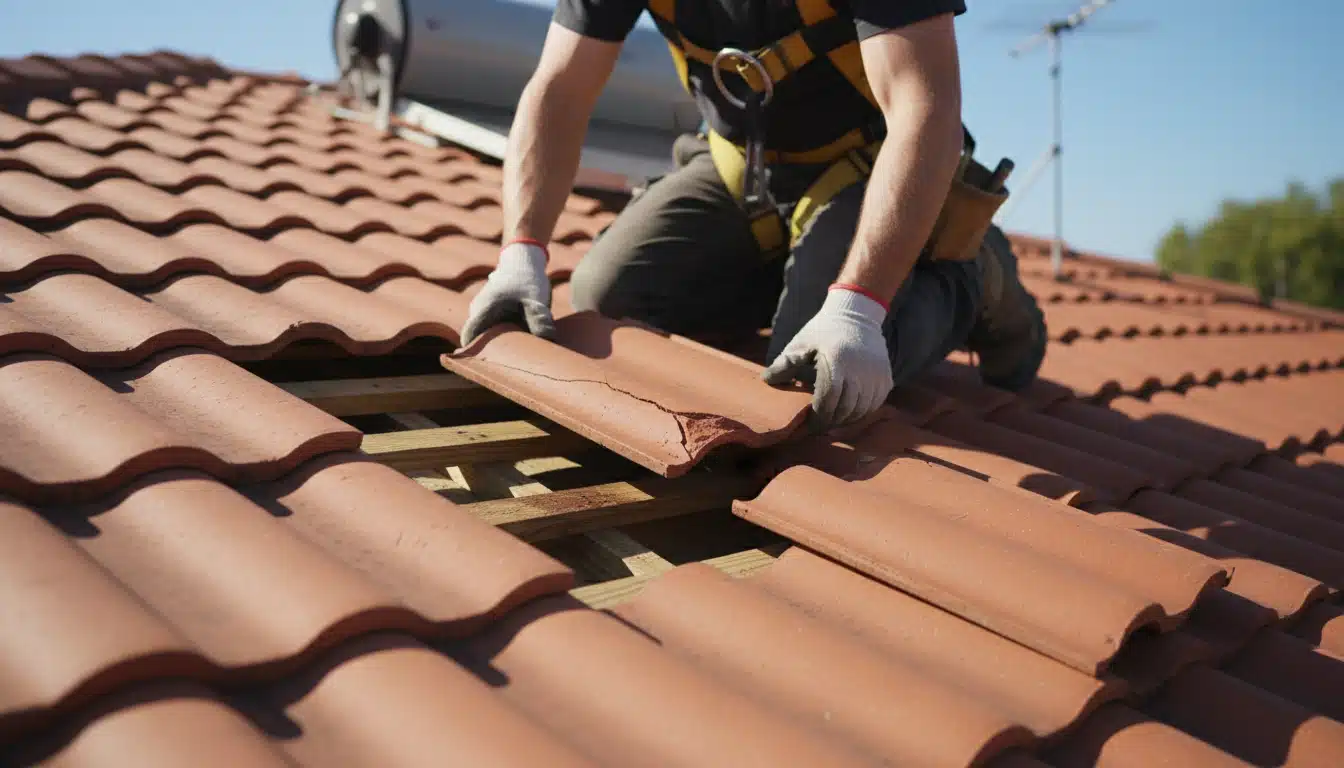
Pre-application roof inspections must identify and document all structural issues, damaged tiles, and substrate problems before coating begins. This protects homeowners from the common scenario where a newly coated roof still leaks because underlying tile roof repairs weren’t completed first.
No coating system – however premium – can fix structural or waterproofing problems beneath it. Identifying and resolving these issues before application begins is what separates a genuine restoration from a paint job.
Documentation and Accountability
Photographic documentation requirements create accountability at each project stage. Accredited applicators photograph roof condition before cleaning, after preparation, and after each coating layer. This documentation proves proper process adherence and provides evidence if warranty claims arise years later.
When a homeowner contacts Dulux about coating failure, these records determine whether the issue stems from application defects or external factors like storm damage. Without records, determining cause becomes difficult – and homeowner recourse becomes limited.
The Separate Team Approach
The separate team approach that Permacoat employs reflects accreditation standards for professional operations. Restoration work – including tile replacement, leak repairs, and structural corrections – requires different expertise than spray coating application.
Accredited businesses maintain distinct teams with specialised skills rather than expecting the same workers to handle all aspects of roof work. This separation ensures roof repairs get addressed by qualified tradespeople before coating teams begin, maintaining quality control across every stage of the project.
Weather Monitoring and Application Timing
Coatings applied when temperatures fall below 10°C or exceed 35°C, or when humidity exceeds 85%, won’t cure properly regardless of applicator skill. Accredited teams must demonstrate weather tracking procedures and willingness to reschedule work when conditions fall outside specification parameters.
This commercial discipline is one that smaller, non-accredited operators often ignore under schedule pressure – with consequences that show up in coating performance one to two years later.
The Warranty Structure That Reflects Real Accountability
What the 15-20 Year Warranty Actually Covers
Dulux backs accredited applicator work with product warranties extending 15-20 years for roof coatings applied according to system specifications. This warranty duration vastly exceeds what non-accredited painters can offer because it reflects Dulux’s confidence in both product performance and verified application quality.
The warranty covers coating adhesion, colour stability, and waterproofing performance. But it only applies when work is completed by accredited applicators following proper methodology. The warranty and the accreditation are inseparable – one without the other has limited value.
Why the Claim Process Matters
When coating issues develop, Dulux investigates whether proper products, preparation, and application occurred. Non-accredited applicators leave homeowners without this manufacturer support. Using Dulux products without accreditation means the manufacturer bears no responsibility for performance failures caused by improper application – and the painter’s own warranty likely offers limited practical recourse.
Financial Backing Behind Accredited Warranties
The financial backing behind accredited applicator warranties includes professional indemnity insurance that covers coating failure costs including water damage to home interiors. This insurance requirement – part of maintaining accreditation – means homeowners have recourse beyond the applicator’s current cash flow if major problems develop.
Non-accredited painters rarely carry this level of coverage, leaving homeowners exposed to significant financial risk when coating failure causes consequential damage.
How Accreditation Affects Project Outcomes and Costs
The Quality Difference Becomes Apparent Within Years
Properly applied Dulux Acratex systems maintain colour consistency and surface integrity through Perth’s intense UV exposure and seasonal weather variations. Substandard application shows premature fading, adhesion failure, and waterproofing breakdown – requiring complete re-coating well before the expected 15-20 year lifespan.
For Perth homeowners, the visible signs of premature coating failure typically appear between years three and five. By then, the original applicator may be difficult to contact – and the absence of a valid roof coating warranty leaves the homeowner absorbing the full replacement cost.
Why Accredited Work Costs More – and Costs Less Over Time
Project costs reflect the additional labour, materials, and expertise that accreditation standards require. Accredited applicators cannot compete on price with painters who skip preparation steps, reduce coating thickness, or eliminate quality control processes.
The cost difference typically ranges from 15-30% higher for accredited work. But this premium purchases coating performance that lasts twice as long as budget alternatives. When calculated over the coating lifespan, accredited application delivers substantially lower annual cost and eliminates the disruption of premature re-coating.
Why Thorough Takes Longer
Roof cleaning that removes all organic growth and surface contamination takes longer than superficial washing. Identifying and completing necessary repairs before coating begins adds project duration – but prevents the scenario where a newly coated roof continues leaking because underlying issues weren’t addressed.
This approach means accredited projects typically require 4-6 days for average homes, compared to the 2-3 days that rushed work takes. The time difference is where much of the quality difference is built.
The Verification Process Homeowners Should Demand
Confirming Accreditation Status
Confirming Dulux accreditation requires more than accepting verbal claims or viewing certificates that might be outdated. Dulux maintains a current accredited applicator directory that homeowners can access to verify current status. This verification should occur before signing contracts. Accredited status can lapse if businesses fail to maintain insurance, licensing, or quality standards – so recent confirmation matters more than historical certification.
What a Proper Proposal Looks Like
Requesting detailed scope of work documentation reveals whether applicators genuinely understand accreditation requirements.
Proper proposals specify:
- The complete three-coat system including product names and coverage rates
- Surface preparation methodology
- Repair work that precedes coating application
- Realistic timeframes that allow for proper curing between coats
Vague proposals that promise “roof painting” without this detail suggest the applicator lacks the technical knowledge that accreditation demands.
Insurance Verification
Insurance verification protects homeowners from liability if workers suffer injuries on-site. Accredited applicators carry current workers compensation and public liability coverage with minimum $20 million limits. Requesting certificates of currency directly from insurers – not copies from the applicator – confirms this protection exists.
Businesses that hesitate to provide direct insurer certificates are signalling that this protection may not be current.
Why Experience Duration Matters Beyond Accreditation
Dulux accreditation establishes minimum competency standards, but experience duration reveals operational maturity that newer accredited businesses haven’t yet developed.
A company that has completed thousands of roof restorations over decades in Perth has encountered and resolved virtually every substrate condition, weather challenge, and technical complication that WA roofs present. This accumulated knowledge prevents problems that less experienced teams only discover through costly mistakes. Real-world feedback from systems applied in the 1990s and 2000s informs current methodology in ways that recent accreditation cannot replicate.
Business stability over decades also indicates the financial health and operational systems needed to honour long-term warranty commitments. When a roof coating warranty extends 15-20 years, the company providing it needs to exist – and be solvent – for that entire period. This consideration matters when selecting between a newly established accredited business and one with decades of operational history in Perth’s roofing market.
For properties requiring complete strata roofing services, experience at scale matters further still. Maintaining consistent outcomes across hundreds of units requires documented processes, trained teams, and quality management systems that prevent the variability common in smaller operations.
Conclusion
The distinction between Dulux accredited applicators and standard roof painters fundamentally affects whether a coating investment delivers its intended 15-20 year performance or requires expensive re-work within five to seven years.
Verifying Dulux accreditation before engaging a roof coating contractor isn’t optional due diligence – it’s the practical step that determines whether the roof coating warranty a homeowner receives is worth the paper it’s printed on. The rigorous vetting process, technical competency requirements, quality control standards, and manufacturer backing that accreditation provides are the only reliable path to coating performance that protects Perth property values long-term.
For expert roof restoration in Perth backed by 50+ years of experience as WA’s longest-serving Dulux accredited specialists, call (08) 9249 5955 to book your free roof assessment.