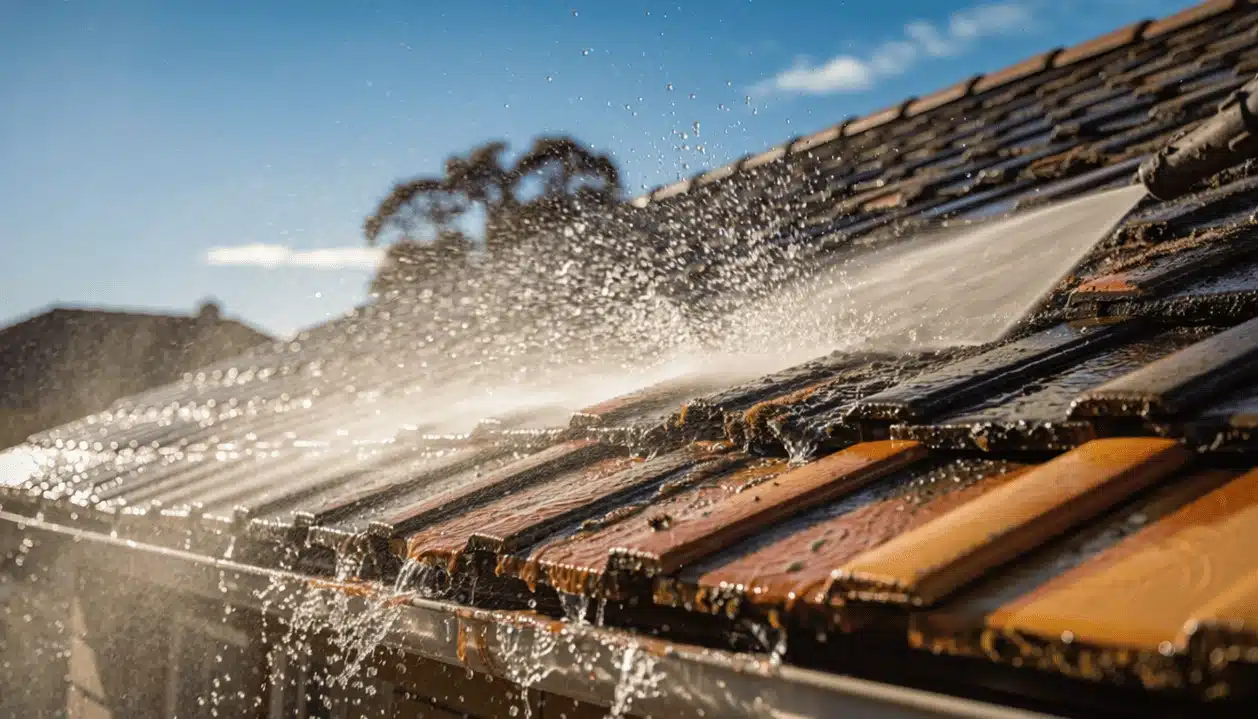
Roof restoration without proper surface preparation delivers results that fade within years. Perth’s climate creates some of the most demanding roof surfaces in Australia – coastal salt accumulation, intense UV degradation, biological growth, and seasonal extremes all contribute to contamination layers that coating systems simply cannot bond through.
The difference between a restoration that lasts 15-20 years and one that fails within five often comes down to what happens before the first coat of primer touches the surface. Understanding why high-pressure roof cleaning matters – and what it actually achieves – helps Perth homeowners evaluate contractors and protect their restoration investment.
Why Surface Preparation Determines Restoration Outcomes
The Foundation That Everything Else Depends On
Coating adhesion depends entirely on substrate condition. Even the most advanced coating chemistry fails prematurely when applied over a layer of biological growth, oxidised paint, or accumulated grime rather than clean tile.
The mechanism is straightforward. Contaminants create a barrier layer between coating and substrate. The coating bonds to the debris rather than the tile – and when that debris layer breaks down under thermal stress or moisture, the entire coating system goes with it. Roof surface preparation is not a preliminary step that happens before the real work begins. It is the work that determines whether everything else succeeds.
The Cost of Getting It Wrong
Inadequate preparation creates predictable failure patterns that appear within 2-5 years. Peeling, blistering, and biological regrowth emerge in areas where contaminants remained beneath the coating layer.
Complete remediation costs 40-60% more than doing the work correctly from the start – because it involves stripping failed coating, addressing damage that occurred during the failure period, and then completing the full restoration process again. Perth homeowners who choose budget operators to save $2,000-3,000 often face $8,000-12,000 in remediation costs within five years.
What Roof Pressure Cleaning Actually Removes
Perth’s climate creates specific contamination patterns that differ from other Australian cities. Coastal properties accumulate salt deposits. Inland homes deal with dust, pollen, and UV degradation. Every roof type – terracotta tiles, cement tiles, or Colorbond metal – builds up layers that compromise coating performance.
Biological Growth: The Most Persistent Contamination
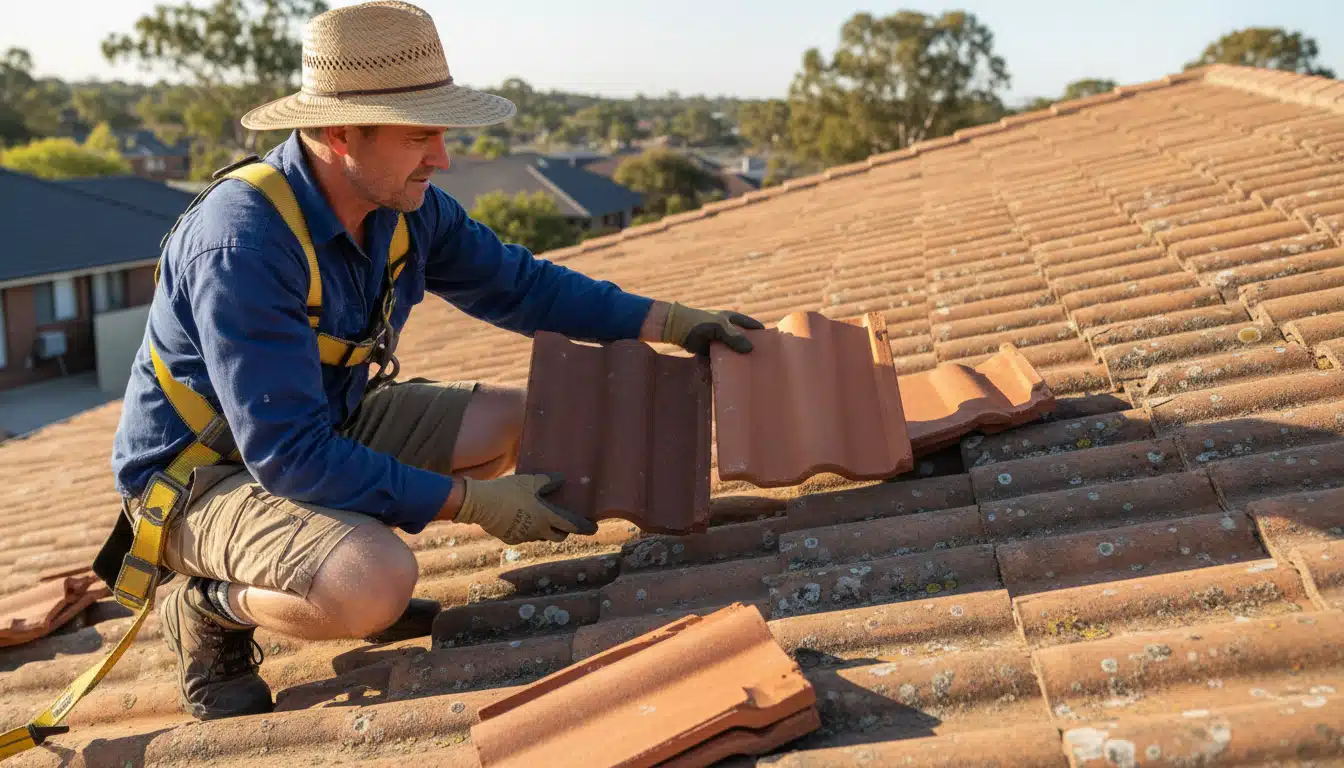
Biological growth appears as black streaks from algae, green patches from moss, or crusty grey deposits from lichen. These organisms don’t just sit on the surface. They develop root structures that penetrate porous materials like cement and terracotta, sometimes reaching 2-3 millimetres into the substrate.
Applying coating over active growth traps moisture and creates the perfect environment for continued biological activity beneath the new surface. Dead root material remains after surface cleaning unless properly treated with biocide pre-treatment – a step that separates thorough roof surface preparation from a simple wash-down.
Oxidised Coating and Surface Residue
Old painted roofs develop a chalky oxidation layer that prevents new coatings from bonding properly. Running a hand across an aged painted roof and seeing colour transfer confirms active oxidation. This powdery surface must be completely removed before recoating.
Accumulated dirt compounds the problem. Years of grime contain oils, minerals, and organic matter that act as bond-breakers between substrate and coating. Tile roof repairs become necessary more frequently on roofs where these contamination layers weren’t fully addressed during restoration preparation.
Coastal Salt Deposits
Salt deposits present particular challenges on Perth’s coastal properties. Salt attracts moisture and accelerates corrosion on metal roofs while degrading tile surfaces over time. Properties within 5km of the coast require thorough salt removal before restoration work begins – and standard surface rinsing doesn’t achieve this. The crystals embed into porous tile surfaces and mortar joints, requiring controlled pressure and adequate water volume for complete removal.
Why Water Pressure Matters More Than Most Realise
The pressure level determines what gets removed and what stays intact. Too little pressure leaves contaminants in place. Too much damages substrate materials, creating more problems than it solves.
Professional vs Consumer-Grade Equipment
Professional equipment delivers 3,000-4,000 PSI for tile roofs and 2,500-3,000 PSI for metal roofing. This range provides sufficient force to dislodge embedded biological growth and oxidised coatings without damaging the underlying material.
Consumer-grade pressure washers typically max out at 2,000 PSI – inadequate for proper restoration preparation. Water volume matters equally. Commercial systems deliver 15-20 litres per minute compared to 6-8 litres from domestic units. Higher flow rates flush away dislodged material rather than simply redistributing it across the roof surface. This combination of pressure and volume is what thorough moss and lichen removal actually requires.
Correct Cleaning Patterns
Cleaning technique matters as much as equipment specifications. Operators work from ridge to eaves, ensuring contaminated water flows down and off the roof rather than pooling in valleys or behind chimneys.
Every tile overlap, valley, and flashing junction receives individual attention. These are the areas that harbour the most stubborn biological growth – and the areas most likely to compromise coating adhesion if preparation is rushed. A roof that looks clean from the ground may still carry significant contamination in these concealed zones.
The Science Behind Coating Adhesion
How Molecular Bonding Works
Coating manufacturers specify surface preparation requirements because adhesion depends on molecular bonding between coating and substrate. Contaminants create a barrier layer that prevents this bonding – and the consequences follow regardless of coating quality.
Surface profile affects how coating grips the substrate. Clean, slightly textured surfaces provide mechanical adhesion through microscopic peaks and valleys. High-pressure cleaning creates this ideal profile by removing smooth contamination layers and exposing the textured substrate beneath. pH levels on the roof surface also influence coating chemistry – biological growth and accumulated debris alter surface pH, potentially interfering with coating cure rates.
Moisture Content and Why It Matters
Proper roof surface preparation removes water-holding contaminants like moss and lichen that would otherwise trap moisture beneath new coatings. This moisture creates blistering, peeling, and premature failure within 2-3 years – a timeline that frustrates homeowners who believed their restoration had years of life remaining.
Professional restoration schedules allow 2-3 days drying time after cleaning before primer application. Contractors who clean and coat on the same day eliminate this critical window, guaranteeing moisture-related failures regardless of which coating product they use.
Common Cleaning Shortcuts That Compromise Restoration
Some contractors reduce cleaning time to lower quotes and accelerate project completion. These shortcuts create predictable failure patterns that appear within years.
Single-Pass Cleaning
Single-pass cleaning covers the roof quickly but leaves contaminants in tile overlaps, valleys, and textured surfaces. Proper cleaning requires multiple passes with different spray angles to reach all surfaces. Areas that receive one quick spray retain enough biological material to compromise coating adhesion – even when the roof looks acceptably clean after the pass.
Wrong Pressure Settings
Terracotta tiles require different pressure than cement tiles. Metal roofing needs lower pressure than tile substrates. Generic pressure settings that don’t account for material differences either leave contaminants behind or damage the substrate. Protective roof coatings applied over incorrectly prepared surfaces cannot compensate for the weak bond created by inadequate or inappropriate cleaning.
Skipping Pre-Treatment for Heavy Growth
Stubborn moss and lichen require pre-treatment before pressure cleaning begins. This loosens root structures and allows complete removal during the cleaning phase. Bypassing this step leaves dormant spores that reactivate under coating layers – and biological regrowth through a coating system within 18 months is the predictable outcome.
How Proper Cleaning Extends Coating Life
Uniform Coating Thickness
Clean surfaces allow coating to spread evenly and achieve specified film thickness. Contaminated surfaces create thin spots where coating pools around debris rather than bonding to substrate. These thin spots fail first, becoming entry points for widespread coating breakdown.
The warranty periods offered by quality restoration companies reflect their confidence in surface preparation standards. Permacoat, WA’s longest-serving roof restoration company with 50+ years of experience and 30,000+ roofs restored across Perth, provides 15-20 year coating warranties because systematic preparation creates the foundation for long-term coating performance.
Reduced Maintenance and Regrowth Resistance
Roofs restored over properly cleaned surfaces resist biological regrowth for years because there’s no organic material beneath the coating to support new growth. Inadequately cleaned roofs show moss and lichen returning within 18-24 months – forcing homeowners into repeated cleaning cycles that represent an ongoing cost rather than a resolved problem.
Colour Retention in Perth’s UV Environment
Dulux Acratex coatings maintain colour when properly bonded to clean substrate. Poor adhesion allows UV radiation to attack the coating-substrate interface, accelerating fade and chalk formation. Perth’s UV index regularly exceeds 11 during summer months – the most intense conditions in which coating performance will be tested, and the conditions that reveal preparation shortcuts fastest.
What Professional Cleaning Includes Beyond Pressure Washing
High-pressure cleaning is one component of comprehensive surface preparation. Professional restoration includes additional steps that ensure coating success throughout the project.
Pre-Inspection and Debris Removal
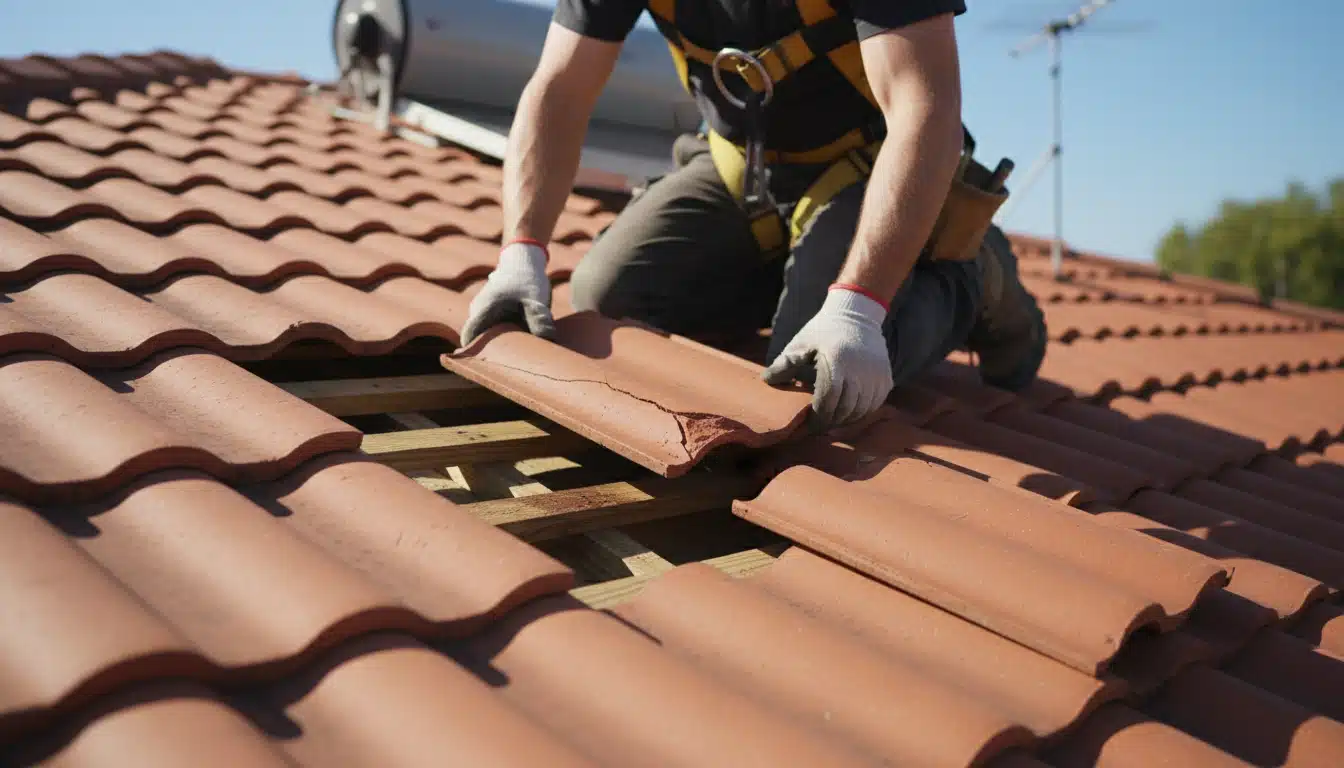
Pre-inspection identifies damaged tiles, deteriorated flashing, and areas requiring repair before cleaning begins. Cleaning damaged roofs without addressing structural issues wastes time and money – and properties with gutter and downpipe services requirements benefit from having drainage cleared before pressure washing begins. Blocked drainage prevents proper surface access and creates complications during the cleaning phase that delay the entire project.
Spot Treatment and Post-Cleaning Verification
Heavy moss growth receives pre-treatment that kills organisms and loosens root structures. Rust stains on metal roofs require specialised treatment before pressure cleaning. Oil or grease deposits require degreasing agents that generic pressure washing cannot address.
Post-cleaning inspection verifies complete contaminant removal and identifies any damage that occurred during cleaning. This quality control step catches problems before coating application rather than discovering them after restoration is complete. Skipping it is a shortcut that professional operators never take.
Questions to Ask Before Restoration Begins
Property owners should verify cleaning protocols before committing to restoration contracts. These questions reveal whether contractors understand proper preparation.
- What pressure settings will you use for my roof material? Specific PSI ranges for different materials indicate experience and proper equipment.
- How long between cleaning and coating? Same-day cleaning and coating is a red flag for moisture-related failure.
- What pre-treatment do you use for biological growth? Specific products and methods demonstrate a systematic approach.
- How do you verify complete contaminant removal? Post-cleaning inspection procedures signal quality control commitment.
- What happens if cleaning reveals additional roof repairs in Perth? Clear communication about discovered damage prevents disputes mid-project.
Conclusion
Roof pressure cleaning determines whether a restoration lasts 5 years or 20. The difference between adequate and exceptional results comes down to thorough contaminant removal, correct pressure settings, adequate drying time, and systematic quality control before coating application begins.
Perth’s climate creates genuinely challenging roof conditions. Coastal salt exposure, biological growth, UV degradation, and seasonal weather extremes demand preparation standards that consumer-grade equipment and rushed timelines cannot achieve. The restoration investment deserves a proper foundation.
For expert roof restoration in Perth built on thorough surface preparation and backed by 50+ years of experience, call (08) 9249 5955 to book your free roof inspection.