Perth homeowners who have watched a roof restoration project delayed by weather forecasts sometimes question whether the caution is necessary. The short answer is yes – and the reason is chemistry rather than contractor preference.
Roof coating cure time is not a drying period in the way a painted wall dries. It’s a molecular transformation where polymer chains cross-link to form the durable, flexible membrane that protects a Perth home through decades of UV exposure, coastal salt, and temperature extremes. When the conditions for that transformation aren’t right, the membrane doesn’t form correctly – and no amount of time spent waiting afterward reverses the compromised molecular structure that results.
The Science Behind Coating Cure Chemistry
How Acrylic Roof Coatings Actually Cure
Acrylic roof coatings undergo a multi-phase curing process that distinguishes them from ordinary paint. During the initial phase, water evaporates from the coating surface. If ambient temperature drops below 10°C, this evaporation slows dramatically – the coating remains soft, vulnerable, and unable to resist the dew, rain, or coastal moisture that Perth conditions commonly deliver overnight.
The cross-linking phase follows, where polymer molecules bond together to create the coating’s protective matrix. This chemical process demands consistent temperatures between 10-35°C for optimal molecular bonding. Temperature fluctuations during this critical window – common in Perth’s shoulder seasons when warm afternoons give way to cool nights – create weak points in the molecular structure that eventually manifest as cracking or delamination.
Humidity plays an equally important role. Relative humidity above 85% prevents proper water evaporation, leaving excess moisture trapped within coating layers. This trapped moisture weakens adhesion and creates conditions for premature coating failure that appear unpredictably weeks or months after application.
The Final Cure Phase
The final cure phase extends 7-14 days depending on coating thickness and environmental conditions. During this period, the coating continues hardening and developing its full protective properties. Exposure to rain before complete cure can wash away uncured material or create permanent surface defects. This extended vulnerability window is why experienced contractors require not just good application-day weather but a sustained weather window covering the full cure period.
Perth’s Mediterranean Climate Challenges
The Premium Window and High-Risk Periods
Perth’s Mediterranean climate creates distinct seasonal windows for roof coating weather window planning. The dry summer months from December through February offer ideal conditions – consistent temperatures, low humidity, and minimal rain risk. These months represent the optimal window for roof coating cure time performance.
Winter months from June through August present the opposite scenario. Coastal properties face morning dew, afternoon sea breezes carrying moisture, and unpredictable rain systems. Inland suburbs experience cold overnight temperatures that halt the curing process for hours. Projects scheduled during these months face extended timelines and elevated failure risk that even the most experienced contractors cannot fully eliminate.
The transition months of April-May and September-October create Perth’s trickiest conditions. Days might offer perfect application weather, but overnight temperatures can drop below the critical 10°C threshold. A coating applied at 2pm under ideal conditions might stop curing by 10pm when temperatures plummet.
Coastal vs Inland Perth Differences
Coastal suburbs from Fremantle to Quinns Rocks face conditions that inland Perth properties don’t encounter. Salt-laden sea breezes can push relative humidity above 85% even on apparently clear days – invisible moisture that dramatically extends coating cure time and increases failure risk. A Cottesloe roof faces fundamentally different conditions than a Kalamunda property despite being only 30 kilometres apart.
Perth’s intense UV radiation adds one positive variable: it can accelerate initial cure during summer months. But this benefit only applies when temperature, humidity, and rain forecasts all remain within specification simultaneously. UV acceleration without the other conditions being met doesn’t compensate for compromised cure chemistry.
Weather Window Requirements for Multi-Coat Systems
Why Each Coat Needs Its Own Cure Cycle
Professional roof restoration applies three separate coating layers – a primer sealer followed by two protective topcoats. Each layer requires its own complete cure cycle before the next application can proceed. The coating cure time for the primer sealer is 24-48 hours minimum depending on temperature and humidity. Applying the first topcoat over insufficiently cured primer compromises the adhesion of the entire system.
Between the first and second topcoats, another 24-48 hour window is required. Rushing this timing causes coatings to separate or develop bubbles as trapped solvents try to escape through the upper layer – failures that appear initially sound but deteriorate within months.
The Complete Weather Window Required
A complete three-coat system therefore requires a minimum 5-7 day weather window with stable conditions throughout. That window must account for:
- No rain during application or for 48 hours afterward
- Temperatures consistently between 10-35°C, including overnight lows
- Relative humidity below 85% throughout
- No heavy dew formation overnight
- No forecast storms within the cure period
Experienced contractors extend this window to 10-14 days when scheduling projects, building in safety margins for unexpected weather changes. This conservative approach prevents the costly scenario of partially completed roofs caught by rain between coats.
What Happens When Weather Windows Fail
Rain Events and Dew Formation
Rain striking a roof within four to six hours of coating application can wash away the entire layer. The coating hasn’t developed sufficient surface cure to resist water, and expensive material literally runs off the roof. Complete recoating is required once conditions improve.
Dew formation presents a more insidious problem. The coating surface appears intact, but moisture disrupted the cure chemistry overnight. Weeks or months later, the coating begins flaking or peeling because proper molecular adhesion never developed at the coating-substrate interface. Homeowners experiencing this failure pattern often can’t identify when the critical failure occurred – it manifests as a gradual problem rather than a sudden event.
Temperature Drops During Cure
The phenomenon called thermal shock affects coatings on Perth roofs when warm afternoon application gives way to cold nights. The coating’s surface cures at one rate during warm afternoon temperatures while the base layer cures more slowly as temperatures fall. This differential curing creates internal stress that eventually manifests as cracking or delamination – failure patterns that can take one to two years to become visible.
High humidity during cure produces a soft coating that never achieves full hardness. These coatings attract dirt, develop mould growth, and fail to provide expected protection despite looking normal at project completion.
Professional Weather Monitoring and Project Scheduling
Reputable contractors don’t rely on casual weather checks when planning roof restoration projects. They monitor multiple data sources including Bureau of Meteorology extended forecasts, temperature trends, humidity predictions, and historical weather patterns for the specific project location. Coastal projects receive extra scrutiny – microclimate variations across Perth’s suburbs mean the same forecast can represent very different actual conditions at different properties.
Permacoat, WA’s longest-serving roof restoration company with 50+ years of experience and 30,000+ Perth roofs restored, schedules projects weeks in advance and maintains weather monitoring protocols including checking conditions at 6am on scheduled work days. If overnight conditions have created unsuitable surface moisture or if forecasts have deteriorated, the decision to delay rather than proceed is non-negotiable.
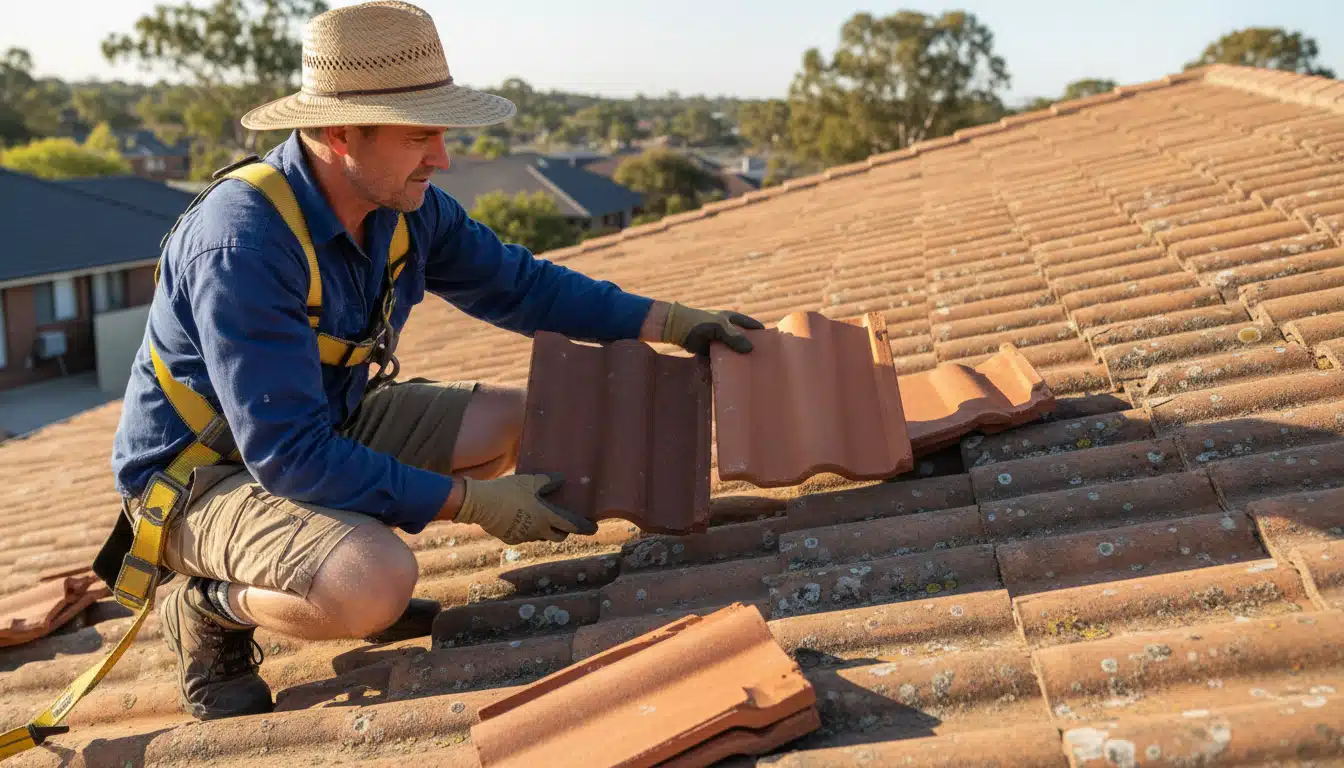
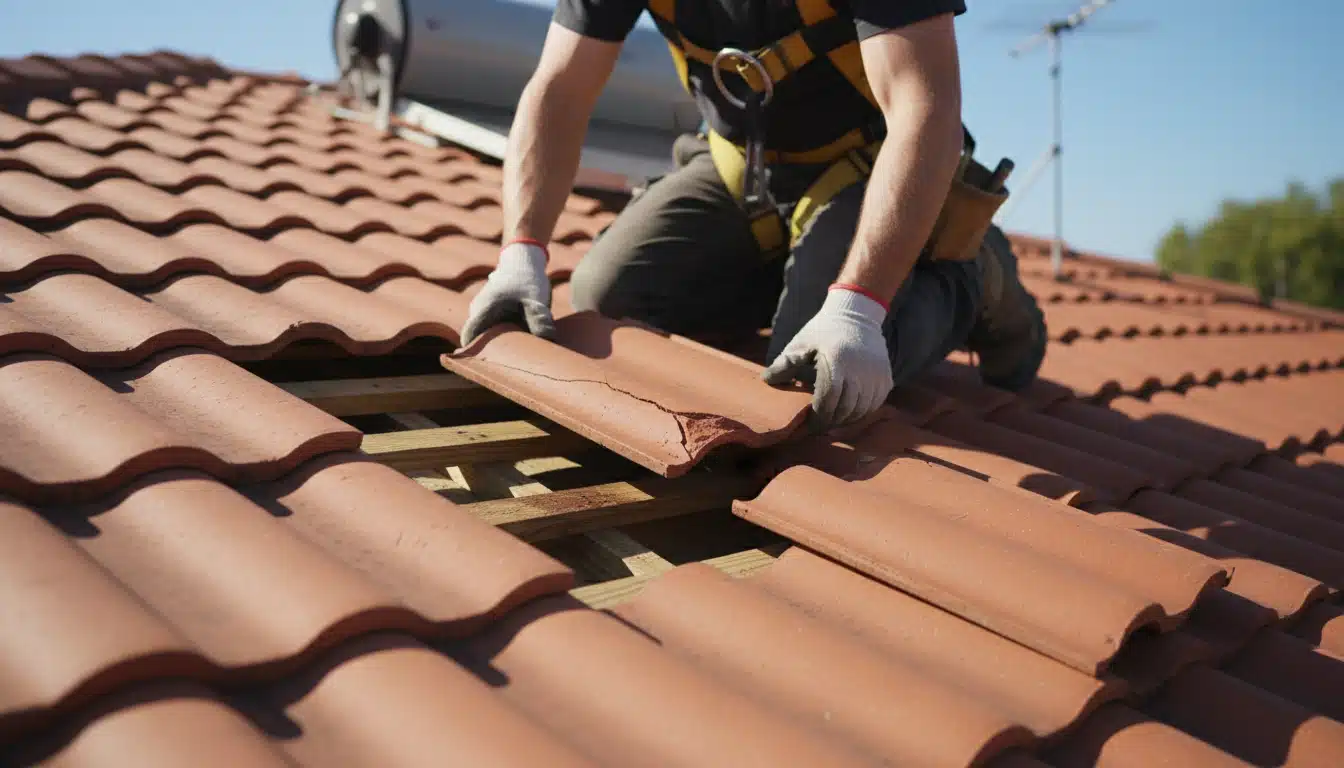
The separate spray coating team approach supports weather window management directly. The preparation team – handling structural repairs and tile roof repairs – can advance preliminary work during marginal weather. Once surfaces are prepared and conditions improve, the dedicated coating team can move rapidly through all three coats within the optimal weather window rather than being constrained by preparation work.
For strata roofing services with multiple buildings requiring coating, weather window planning becomes a logistics challenge alongside a technical one. Coordinating coating completion across multiple buildings while maintaining proper cure windows for each requires advance scheduling and flexibility that single-team operators struggle to provide.
The Cost of Ignoring Weather Requirements
Failed Applications and Their Cascading Costs
Budget-focused contractors sometimes proceed despite marginal weather conditions. When applications fail, the consequences extend beyond simple reapplication. The defective coating must first be removed – a process nearly as expensive as the original application. Then contractors must wait for another suitable weather window before starting fresh.
Beyond immediate costs, premature coating failure creates longer-term expenses that far exceed the original investment. A roof that should have delivered 15-20 years of protection requiring recoating within three to five years means the homeowner has effectively paid twice for protection that should have been delivered once.
Warranty and Insurance Implications
The roof coating warranty on Dulux Acratex systems specifically requires application within manufacturer-specified temperature and humidity ranges. Contractors who ignore these requirements void warranty protection regardless of product quality or application skill. When coating failures occur during the warranty period, manufacturers investigate whether application conditions met specifications – and applications during unsuitable weather cannot pass this investigation.
Insurance claims arising from coating failures often encounter coverage disputes when investigation reveals the coating was applied during conditions outside specification. The homeowner bears full financial responsibility for both the failed coating and any consequential roof damage.
Making Informed Decisions About Project Timing
Perth homeowners planning roof restoration should consider seasonal timing as a primary factor alongside budget and contractor selection. Projects scheduled for December-February completion typically proceed with minimal weather-related delays and produce coatings that cure under optimal conditions. Projects scheduled for June-August face extended timelines and elevated quality risk that even excellent contractors cannot fully eliminate through skill alone.
For urgent situations involving active leaks or significant structural damage, temporary roof repairs in Perth can address immediate problems while allowing complete restoration to wait for suitable weather windows. This staged approach balances urgency with quality outcomes – accepting that a temporary repair achieving six to twelve months of protection is more valuable than a permanent restoration compromised by marginal cure conditions.
For property owners considering complete roof restoration timing, the honest guidance is this: patience during the planning phase costs nothing and delivers results measurably better than projects rushed to meet arbitrary timelines during unsuitable weather.
Conclusion
The coating cure time required for roof restoration isn’t a contractor preference – it’s a chemical necessity that determines whether a Perth roof delivers decades of protection or fails within years. Roof coating weather window planning that accounts for temperature, humidity, rain forecasts, and the multi-coat cure cycle requirements represents the technical discipline that separates contractors delivering long-term value from those chasing short-term project completion.
Perth’s variable climate demands weather window planning sophisticated enough to distinguish between a Cottesloe rooftop at 8am and a Kalamunda rooftop at 2pm. That sophistication comes from experience, monitoring protocols, and the willingness to delay rather than compromise.
For expert roof restoration in Perth with weather-managed coating applications backed by 50+ years of experience, call (08) 9249 5955 to book your free roof inspection and discuss optimal project timing for your property.