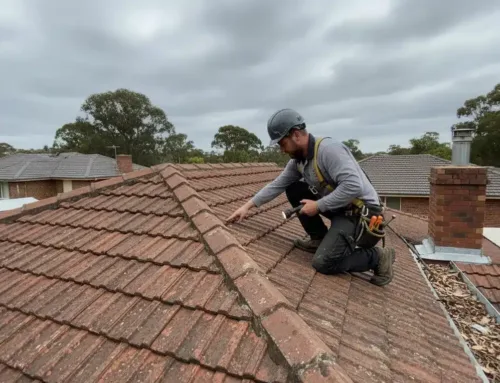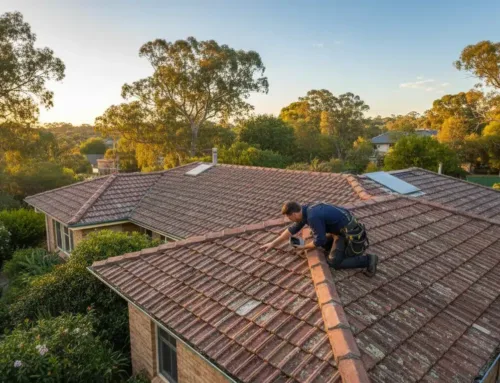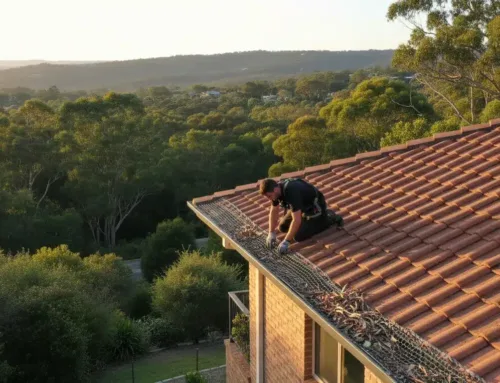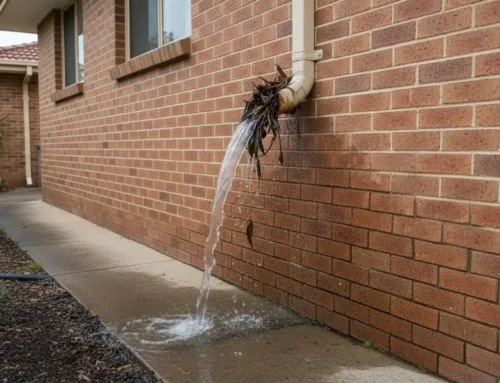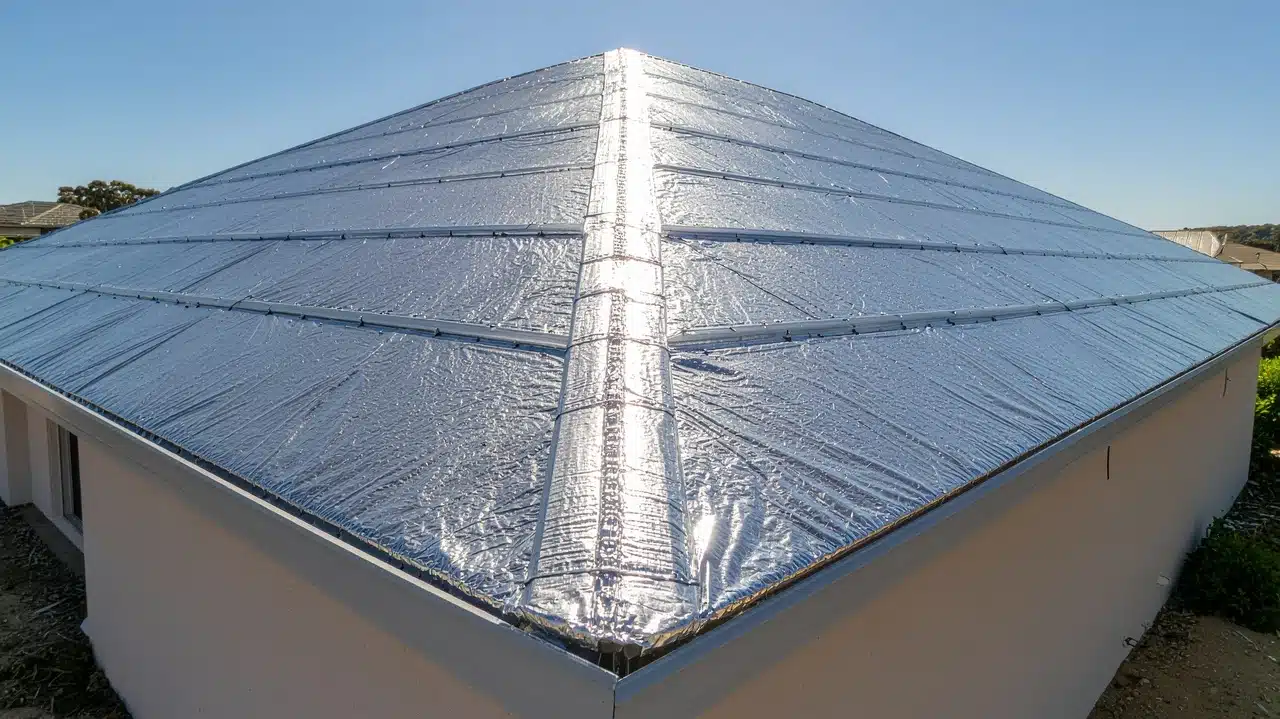
Perth’s hot summers place considerable demands on residential cooling systems, particularly in homes with poorly performing roof spaces. Solar radiation absorbed by roof materials can increase temperatures within the roof cavity, allowing heat to transfer towards the rooms below. During a roof replacement in Perth, upgrading the sarking provides an opportunity to improve the roof assembly’s resistance to heat and moisture.
Modern roof sarking installation can provide a reflective layer beneath the roof covering while also helping manage moisture that may enter the roof space. Depending on the product selected, sarking can combine reflective properties with water shedding and vapour management characteristics. Its performance depends on the product, installation method, roof design and whether an appropriate air space is maintained beside the reflective surface.
This makes sarking more than a simple replacement of an ageing underlay. When correctly specified and installed, a thermal radiant barrier can reduce radiant heat transfer from the roof covering into the roof cavity. This can complement ceiling insulation and contribute to a more comfortable indoor environment.
For homeowners considering roof sarking installation as part of a roof replacement in Perth, the key is to select a suitable product and install it according to the manufacturer’s requirements and the characteristics of the roof.
What Roof Sarking Actually Does
Sarking sits beneath the roof covering and forms part of the overall roof assembly. Its exact function depends on the type of product used. Some products are designed primarily as pliable building membranes, while reflective products can also reduce radiant heat transfer.
Reflecting Radiant Heat
A reflective sarking product can act as a thermal radiant barrier by reflecting a portion of infrared radiation away from the roof cavity. This is particularly relevant in Perth, where roof surfaces can receive substantial solar exposure during summer.
The effectiveness of a reflective surface depends on its emissivity, orientation and whether the surface faces an appropriate air space. A reflective surface pressed directly against another material does not provide the same radiant heat control as a reflective surface facing an air space.
This distinction is important when evaluating claims about roof sarking installation. The performance of a particular product cannot be reduced to a single percentage because the roof construction, air gaps, insulation, roof covering and installation quality all influence the final result.
Moisture and Weather Management
Sarking can also form part of the roof’s secondary weather protection. Depending on the membrane, it can help direct moisture away from vulnerable areas if water gets beneath the primary roof covering.
This is particularly useful where wind-driven rain can enter through gaps or joints in the roof covering. However, sarking should not be treated as a substitute for a properly installed and maintained roof covering. Tiles, metal sheets, flashings, valleys and drainage components still need to perform their intended functions.
Breathable membranes can also assist with vapour management, but not every sarking product has the same vapour permeability. Product specifications therefore need to be considered before installation.
Energy Performance Differences Between Sarking Types
Not all sarking provides the same thermal performance. Older roof assemblies may contain traditional building paper or non-reflective membranes, while modern products can incorporate highly reflective surfaces.
Building Paper Compared With Reflective Sarking
Traditional non-reflective membranes primarily provide weather protection and do not function as a reflective thermal radiant barrier in the same way as foil-faced or other reflective products.
Reflective sarking works differently. Its low-emissivity surface can reduce radiant heat transfer when it faces an appropriate air space. This can reduce the amount of radiant heat reaching other components of the roof cavity.
However, reflective sarking does not replace bulk insulation. Ceiling insulation and reflective sarking address different heat transfer mechanisms, so the best outcome usually comes from considering both as components of the overall roof design.
The actual improvement in energy performance varies between properties. Roof orientation, roof colour, roof material, ventilation, insulation levels, glazing and household cooling habits can all influence the result.
Homeowners replacing an ageing roof should therefore consider roof sarking installation as part of the broader roof specification rather than assuming that one membrane will deliver a predetermined reduction in electricity use.
For properties where the existing roof is deteriorating but remains suitable for restoration, a professional roof restoration service may provide an alternative to complete replacement. Whether restoration or replacement is appropriate depends on the roof’s existing condition and construction.
Installation Requirements During Roof Replacement
Professional roof sarking installation requires careful attention to the roof design and the manufacturer’s instructions. The installation method can vary according to whether the roof uses tiles or metal sheeting and according to the particular membrane selected.
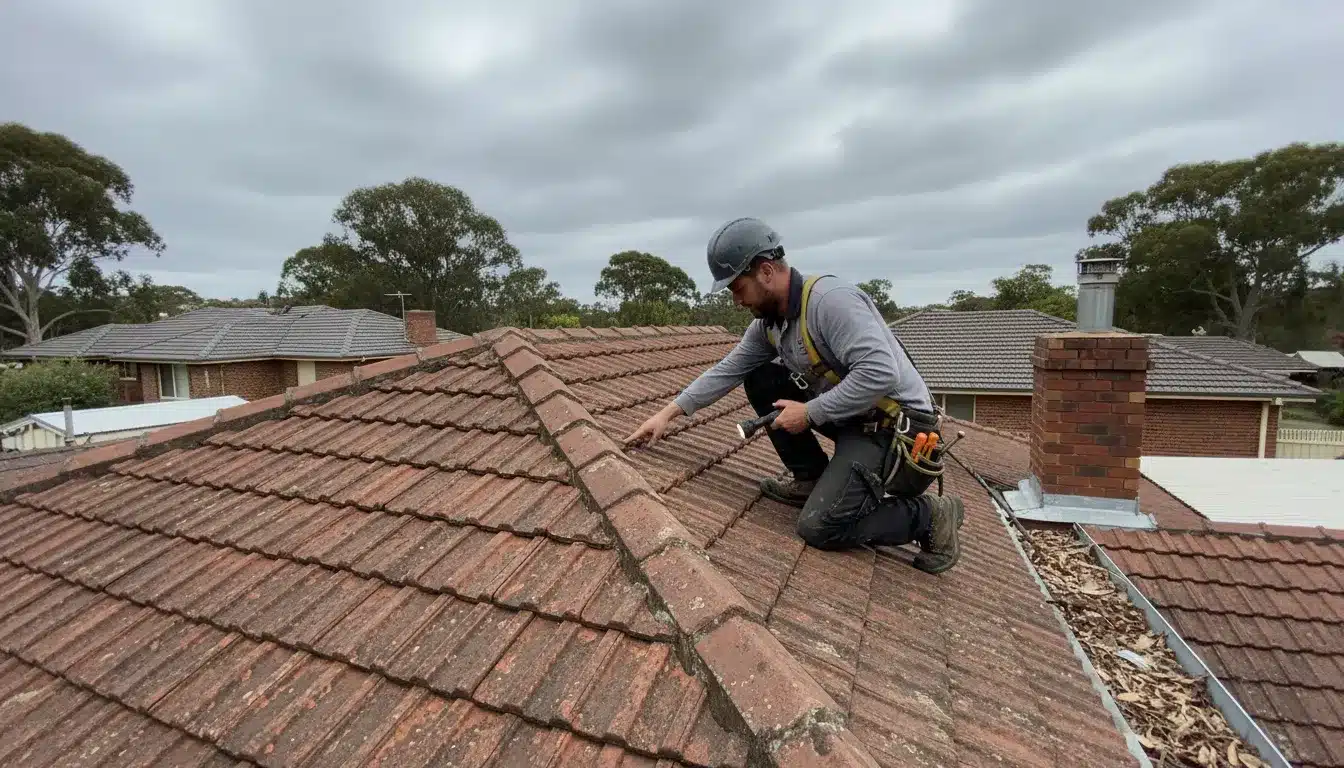
During a roof replacement in Perth, the existing roof covering can be removed to expose the underlying roof structure. This provides an opportunity to assess the condition of existing materials and install new sarking as part of the replacement roof assembly.
The membrane needs to be installed with appropriate laps, support and detailing around roof penetrations. Exact overlap dimensions, fixing methods and detailing should follow the requirements of the selected product rather than applying one measurement universally to every roof.
Reflective surfaces also need the appropriate air space to perform as intended. Simply installing reflective material somewhere within the roof cavity does not guarantee that it will operate effectively as a thermal radiant barrier.
Penetrations around vents, skylights and other roof components require careful detailing. Poorly treated penetrations can create pathways for water entry and compromise the overall performance of the roof system.
A professional installation should also account for ventilation. The required ventilation arrangement depends on the roof construction, membrane type and applicable requirements. It should not be assumed that every roof requires exactly the same ventilation configuration.
Cost Considerations and Energy Savings
The cost of adding sarking varies according to the roof size, roof design, product selected, access conditions and whether the work forms part of a larger roof replacement.
This makes fixed claims about a universal cost per square metre unreliable. A straightforward roof may require a different installation approach from a complex roof containing multiple valleys, penetrations, changes in pitch or difficult access.
The same applies to energy savings. A properly installed thermal radiant barrier can reduce radiant heat transfer, but the resulting reduction in household energy consumption depends on the entire building envelope and how the property is used.
There is no responsible basis for promising that roof sarking installation will reduce cooling costs by a fixed percentage or pay for itself within a predetermined period. Homes with poor existing insulation, extensive solar exposure or inefficient roof assemblies may experience different outcomes from properties that already have effective insulation and ventilation.
Sarking can nevertheless be a practical consideration when a roof is already being replaced because the roof covering is already being removed. Incorporating the membrane at this stage may avoid the difficulty of trying to retrofit it beneath an existing roof.
Where existing roof deterioration has already resulted in leaks, damaged tiles or other problems, targeted roof repairs in Perth may be appropriate where complete replacement is not yet necessary.
Integration With Ceiling Insulation
Sarking and ceiling insulation work together, but they should not be confused with one another.
Bulk insulation primarily slows conductive and convective heat transfer through the ceiling. A reflective sarking product addresses radiant heat transfer from the roof covering when its reflective surface faces an appropriate air space.
Using both approaches can provide a more comprehensive thermal strategy. The sarking can reduce radiant heat reaching the roof cavity while the ceiling insulation limits heat transfer between the roof space and occupied rooms.
This is why roof sarking installation should be considered alongside the existing insulation rather than as a standalone energy-efficiency measure.
The condition and coverage of ceiling insulation also matter. Gaps, compression, deterioration or insufficient coverage can reduce its effectiveness regardless of whether reflective sarking has been installed above it.
A roof replacement therefore provides an opportunity to assess the roof assembly as a whole. Rather than focusing on one component, homeowners can consider the roof covering, sarking, ventilation, insulation, drainage and flashing together.
For properties managed by multiple owners, the same principle applies. Roofing decisions need to account for the construction and condition of the shared building rather than treating each roof section as an isolated component. Permacoat also provides strata roofing services for strata-managed properties where coordinated roofing work is required.
Sarking Performance Across Perth’s Roof Types
Tile Roofs
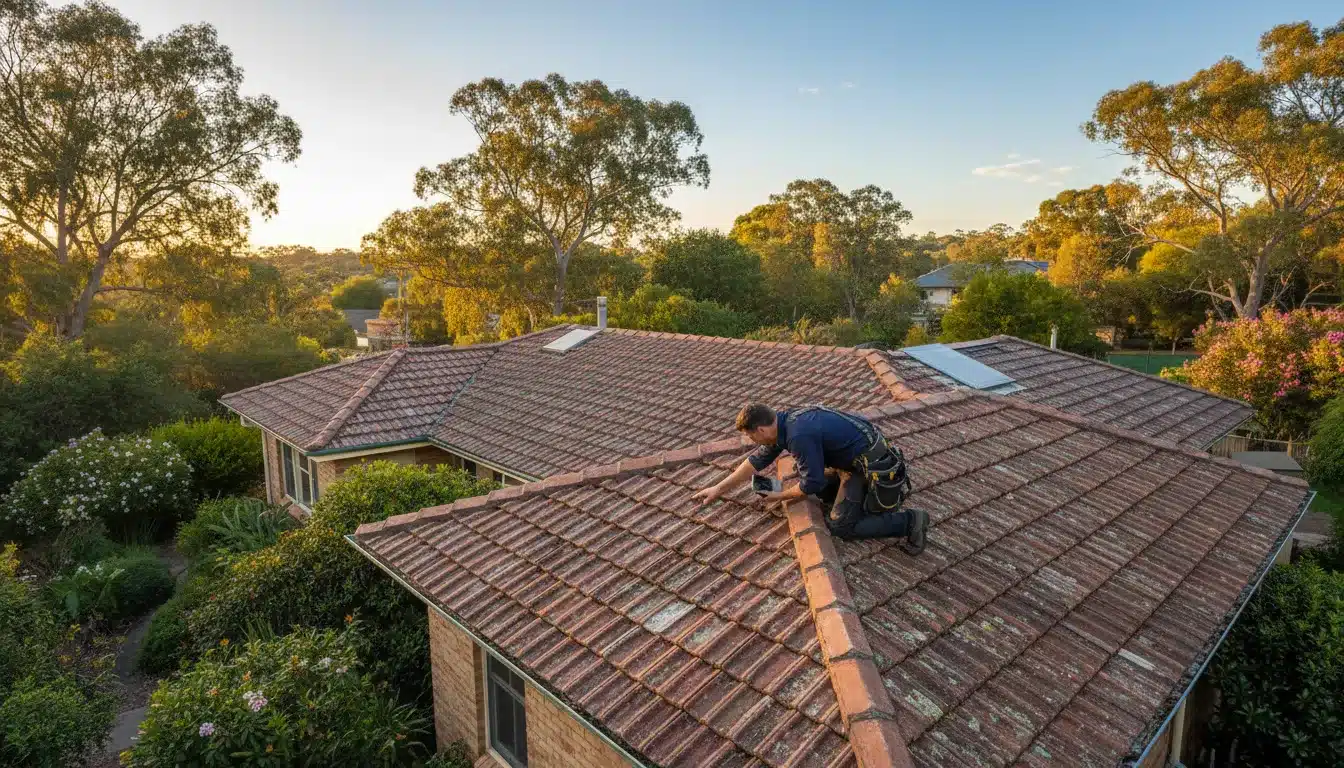
Tile roofs can benefit from reflective sarking because the roof covering is exposed to direct solar radiation. Terracotta and concrete tiles can become hot during summer, transferring heat into the roof space through a combination of conduction and radiation.
A reflective membrane installed beneath the tiles can reduce radiant heat transfer when correctly positioned. However, the magnitude of the improvement depends on the roof construction and the other thermal components already present.
Air movement within the roof cavity can also influence performance. Adequate ventilation helps manage heat and moisture, but ventilation requirements should be designed around the specific roof assembly.
Metal Roofing
Metal roofing responds quickly to solar exposure because metal sheeting can become very hot under direct sunlight. The roof assembly therefore needs to be considered carefully when improving thermal performance.
A suitable reflective thermal radiant barrier can reduce radiant heat transfer towards the roof cavity. Ceiling insulation and appropriate ventilation can provide additional thermal and moisture-management benefits.
The exact specification depends on the metal roofing system, roof geometry, membrane product and installation method. Counter battens or other components may be required in some systems, but they should not be treated as a universal requirement for every roof.
Reflective coatings can also form part of a broader roof performance strategy where suitable. They are separate from sarking and should be evaluated according to the existing roof material and coating system.
Ventilation and Condensation Control
Ventilation is an important consideration when installing sarking because roof spaces need appropriate management of heat and moisture.
A common misconception is that reflective sarking itself causes condensation. In reality, condensation risk depends on moisture movement, temperature differences, ventilation, vapour permeability and the construction of the roof assembly.
Some membranes are vapour permeable, while others have different vapour control characteristics. The selected product therefore needs to be compatible with the roof design.
Ventilation openings, where required, should be appropriately designed and protected against pests and weather entry. The exact arrangement may include ventilation at eaves, ridges or other locations depending on the roof configuration.
Poor detailing can undermine otherwise good roof sarking installation. Water entry, trapped moisture or inadequate ventilation can create problems that are unrelated to the reflective performance of the membrane itself.
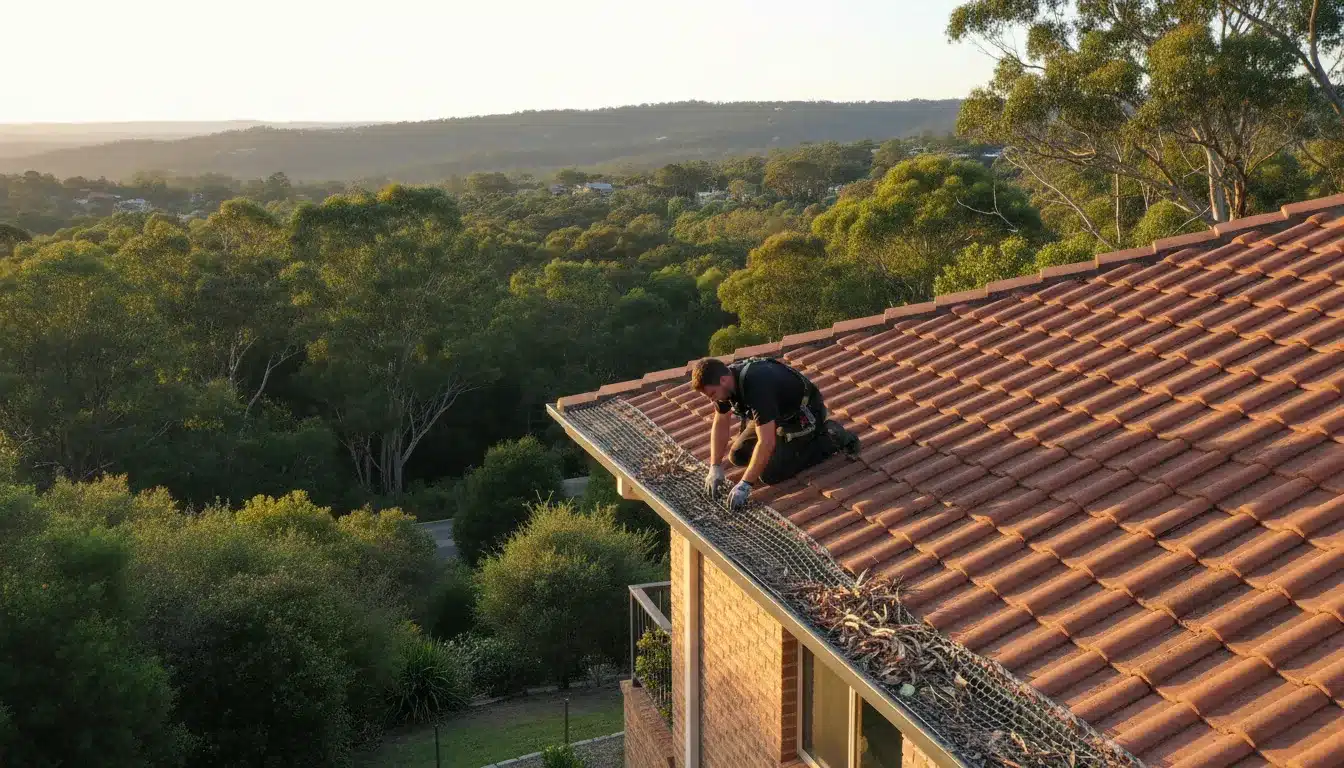
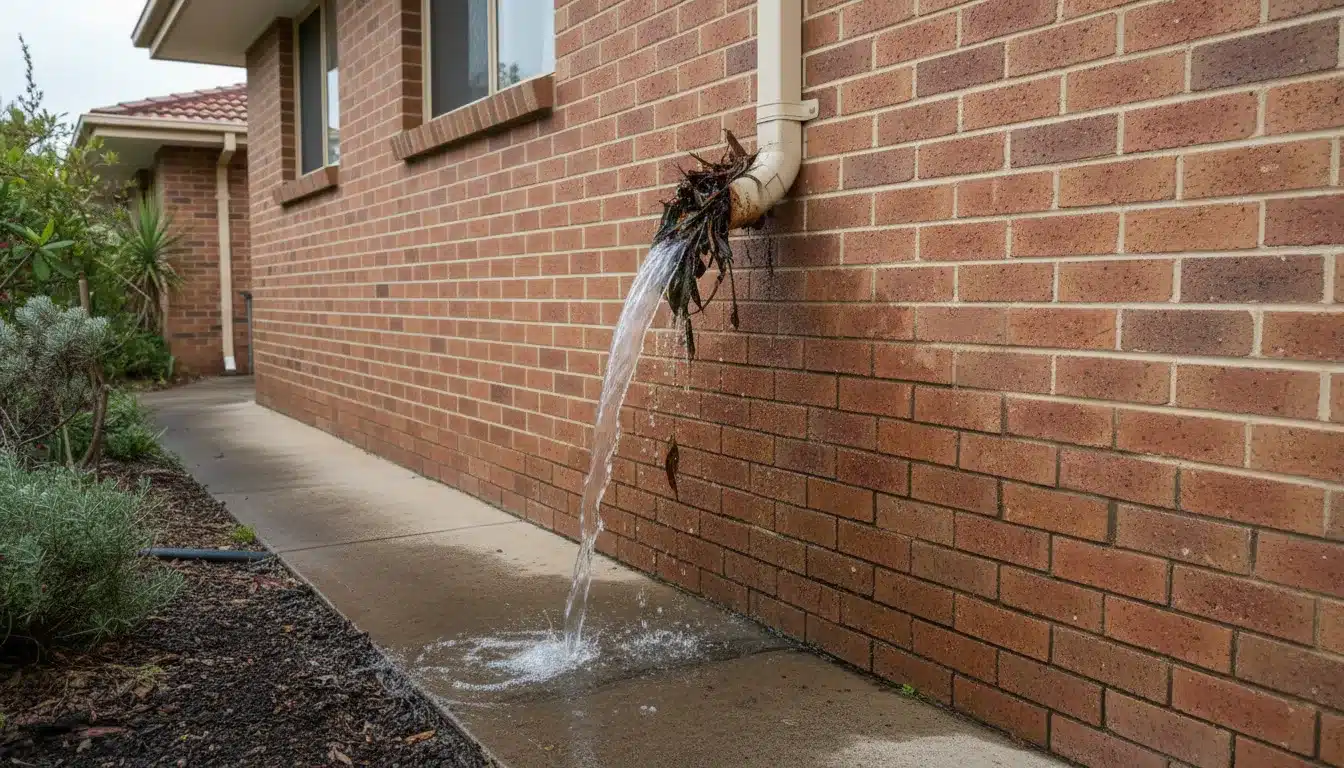
Drainage should also be considered as part of the wider roof system. Damaged or undersized gutters can allow water to overflow towards roof edges and surrounding building components. Where drainage components require attention during a roofing project, gutter and downpipe replacement can be considered as part of the overall work.
Selecting Quality Sarking Products
Choosing sarking should begin with the roof’s actual requirements rather than a generic performance claim.
Homeowners should consider the product’s intended application, thermal characteristics, water resistance, vapour properties, durability and installation requirements. The membrane should be compatible with the roof covering and installed according to the manufacturer’s instructions.
Reflective products should also be assessed according to their emissivity and the conditions under which the manufacturer states their thermal performance. A product’s headline reflectivity figure does not necessarily represent the performance of an entire roof assembly.
UV exposure is another consideration during installation. Sarking can be exposed to sunlight during construction before the roof covering is installed, so the product’s permitted exposure period should be observed.
Product selection should also account for roof type, climate, ventilation and the presence of ceiling insulation. A suitable membrane for one roof may not necessarily be the right choice for another.
When the existing roof has reached the point where replacement is more appropriate than restoration, re-roofing in Perth provides an opportunity to replace ageing roof components and incorporate modern materials into the new roof assembly.
Why Roof Replacement Is an Opportunity to Upgrade Sarking
Retrofitting sarking beneath an existing roof can be difficult because the roof covering and other components may already be installed. Complete roof replacement provides much easier access to the roof structure.
Once the old roofing materials have been removed, the underlying assembly can be assessed before the new roof is installed. This creates an opportunity to address damaged components, improve detailing and install a suitable sarking product as part of the new system.
The same process can also allow other roof components to be reviewed. Flashings, battens, ventilation arrangements, drainage and insulation can all influence the performance of the completed roof.
This is why roof sarking installation should be discussed before work begins rather than treated as an afterthought. The appropriate membrane, installation method and ventilation strategy can be incorporated into the overall roof design.
For homeowners considering their options, Permacoat can assess the existing roof and discuss whether restoration, repairs or re-roofing is appropriate for the property.
Conclusion
Modern sarking can make a useful contribution to roof performance when it is correctly selected and installed. A reflective membrane can act as a thermal radiant barrier, reducing radiant heat transfer across an appropriate air space, while suitable sarking products can also contribute to moisture management within the roof assembly.
The benefits should be considered realistically. Sarking does not replace ceiling insulation, guarantee a specific reduction in energy bills or deliver identical results in every property. Roof design, ventilation, insulation, roof covering and installation quality all influence the outcome.
For homeowners planning a roof replacement in Perth, roof sarking installation is worth considering while the existing roof is already being removed. Integrating the membrane into the new roof assembly can provide an opportunity to improve thermal and moisture management without attempting a more disruptive retrofit later.
A properly specified thermal radiant barrier is one part of a broader roof strategy designed around the property’s construction and local conditions. For advice about your roofing options and whether sarking is suitable for your property, Call (08) 9249 5955.