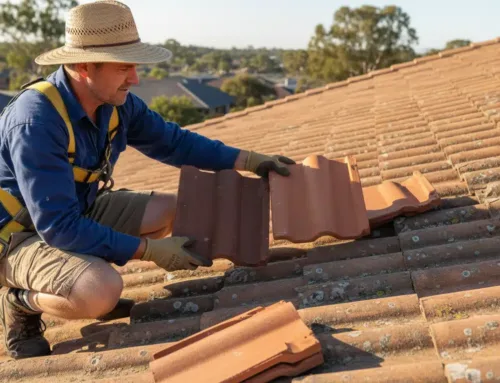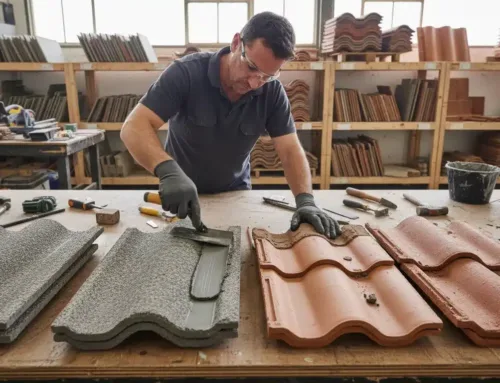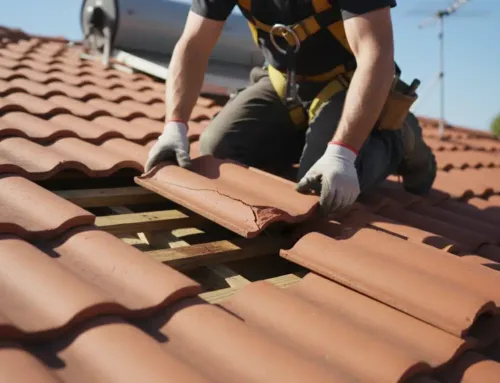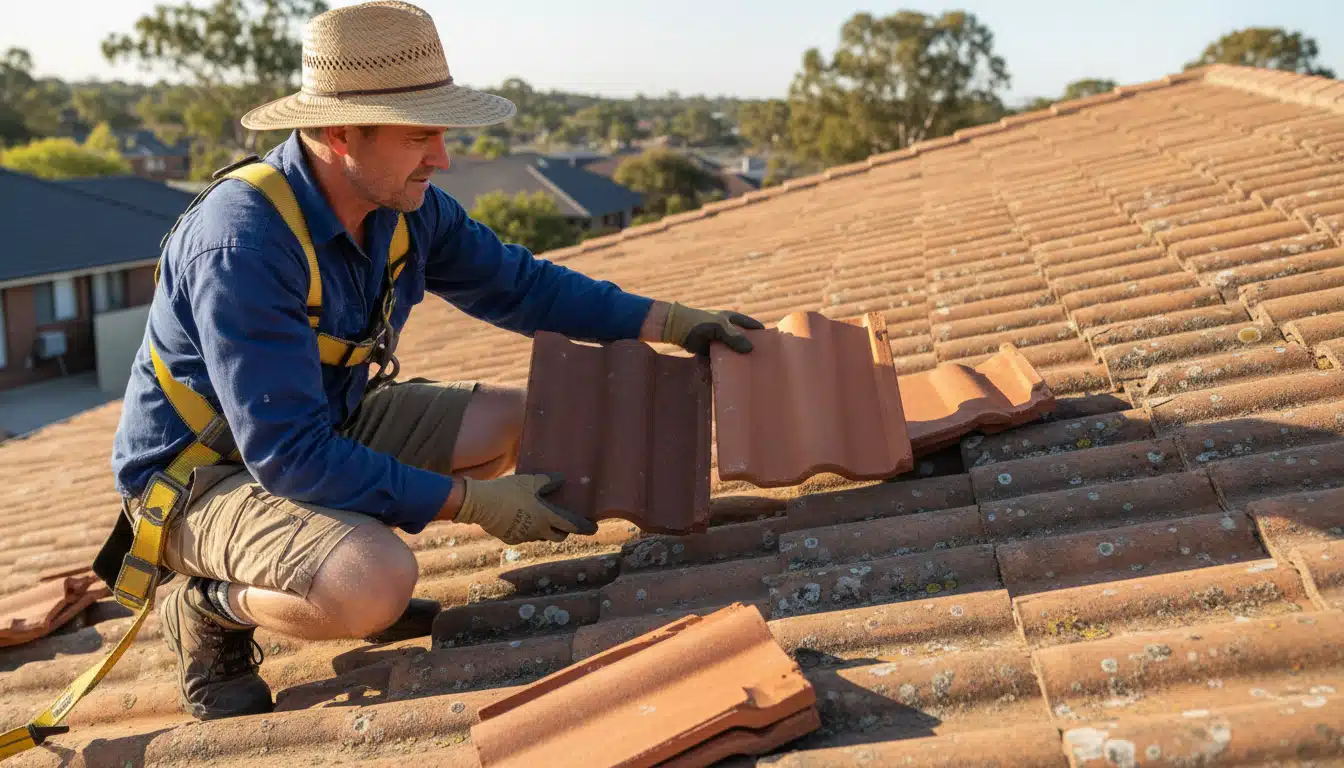
Perth’s summer sun delivers more than heat. It creates a thermal battlefield where roofing materials face expansion, contraction, and UV bombardment that would destroy rigid systems within months. When temperatures swing from 15°C winter mornings to 45°C summer afternoons, roof membranes don’t just need to survive – they need to move, flex, and return to their original form thousands of times without cracking.
The difference between a membrane that lasts 15 years and one that fails in five comes down to molecular engineering. Understanding how polymer chains respond to Western Australia’s unique thermal stress patterns – particularly the rapid temperature shifts that define Perth’s Mediterranean climate – is what separates coating systems that protect for decades from those that fail before their time.
What Makes a Roof Membrane Truly Elastic
The Molecular Memory Principle
True elasticity in roofing membranes isn’t about being stretchy. It’s about molecular memory.
When a quality flexible roof membrane expands in heat and contracts in cold, its polymer chains should return to their original configuration without permanent deformation. This property – called elastic recovery – determines whether a roof coating lasts two decades or starts cracking after the first Perth summer.
Premium acrylic polymers used in professional roof coating systems are engineered with specific molecular weights and cross-linking patterns. These aren’t random formulations. They’re designed to maintain flexibility across temperature ranges from -5°C to 70°C – which covers the surface temperatures Perth roofs actually experience through every season.
Why Standard Paint Fails on Perth Roofs
Standard house paint might claim to be flexible, but its polymer chains are optimised for vertical surfaces with minimal thermal movement.
Apply that same chemistry to a roof in Mandurah or Rockingham, and micro-cracking appears within 18 months. The substrate expands and contracts beneath a coating that simply cannot keep pace. What looks acceptable on day one becomes a network of hairline cracks by year two – and a leak pathway by year three.
The distinction matters because roof surfaces experience far more thermal stress than walls. A north-facing roof in Perth can reach 65°C on a January afternoon. That same surface cools to 20°C by midnight. No standard paint system is engineered to handle that cycle, repeated daily for years.
The Thermal Expansion Challenge in Perth
Metal, Tile, and the Numbers Behind Movement
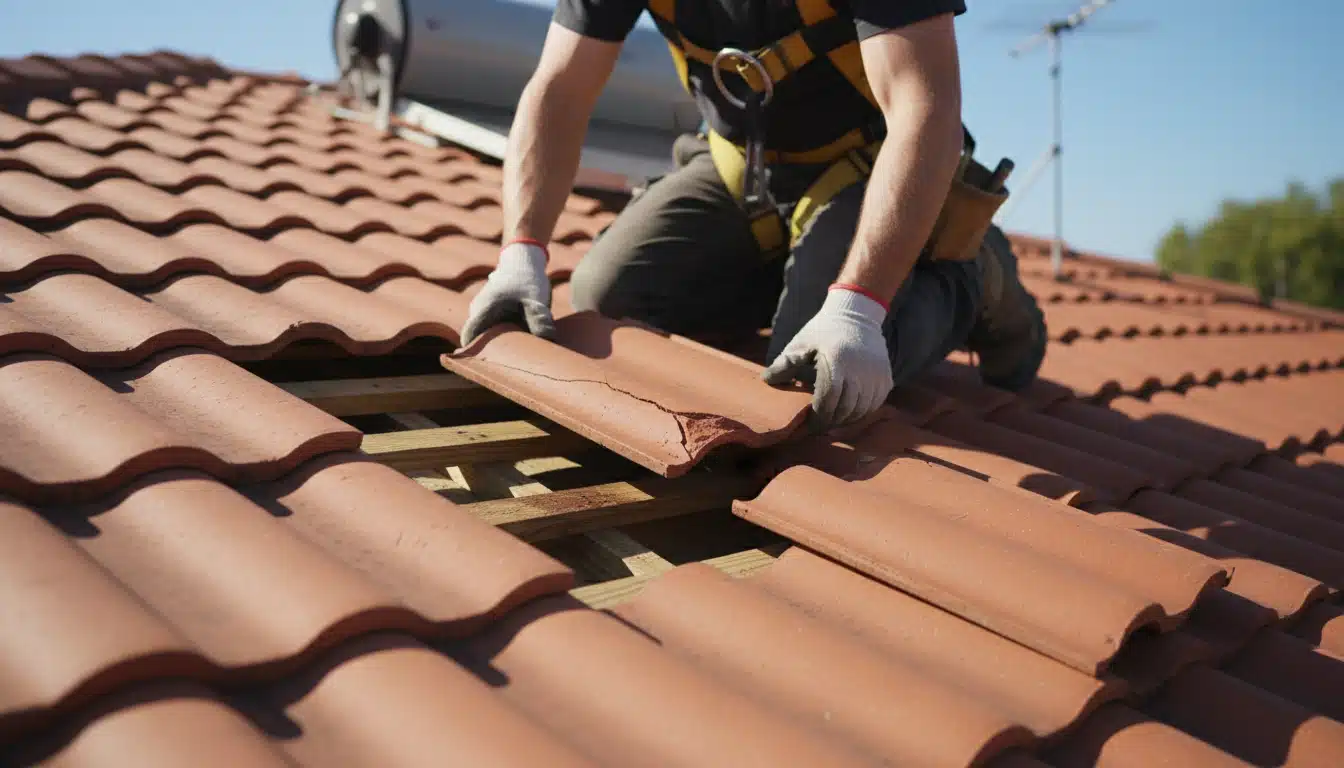
Metal roofing materials expand approximately 1.2mm per metre for every 10°C temperature increase. On a 10-metre Colorbond roof, that translates to 14mm of movement when surface temperatures climb from morning cool to afternoon peak. Concrete and terracotta tiles expand less dramatically but still shift enough to crack rigid coatings applied without appropriate flexibility.
These aren’t worst-case scenarios. They’re the normal operating conditions Perth roofs experience every summer.
Coastal Salt and Rapid Thermal Shock
Coastal suburbs face an additional challenge. Salt-laden air accelerates UV degradation of polymer chains, reducing elasticity faster than inland properties experience. A roof in Fremantle or Cottesloe needs membrane chemistry that resists both thermal cycling and atmospheric salt exposure – requirements that generic roof paints don’t address.
The science becomes critical during Perth’s shoulder seasons when overnight temperatures drop rapidly. A roof baking at 60°C all afternoon might cool to 25°C within two hours after sunset. This thermal shock creates contraction stress that rigid membranes handle poorly. Hairline cracks form, and those cracks become the leak pathways that cause damage during Perth’s winter rains between June and August.
How Polymer Chemistry Determines Longevity
Glass Transition Temperature and Why It Matters
Acrylic polymers contain long-chain molecules that slide past each other when stressed, then return to position when stress releases. This molecular mobility depends on the glass transition temperature (Tg) – the point where polymers shift from rigid to flexible states.
Quality flexible roof membrane systems maintain a Tg well below Perth’s minimum temperatures, ensuring the coating never enters a brittle state. Cheap alternatives use polymers with higher Tg values to reduce manufacturing costs, creating membranes that become rigid and crack-prone during cooler months – precisely when winter rainfall tests waterproofing performance.
Cross-Linking Density: Finding the Balance
Cross-linking density matters equally in determining long-term performance.
Too much cross-linking creates a rigid network that cannot accommodate substrate movement. Too little produces a soft coating that degrades quickly under UV exposure. Premium formulations balance these factors through controlled polymerisation chemistry – creating optimal elasticity without sacrificing durability.
This balance is why not all “flexible” coatings perform equally. A membrane might flex beautifully at 20°C but become brittle at 5°C or lose cohesion at 60°C. Perth roofs experience both extremes seasonally.
How the Three-Coat System Serves Elasticity
The three-coat application system works because each layer serves a specific purpose in the elasticity equation.
The primer sealer penetrates substrate pores, creating a flexible foundation that moves with the roof material beneath. The first topcoat builds membrane thickness while maintaining the molecular mobility needed for thermal cycling performance. The second topcoat delivers UV protection, colour consistency, and the final protective barrier that determines coating longevity.
Skipping or combining these steps doesn’t save money – it destroys the engineered performance the system was designed to deliver.
UV Degradation and Elasticity Loss
WA’s UV Index and What It Does to Polymer Chains
Western Australia’s UV index regularly exceeds 11 during summer months – extreme by global standards. UV radiation breaks polymer chains through a process called photodegradation, gradually destroying the molecular structures that provide elasticity. This isn’t theoretical chemistry. It’s the reason budget roof paints crack and peel within five years of application.
For Perth homeowners, this UV reality means coating chemistry matters more than it does almost anywhere else in Australia. A product performing adequately in Melbourne’s climate may fail rapidly under WA’s UV intensity.
How Premium Coatings Fight UV Damage
Premium acrylic roof coatings incorporate UV stabilisers and light-fast pigments that absorb or reflect UV energy before it reaches vulnerable polymer chains.
Titanium dioxide pigments, for example, scatter UV radiation while providing bright white or light colours that reduce heat absorption. This dual function explains why roof painting services in lighter colours consistently deliver longer coating lifespans than darker alternatives – particularly in Perth’s high-UV environment.
The Predictable Stages of Coating Degradation
The degradation pattern follows predictable stages that homeowners can recognise.
First, surface gloss diminishes as UV breaks down exposed polymer chains. Next, micro-cracking appears in high-stress areas where thermal movement concentrates – typically valleys, ridges, and penetration points. Finally, the membrane loses adhesion and begins delaminating from the substrate. Quality systems delay this progression by decades rather than years. Budget systems accelerate through these stages faster than most homeowners anticipate.
Substrate Movement Patterns Across Roof Types
Different roofing materials create different movement challenges. Terracotta tiles expand and contract differently than cement tiles, which behave differently again from Colorbond metal. A flexible roof membrane must accommodate these varying patterns without losing adhesion or developing stress cracks.
Metal Roofing: The Most Demanding Substrate
Steel and aluminium have high thermal conductivity, meaning they heat and cool rapidly. The membrane coating these surfaces must stretch and compress in sync with rapid temperature changes – a requirement that eliminates most standard paint systems from consideration.
For Perth homes with Colorbond roofing, coating selection is particularly critical. The dramatic daily temperature cycles that characterise WA summers subject metal substrates to more thermal stress than almost any other Australian climate zone.
Tile Roofs: Thermal and Moisture Movement Combined
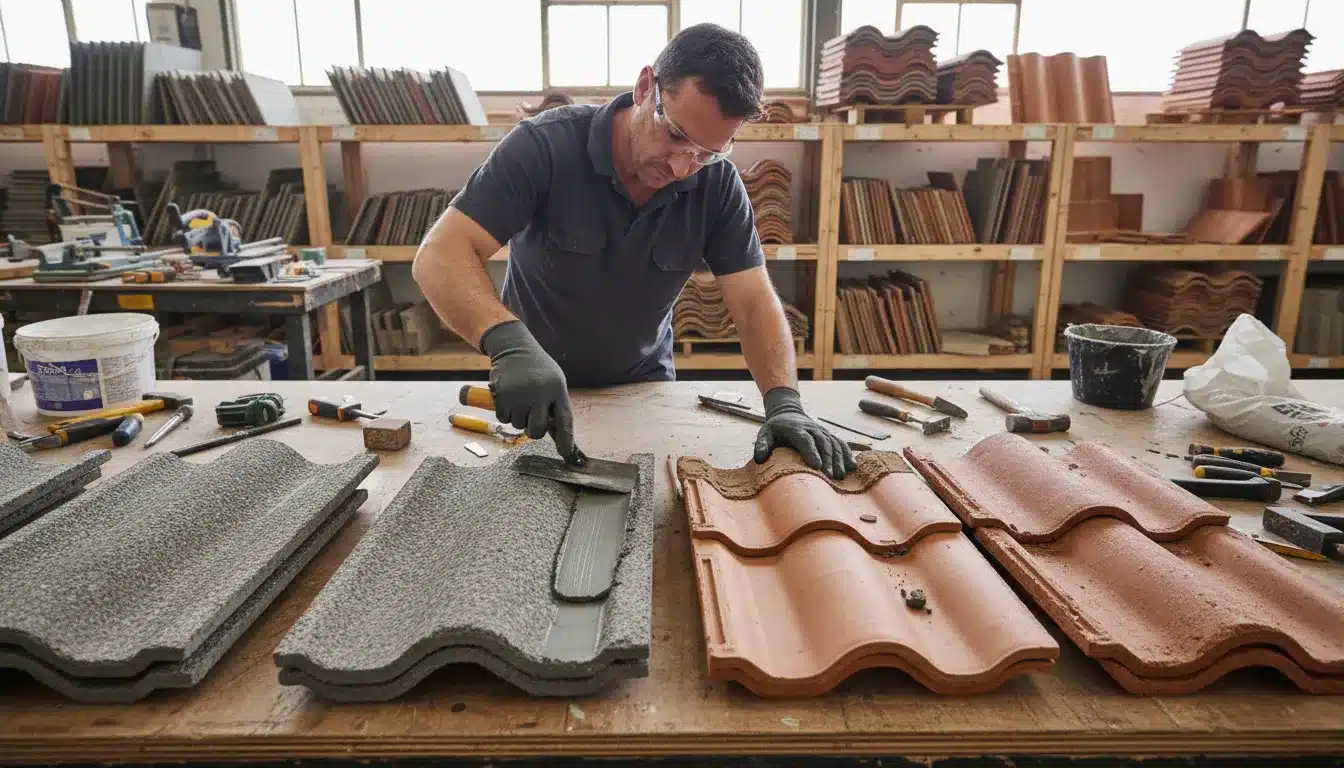
Concrete and cement tiles present different challenges. These materials absorb moisture, creating dimensional changes beyond thermal expansion alone. A quality tile roof restoration system accounts for both thermal and hygroscopic movement, using primers that penetrate deep enough to create flexible bonds accommodating multi-directional stress.
This is why preparation matters as much as the coating system itself. A primer that doesn’t penetrate deeply enough into porous tile surfaces cannot create the flexible bond that long-term performance requires.
Salt Cycling in Coastal Properties
Coastal properties face accelerated movement cycles. Salt crystallisation within porous tile substrates creates additional expansion pressure as salt absorbs atmospheric moisture. This phenomenon – called salt cycling – demands membrane systems with superior elasticity and adhesion strength. It’s precisely what separates professional restoration from DIY attempts in Perth’s western suburbs.
The Role of Film Thickness in Flexibility
Why Thickness Needs to Be Precise
Membrane thickness directly affects flexibility performance, but the relationship isn’t linear. Too thin, and the coating cannot bridge substrate cracks or accommodate significant movement. Too thick, and internal stresses during curing create brittleness.
Professional application achieves optimal film thickness through spray equipment calibrated for specific coating viscosities. This approach builds total membrane depth to 200-300 microns – thick enough for durability, thin enough for maintained flexibility throughout the coating’s service life.
Why Amateur Application Falls Short
Amateur applications frequently fail because brush or roller techniques cannot achieve uniform thickness.
Thick spots become stress concentration points during thermal cycling. Thin areas offer inadequate protection. The result looks acceptable initially but develops performance problems within months – not years. Professional roof cleaning and surface preparation before application is equally critical. Contaminants like moss, lichen, algae, and oxidised coating residue prevent proper adhesion, creating weak points where the membrane cannot move in sync with the substrate beneath it.
Temperature Cycling and Real-World Performance
What Laboratory Testing Reveals
Laboratory testing reveals how flexible roof membrane systems respond to accelerated aging. Quality acrylic systems maintain over 90% elastic recovery after 1,000 thermal cycles between -10°C and 80°C. Budget alternatives show significant degradation after just 200 cycles, with elastic recovery dropping below 60%.
These aren’t just impressive numbers. They directly predict which systems will still be protecting Perth homes after 15 years – and which will require replacement at the seven-year mark.
Perth Field Performance
Field performance in Perth conditions aligns with laboratory predictions.
Permacoat, WA’s longest-serving roof restoration company with 50+ years of experience and 30,000+ roofs restored across Perth, has observed these patterns across thousands of projects. Roofs restored with premium Dulux Acratex coating systems 15 years ago still show excellent membrane integrity, with minimal cracking even in high-stress areas like ridge caps and valleys.
This longevity validates the chemistry behind modern acrylic roof coatings – and explains why the gap between premium and budget systems is measured not in years, but in decades.
Coastal vs Inland Performance Differences
Salt exposure accelerates UV degradation through photochemical reactions that don’t occur in inland environments. Coastal roofs in suburbs like Scarborough, Hillarys, or Safety Bay experience elasticity loss 30-40% faster than identical systems applied in Midland or Ellenbrook.
This performance gap explains why coastal Perth properties benefit from premium coating systems with enhanced UV stabilisation and salt resistance. The additional cost represents genuine insurance against accelerated degradation – extending coating service life from 12 years to 18+ years in harsh marine environments.
The flexible roof membrane must accommodate the combined loading of thermal stress and salt cycling without losing adhesion or developing cracks. This demanding specification eliminates budget coating options from serious consideration for coastal properties.
The Economics of Membrane Elasticity
Total Cost Over Coating Lifespan
Comparing coating systems purely on initial cost ignores the economic impact of elasticity differences. A budget system requiring replacement after seven years delivers worse value than a premium system lasting 18 years. When maintenance cycles and property value factors are included, the mathematics consistently favour quality.
Annual cost calculations tell the real story. Premium systems spread their investment over 18 years. Budget systems demand re-coating at seven – with all the disruption, scaffolding, and labour costs that involves.
Secondary Costs of Coating Failure
Failed coatings create secondary costs beyond replacement.
Water penetration through cracked membranes damages ceiling insulation, promotes timber rot, and can necessitate roof repairs in Perth addressing problems that proper membrane elasticity would have prevented entirely. These consequential costs often exceed the original coating investment. A roof showing obvious failure – cracking, peeling, colour fade – also signals deferred maintenance to potential buyers, affecting property value and sale timelines.
Warranty Coverage and Elasticity Performance
The 15-20 year coating warranty available on Dulux Acratex systems reflects genuine confidence in the underlying polymer chemistry and elasticity performance. These aren’t marketing claims – they’re contractual obligations backed by decades of field performance data from Perth’s challenging climate.
The warranty specifically covers coating integrity, including cracking, peeling, and delamination – failures directly related to inadequate elasticity. Budget coating companies offer 5-7 year warranties because their products cannot reliably perform longer. The chemistry simply doesn’t support extended elasticity under WA conditions. Premium systems warrant 15-20 years because the polymer engineering delivers proven durability through thousands of thermal cycles.
Comparing warranty terms is one of the most reliable ways to understand the real quality difference between coating systems before a single tile is cleaned.
Conclusion
The science behind flexible roof membrane performance isn’t abstract chemistry. It’s practical engineering that determines whether a Perth roof coating survives WA’s thermal extremes or fails within years.
Polymer chain mobility, UV stabilisation, cross-linking density, and glass transition temperatures directly influence how membranes respond to the daily expansion and contraction cycles that define Western Australian roofing conditions. Quality matters because molecular engineering cannot be retrofitted. Once a coating loses elasticity through UV degradation or thermal fatigue, no maintenance restores the polymer chain integrity that provides flexibility.
For expert roof restoration in Perth backed by 50+ years of experience, call (08) 9249 5955 to book your free inspection.