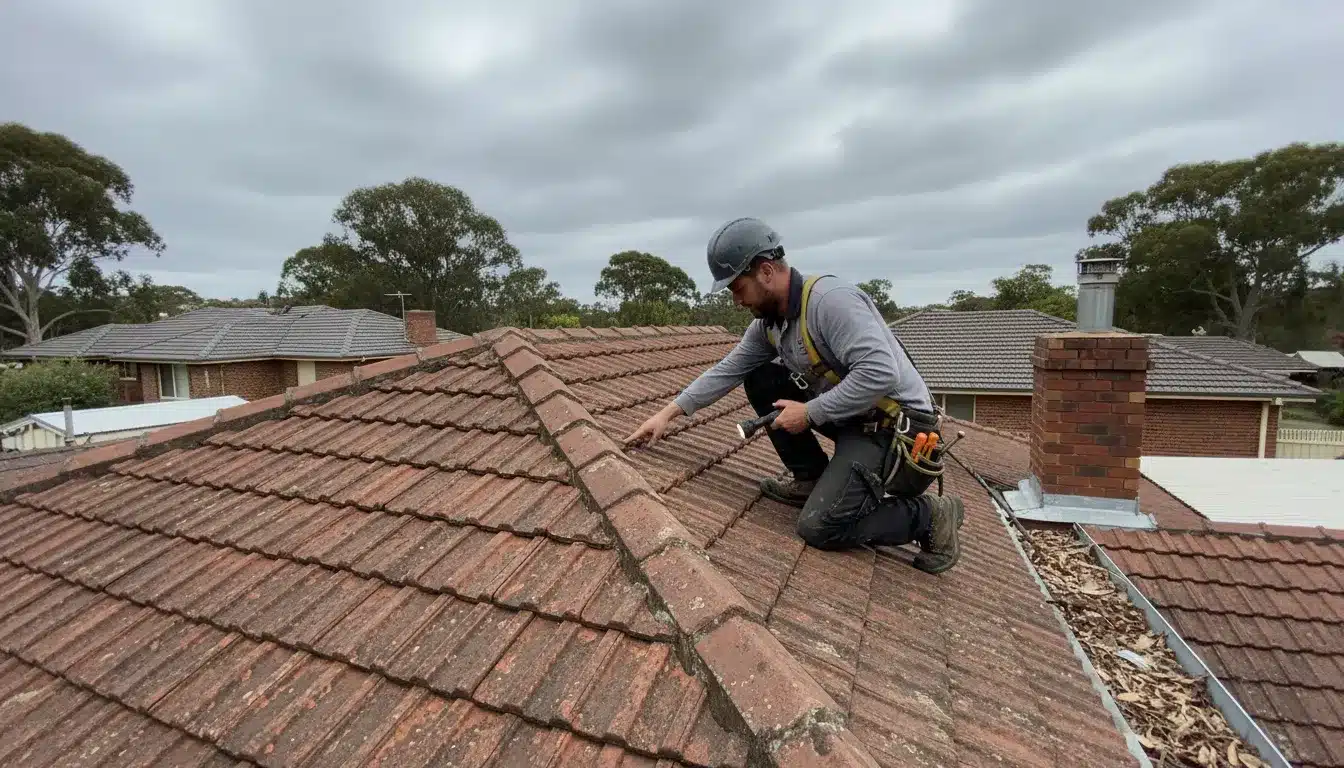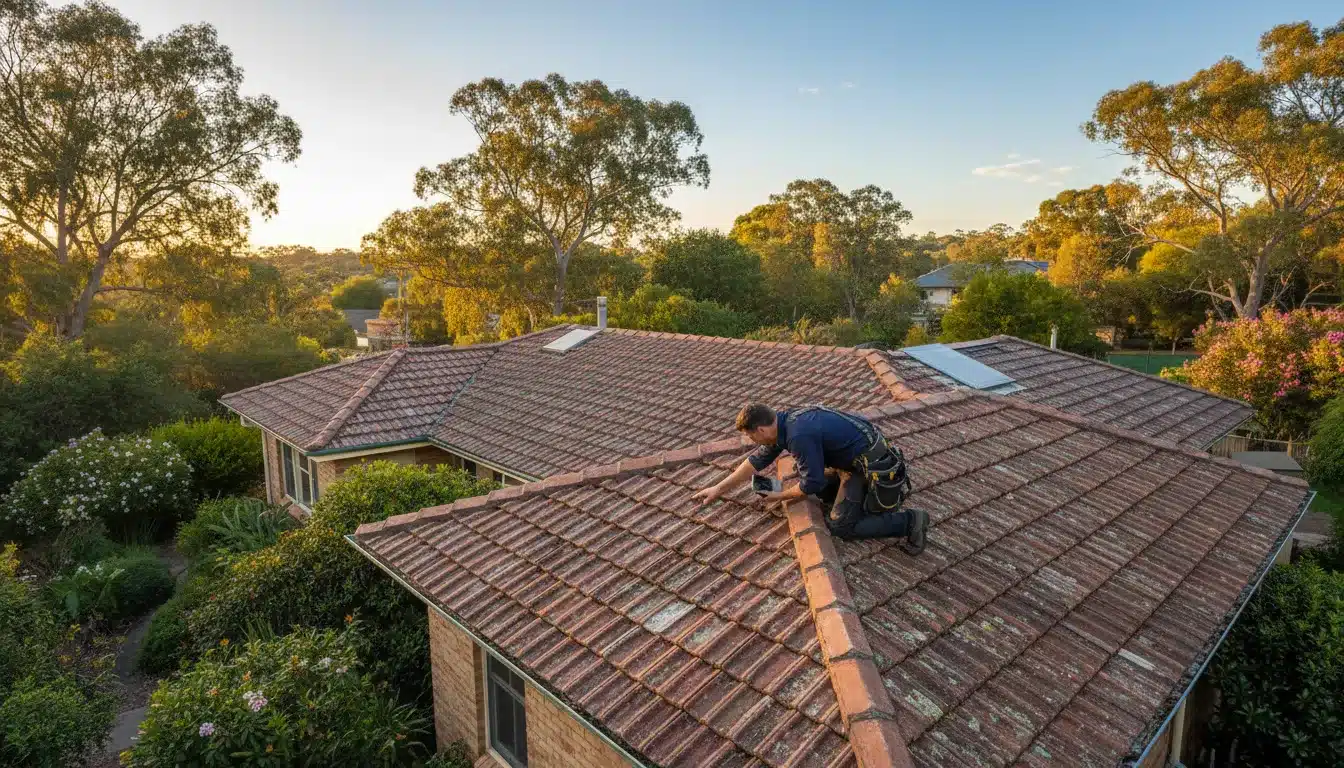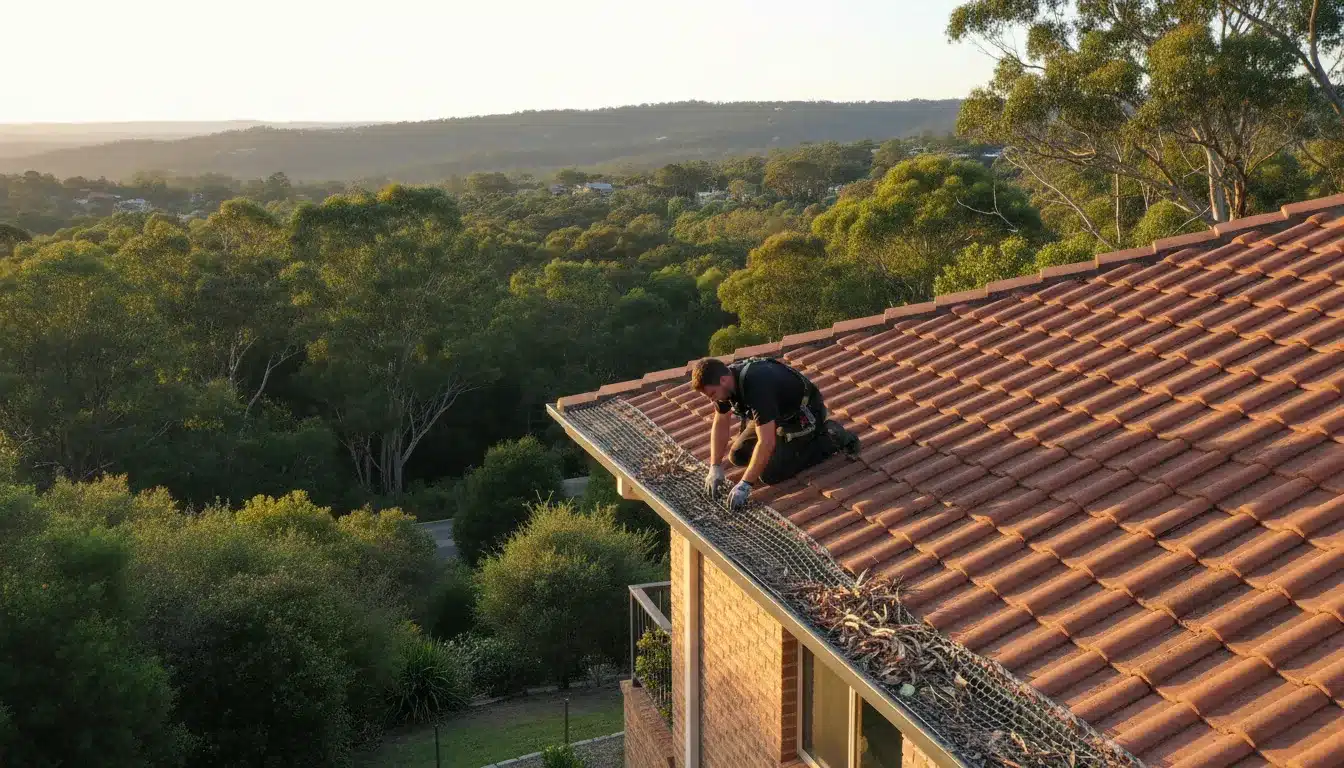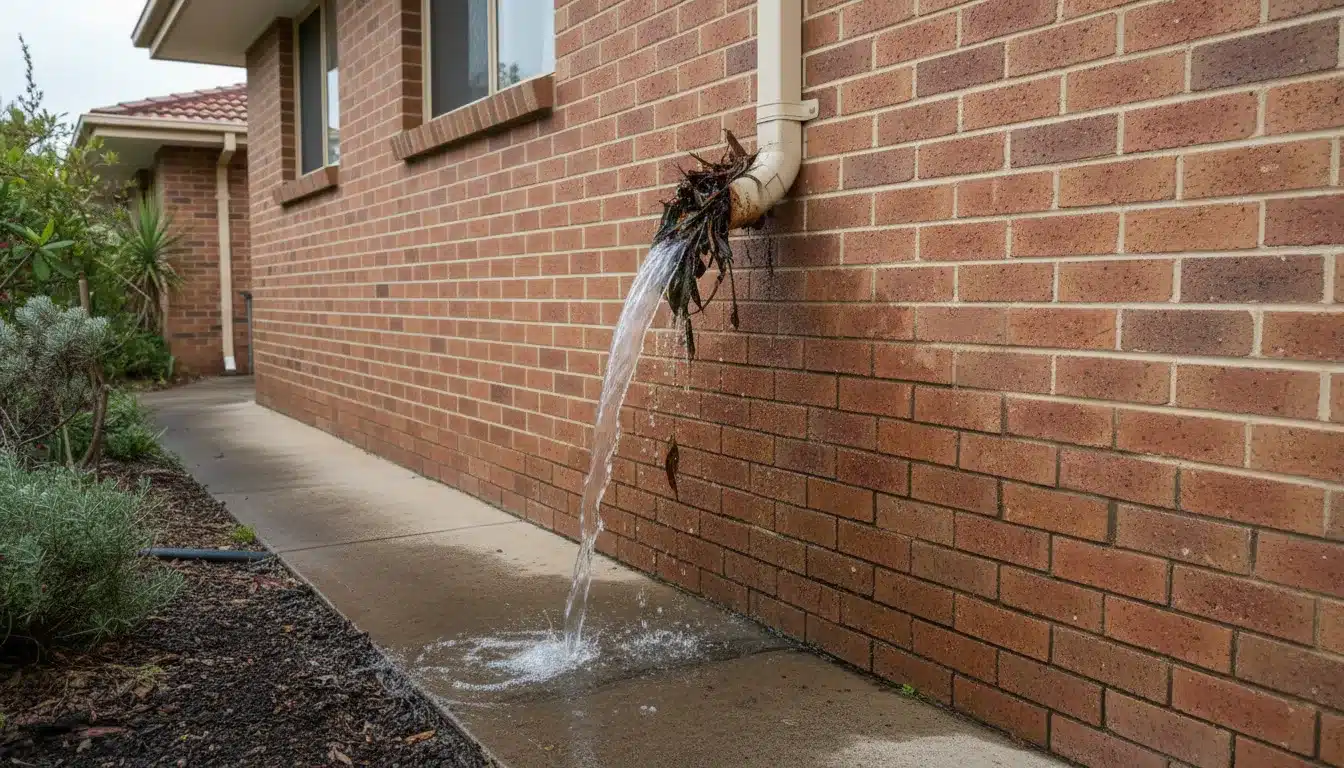
Perth homeowners spend an average of $2,000-3,000 annually on energy bills, with cooling costs dominating summer months when temperatures regularly exceed 35°C. What most don’t realise is that the roof – representing 35-40% of a home’s total heat gain – directly impacts these costs. A deteriorated roof coating absorbs significantly more heat than a properly restored surface, forcing air conditioning systems to work harder and consume more electricity.
Roof restoration energy savings address this issue by applying reflective coating systems specifically engineered to reduce heat absorption. Independent testing shows that premium roof coatings can reflect up to 70% of solar radiation, compared to just 20-30% for aged, faded surfaces. For Perth properties facing intense UV exposure and prolonged summer heat, this difference translates directly into measurable roof restoration energy savings and improved indoor comfort.
The Science Behind Roof Heat Transfer
Heat enters Perth homes through roofs via three mechanisms: conduction, convection, and radiation. During summer, roof surface temperatures can reach 70-80°C on metal roofs and 60-70°C on tile roofs. This extreme heat conducts through roofing materials into ceiling cavities, where it radiates downward into living spaces.
Solar Reflectance Index Impact
Dark, faded, or deteriorated roof surfaces absorb more solar radiation than light-coloured or reflective surfaces. This principle, measured by Solar Reflectance Index (SRI), determines how much heat a roof surface absorbs versus reflects. A roof with an SRI of 20 absorbs approximately 80% of solar energy, while a roof with an SRI of 80 reflects most of that energy back into the atmosphere.
The colour and condition of roof coatings directly affect SRI values. Fresh, light-coloured coatings maintain higher reflectivity, while faded or damaged coatings lose their reflective properties over time. Perth’s intense UV exposure accelerates this degradation, with unprotected roof surfaces losing 40-50% of their original reflectivity within 10-15 years.
How Deteriorated Roofs Increase Energy Costs
Aged roofs create a cascading effect on home energy consumption. As coating systems break down, several factors compound to increase cooling requirements and eliminate the natural energy efficient roofing properties that quality coatings provide.
Reduced Reflectivity Effects
Faded coatings absorb more solar radiation, increasing roof surface temperatures by 10-15°C compared to properly maintained surfaces. This additional heat transfers into ceiling spaces and living areas below. Surface degradation from cracked, peeling, or chalking coatings creates irregular surfaces that trap heat and reduce air circulation across the roof.
These imperfections also allow moisture penetration, which further degrades insulation effectiveness. Even minor moisture intrusion can reduce insulation R-value by 50% or more when wet, dramatically reducing the energy efficient roofing performance homeowners expect.
Biological Growth Impact
Moss and lichen growth on roof surfaces darkens the appearance and reduces reflectivity. These organisms also retain moisture, creating thermal mass that holds heat longer and releases it slowly into the home during evening hours. This extended heat release means air conditioning systems must continue working long after sunset, when temperatures should naturally allow systems to cycle off.
Perth’s coastal suburbs particularly experience moss and lichen growth due to salt-laden moisture that creates ideal growing conditions. Properties from Fremantle to Mindarie show characteristic biological growth that undermines roof restoration energy savings until addressed through professional restoration.
Compromised Insulation Performance
Roof leaks and moisture penetration damage ceiling insulation, reducing its R-value significantly. Even minor leaks that don’t cause visible interior damage can saturate insulation materials over time. These combined factors force air conditioning systems to run longer cycles and work harder to maintain comfortable temperatures.
A system that might cycle on for 15 minutes per hour in a home with well-maintained energy efficient roofing could run for 25-30 minutes per hour when the roof coating has deteriorated significantly. This 67% increase in runtime directly translates to proportional increases in electricity consumption and costs.
Energy Savings Through Professional Restoration
Professional roof restoration in Perth addresses all factors contributing to excessive heat gain. The process begins with high-pressure roof cleaning to remove all surface contaminants, organic growth, and degraded coating materials. This preparation ensures optimal adhesion for new coating systems and maximises reflective properties.
Three-Coat System Performance
Quality restoration systems like Dulux Acratex apply three distinct coating layers: a primer sealer that binds to the roof surface and seals porosity, followed by two finish coats that provide colour, UV protection, and maximum solar reflectance. This multi-layer approach delivers superior performance compared to single-coat applications or DIY products.
The energy efficient roofing savings achieved through restoration vary based on several factors including roof type and colour, home insulation levels, air conditioning efficiency, and home design characteristics. Light-coloured roof coatings reflect more solar radiation than dark colours, with restoration using light grey or off-white finishes typically delivering 15-25% greater energy savings than darker alternatives.
Measurable Cost Reductions
Perth homeowners typically report 10-20% reductions in summer cooling costs following professional restoration. For a household spending $800 on summer cooling, this represents $80-160 in annual savings – $1,200-2,400 over a 15-year coating warranty period. These roof restoration energy savings compound over time, with reduced cooling costs, extended air conditioning equipment life, and improved comfort creating value well beyond the initial investment.
Properties with adequate ceiling insulation (R3.5 or higher in Perth) maximise restoration benefits. The reflective roof coating reduces heat gain at the source, while proper insulation prevents residual heat transfer into living spaces. This combined approach creates optimal thermal performance.
Beyond Summer Cooling – Year-Round Benefits
While summer cooling savings receive the most attention, restored roofs deliver year-round energy efficient roofing benefits. During Perth’s mild winters, reflective roof coatings still perform their primary function while clean, sealed roof surfaces prevent heat loss through gaps and cracks.
Moisture Control Advantages
Properly sealed roof surfaces prevent moisture penetration that would otherwise compromise insulation effectiveness. Dry insulation maintains its full R-value, providing better thermal performance in both summer and winter. This moisture control represents a significant contributor to roof restoration energy savings throughout the year.
Reflective roof surfaces also contribute less to localised temperature increases around the property. This creates a more moderate microclimate, reducing the temperature differential that air conditioning systems must overcome during Perth’s extended hot periods.
Equipment Lifespan Extension
Air conditioning systems that run fewer hours and shorter cycles experience less wear on compressors, fans, and electrical components. This extends equipment lifespan by 2-3 years on average and reduces maintenance requirements. The avoided replacement cost of air conditioning systems – typically $3,000-$8,000 – represents substantial additional value from restoration investment.
Beyond measurable energy savings, restored roofs create more consistent indoor temperatures with fewer hot spots and reduced temperature fluctuations between rooms. This improved comfort often allows homeowners to set thermostats 1-2°C higher while maintaining satisfaction levels, creating additional energy efficient roofing benefits.
Coating Technology and Thermal Performance
Modern roof coating systems incorporate advanced technology specifically designed for Australian conditions. Premium products like Dulux Acratex formulations include ceramic microspheres and titanium dioxide pigments that maximise solar reflectance while maintaining colour stability under intense UV exposure.
Multiple Performance Mechanisms
These coatings achieve their thermal performance through high solar reflectance (60-70% of solar radiation across the entire solar spectrum), low thermal emittance (efficiently re-radiating absorbed heat), elastomeric properties (flexible coating that expands and contracts without cracking), and UV stability (resisting photodegradation that causes fading).
The three-coat system used by experienced restoration specialists delivers superior performance compared to thinner applications. Each coating layer contributes specific properties – the primer sealer provides adhesion and surface preparation, while two finish coats ensure complete coverage, optimal thickness, and maximum durability for sustained roof restoration energy savings.
Quality coatings reflect not just visible light but also near-infrared radiation that contributes significantly to heat gain. This comprehensive spectral reflectance distinguishes premium energy efficient roofing systems from basic paints that only reflect visible wavelengths while allowing infrared heat penetration.
Comparing Restoration to Other Energy Solutions
Perth homeowners considering energy efficiency improvements face multiple options, each with different cost-benefit profiles. Understanding how roof restoration compares helps prioritise investments for maximum energy efficient roofing outcomes.
Solar Panel Installation
A 6.6kW solar system costs $4,000-7,000 and generates electricity to offset consumption. However, solar panels don’t reduce cooling loads – they simply produce power to meet existing demand. Roof restoration reduces the demand itself, creating complementary benefits when combined with solar.
The restored roof with reflective coating reduces heat gain, lowering the cooling energy requirement. Solar panels then generate power to meet this reduced requirement, creating a multiplier effect on energy savings that neither solution alone provides.
Insulation and Window Treatments
Adding or replacing ceiling insulation costs $2,000-4,000 for an average home and provides excellent thermal performance. However, insulation addresses heat that has already entered the roof cavity. Reflective coatings prevent heat gain at the source, making insulation work more effectively and delivering superior combined performance.
Quality blinds, curtains, or window films cost $2,000-5,000 for whole-home solutions and reduce heat gain through glazing. While effective, windows typically represent only 20-25% of total heat gain compared to 35-40% from roofs. Addressing the roof delivers greater impact for similar investment.
Cost-Effectiveness Analysis
Roof restoration typically costs $4,000-8,000 depending on roof size, type, and condition. This investment addresses the largest single source of heat gain while simultaneously providing weatherproofing, aesthetic improvement, and property value enhancement. The combination of energy savings, extended roof life, and improved appearance delivers returns that single-purpose solutions cannot match.
The roof restoration energy savings alone can recover 15-30% of the initial investment over the 15-20 year coating warranty period. Factor in avoided roof repairs, extended equipment life, and property value increases, and the total return substantially exceeds the initial cost.
Maximising Energy Savings Through Colour Selection
The colour selection process significantly impacts energy efficient roofing performance. While aesthetic preferences and neighbourhood character influence choices, understanding thermal implications helps homeowners make informed decisions about roof restoration energy savings potential.
Colour Reflectance Differences
Light colours reflect more solar radiation than dark colours across all coating systems. A Surfmist or Shale Grey finish typically reflects 65-70% of solar energy, while Woodland Grey or Monument reflects 45-55%. Darker colours like Ironstone or Night Sky reflect 30-40%.
For Perth homes prioritising energy efficiency, lighter colours within the desired aesthetic range deliver optimal results. Even moving from a dark grey to a medium grey provides measurable improvements without requiring dramatic appearance changes. The incremental roof restoration energy savings from optimal colour selection add up substantially over decades.
Quality Over Colour Alone
The quality of the coating system matters more than colour alone. A premium dark-coloured coating outperforms a budget light-coloured product because superior formulations incorporate advanced reflective pigments and ceramic additives that maximise performance regardless of colour choice. This means homeowners don’t need to sacrifice aesthetic preferences for energy efficient roofing if they invest in quality systems.
Colour stability also affects long-term energy performance. Coatings that fade significantly lose reflective properties over time. Quality systems maintain colour integrity for 15-20 years, ensuring consistent roof restoration energy savings throughout the warranty period without degradation that budget coatings experience within 3-5 years.
The Perth Climate Factor
Perth’s Mediterranean climate creates unique conditions that amplify roof restoration energy savings benefits. The city experiences extended hot periods, intense UV radiation, coastal salt exposure, and dry summer conditions that make energy efficient roofing particularly valuable.
Prolonged Heat Exposure
Perth averages 28 days above 35°C annually, with some summers reaching 40+ days. This prolonged heat exposure means roof reflectivity impacts energy costs for 4-5 months rather than just occasional hot days. The extended cooling season makes roof restoration energy savings more substantial than in moderate climates where cooling demands remain modest.
Perth receives some of Australia’s highest UV levels, accelerating coating degradation on unprotected roofs. This makes regular restoration more critical for maintaining energy efficient roofing performance. Properties within 5-10km of the coast face salt-laden air that accelerates roof deterioration, making restored roofs with proper sealing particularly valuable.
Comparative Benefits
These climate factors mean Perth homeowners see more dramatic energy savings from roof restoration compared to cooler or more moderate climates. The investment pays for itself more quickly when cooling demands remain high for extended periods. Low humidity and minimal summer rainfall mean roofs stay hot throughout the day and evening, making reflective coatings even more valuable for energy efficient roofing outcomes.
When Restoration Delivers Maximum Value
Roof restoration delivers optimal energy savings when undertaken before coating systems have completely failed. Roofs showing moderate fading, minor surface deterioration, or early moss growth respond excellently to restoration and immediately improve thermal performance.
Identifying Optimal Timing
Properties experiencing noticeable increases in cooling costs despite unchanged usage patterns often have deteriorated roof coatings contributing to the problem. A professional roof inspection identifies whether restoration can address these issues or if more extensive repairs are needed first.
Homes preparing for solar panel installation benefit from completing roof restoration beforehand. This ensures the roof surface remains maintenance-free for 15-20 years after panels are installed, avoiding the cost and complexity of removing panels for future roof work. The combined roof restoration energy savings plus solar generation create maximum energy independence.
Properties being prepared for sale see immediate value from restoration. Beyond energy savings that appeal to buyers, the improved appearance and included warranty provide tangible selling points that justify premium pricing. Permacoat has restored more than 30,000 Perth roofs over 50+ years, with many clients reporting noticeable reductions in summer energy bills following restoration.
Conclusion
Roof restoration delivers measurable energy savings for Perth homes by addressing the largest single source of residential heat gain. Through professional cleaning, repair, and application of reflective coating systems, homeowners reduce cooling costs by 10-20% while simultaneously improving roof condition, appearance, and longevity.
The energy efficient roofing benefits achieved through professional restoration compound over time, with reduced cooling costs, extended air conditioning equipment life, and improved comfort creating value that extends well beyond the initial investment. For Perth homeowners facing rising energy costs and intense summer heat, roof restoration represents a practical solution that delivers both immediate and long-term returns through substantial roof restoration energy savings.
For expert guidance on how restoration could reduce energy costs for your property, call (08) 9249 5955 to schedule a free roof inspection and energy savings assessment.