Capillary action leaks occur when water is drawn through tiny spaces between roof materials. The movement can carry moisture sideways or slightly upwards before gravity pulls it down, which is why a ceiling stain may sit well away from the point where rain entered.
This often happens at close tile laps, fine cracks, flashing overlaps and weathered porous surfaces. Wind-driven rain increases the pressure on these details, while porous tile moisture can hold water near a hidden route after the storm has passed.
The route can be small enough to escape a ground-level check. Its size, shape and continuity determine whether water clings, travels and eventually reaches battens, sarking or insulation.
A useful inspection therefore follows the route through roof junctions and absorbent materials. It connects the storm conditions, external detail and internal moisture pattern before setting the repair scope, reducing the chance that a visible stain receives a patch while the entry point remains active.
What Capillary Action Means on a Roof
Capillary action describes liquid moving through a narrow space through adhesion and surface tension. The University of Sydney’s capillarity guidance illustrates how water can rise through a fine tube against gravity. Roof details are less uniform than a laboratory tube, but close surfaces can create the same physical pull.
A tight gap at a tile lap may hold water against both faces. Surface tension keeps the water connected while adhesion draws it along the material. Once the route opens into a larger cavity, gravity takes over and the moisture can run along timber, sarking or insulation before it becomes visible indoors.
Gap size matters. A broad opening usually allows water to drain down quickly, whereas a fine, continuous gap can hold it against a surface and carry it farther. Debris, movement, poor seating or an incorrect replacement tile can create that close spacing even when the roof appears orderly from the ground.
Porous materials change the timing. Weathered concrete tiles and older clay tiles may absorb and retain some moisture without allowing water into the roof assembly. A nearby crack, weak lap, damaged pointing or drainage problem can connect that stored moisture to an internal path. The resulting drip may continue after the rain stops as the material releases water gradually.
Wind-driven rain adds another force. Rain arriving from one direction can be pushed beneath a lap or against a flashing turn-up that stays dry in calmer weather. A capillary route may therefore remain inactive through several showers and appear during one storm with the right wind direction, water depth and duration.
Where Capillary Leaks Commonly Begin
Tile Laps and Side Joints
Roof tiles depend on their profile, seating and overlap to shed water. Cracks, broken nibs, edge chips, displaced tiles and mismatched profiles can alter the gap between adjoining pieces. Targeted roof tile work becomes relevant when close inspection connects one of those defects to the moisture trail through the surrounding laps.
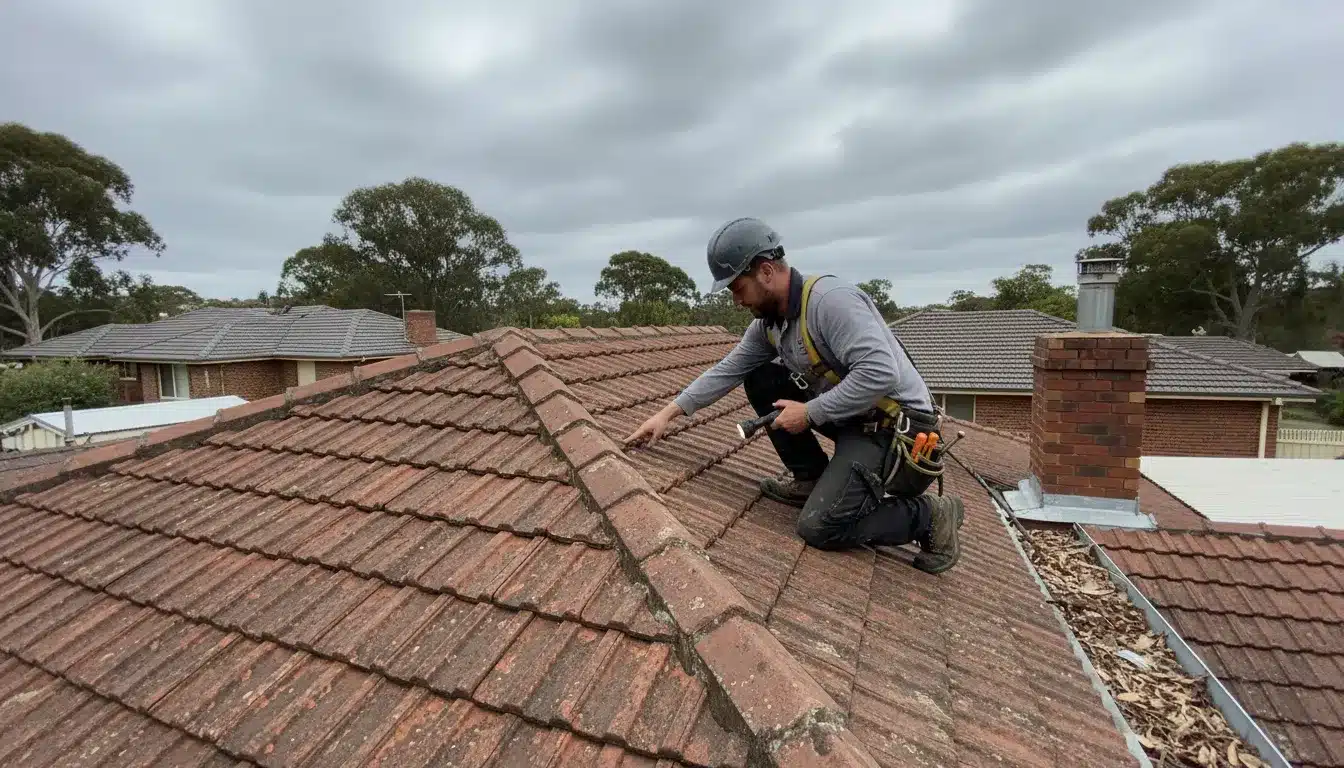
Leaves, grit, moss and fragments of mortar can lift an edge or hold water at a side joint. The resulting route may leave faint evidence inside the cavity, including a damp batten, a dust track or local staining on sarking. Following that evidence upslope is more reliable than assuming the tile directly above the ceiling mark is responsible.
Ridge Capping, Pointing and Flashing
Ridge capping is exposed to heat movement and rain from several directions. Fine pointing cracks can admit water beneath the cap, where it moves along bedding or timber before dropping. Repeated wetting can make a hairline opening more significant than its surface appearance suggests.
Flashing around walls, chimneys and skylights relies on adequate overlaps, turn-ups and clear drainage. Short overlaps, corrosion, failed sealant or movement can leave two surfaces close enough to draw water backwards beneath the visible face. An internal stain near a penetration provides a starting area, while the actual entry point still has to be traced along the flashing detail.
Valleys, Gutters and Downpipes
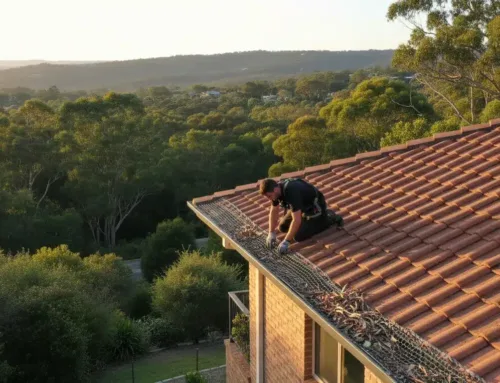
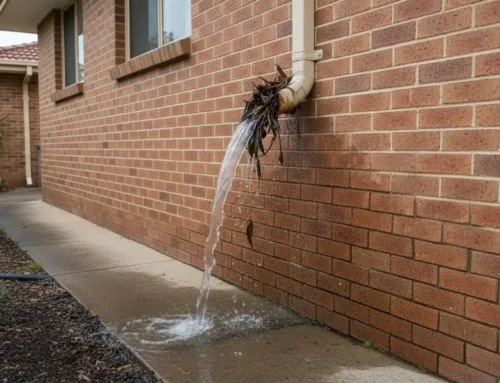
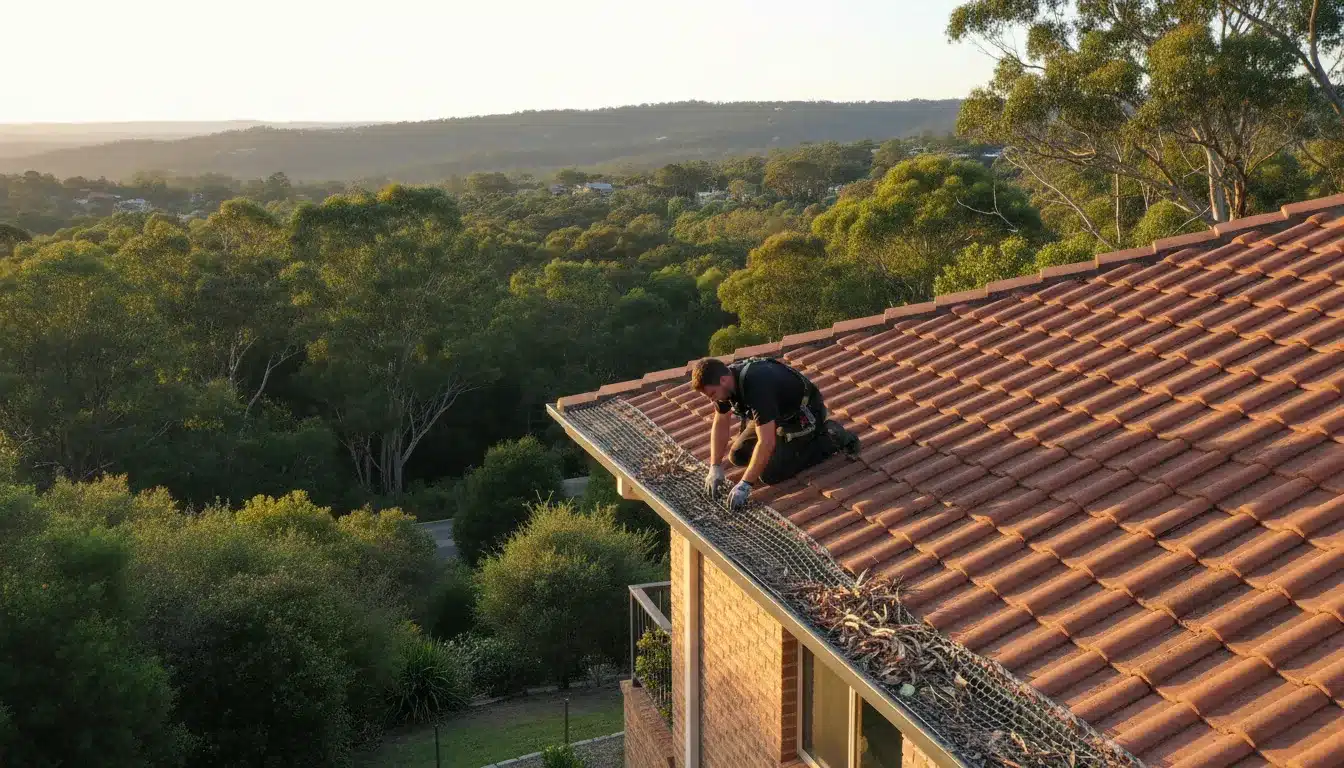
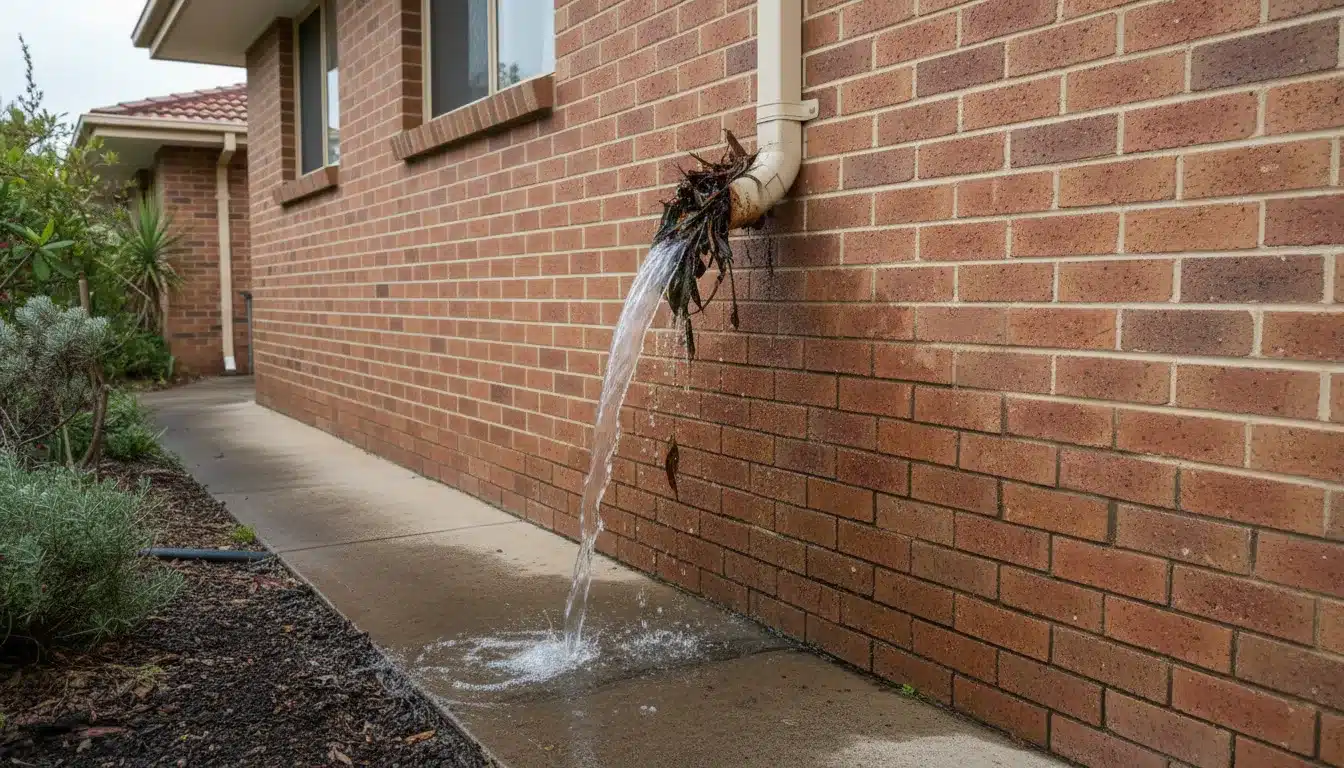
Valleys carry concentrated flow. Tiles cut too close to the valley centre can allow water to bridge beneath their edges, and accumulated debris gives that water more time to enter a fine gap. Clear gutters and downpipes support the capillary-action decision when the inspection shows that restricted drainage is raising water against tile edges or roof junctions.
A valley leak can call for cleaning, improved tile clearance or replacement of corroded metal. The correct choice depends on which condition sustains the route. Removing debris will not resolve corrosion, while replacing sound valley metal will not correct poor tile cuts.
How Porous Tile Moisture Changes the Evidence
Concrete tile surfaces can become rougher and more absorbent as their original finish wears. Shaded or dirty sections may remain dark longer after rain because pores and surface deposits retain moisture. That slower drying becomes diagnostically useful when it lines up with a crack, lap or damaged pointing below it.
Older terracotta tiles can develop hairline cracks and edge chips that are difficult to see from a distance. Water may travel along a fine crack even when the tile retains its general shape. Close inspection should also check the profile and seating of earlier replacement tiles, since a near match can disturb several adjoining laps.
Coating wear can extend the time water stays near these vulnerable details. Suitable roof coatings belong in the decision only when the leak source has been repaired and broad surface wear is contributing to moisture retention. A coating cannot correct a displaced tile, failed flashing overlap or blocked valley.
Surface condition and leak source are separate findings that may occur together. Recording both prevents a local defect from being lost inside a broad restoration proposal and prevents broad deterioration from being treated as a series of unrelated patches.
How an Inspection Traces the Water Path
The first step is to compare the stain with the roof geometry above it. Valleys, ridges, penetrations, wall junctions and tile courses create likely routes. The inspection then looks for physical evidence that strengthens or weakens each possibility.
Fine moisture trails can appear as dark timber, dust lines, small marks on sarking, salt deposits or light rust on fixings. Comparing wet and dry areas can show whether dampness follows a batten, flashing edge or tile lap. Evidence collected soon after rain is especially useful because dry weather can hide an intermittent route.
Storm history supplies another layer. The wind direction, duration of rain and delay before the stain appeared can identify the roof face or junction under pressure. Photographs and dated notes help distinguish a recurring pattern from unrelated indoor condensation or an old, inactive mark.
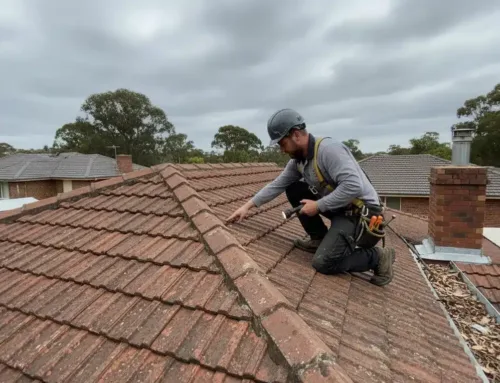
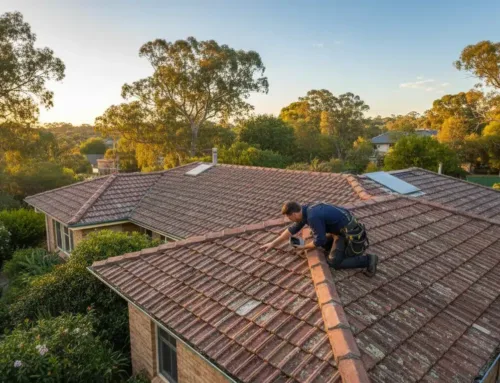
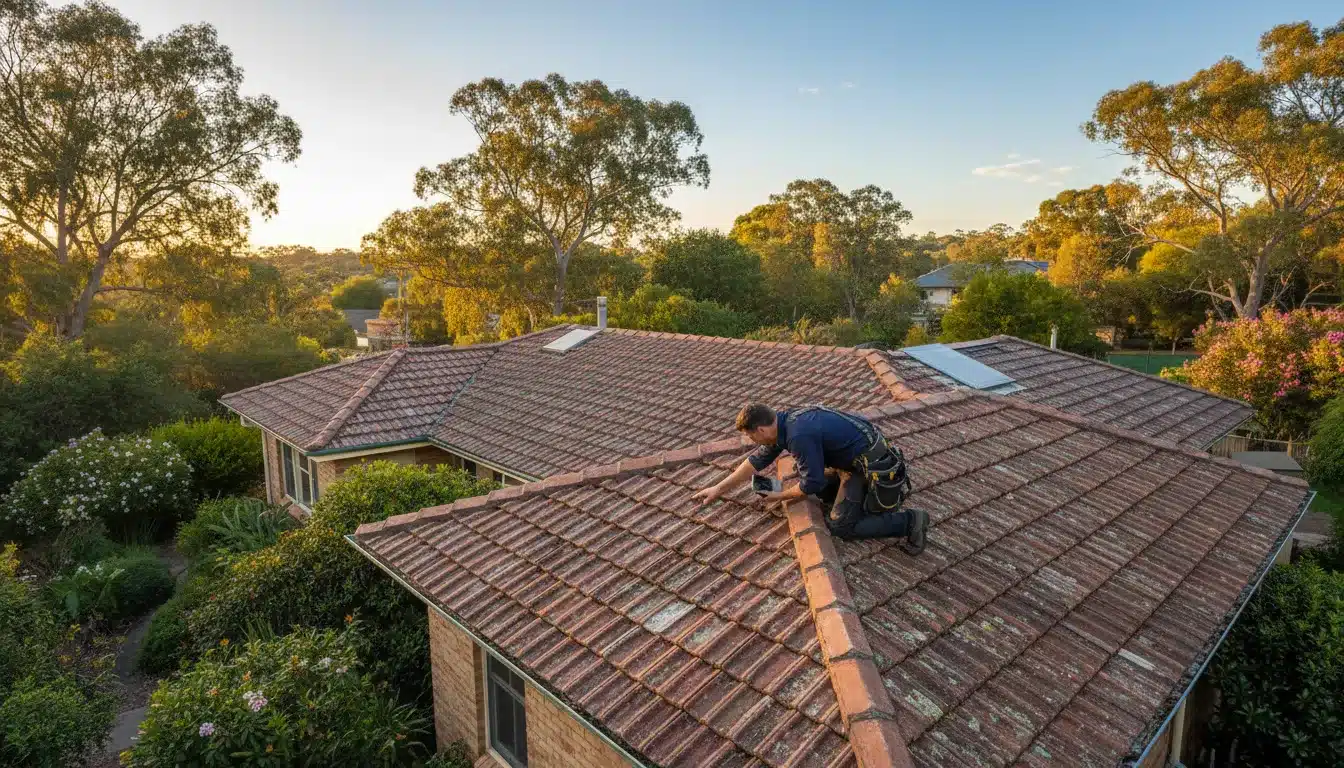
Tile seating and flashing geometry need close inspection at roof level under safe conditions. A tile that appears aligned from the ground may have a broken nib, warped edge or trapped debris. Flashing may look sealed at its exposed edge while a short overlap or failed turn-up allows water to track behind it.
This evidence establishes the boundary between a local defect and wider roof deterioration. With more than 50 years in the industry and knowledge informed by more than 30,000 roofs restored, Permacoat can place the capillary route within the wider condition of the roof before the homeowner chooses a repair, restoration or replacement scope.
Why the Same Roof Does Not Leak in Every Storm
Intermittent leaks reflect changing conditions around a persistent weakness. Wind direction may push rain under one side lap while rain from another direction runs harmlessly over it. Water depth in a valley can rise during an intense downpour and reach a gap that stays dry in lighter rain.
Debris can also create temporary bridges. Leaves, gum nuts, grit and broken mortar hold water against tight joints, then shift after the storm. Regular roof cleaning is relevant when build-up is retaining moisture around valleys, laps or junctions and keeping the capillary route supplied.
Temperature changes alter gap size. Tiles, mortar, metal and sealants expand and contract at different rates, so a fine crack or overlap can behave differently after a hot day. Recording the weather before each leak gives the inspection a practical way to test this movement pattern.
Choosing the Repair Scope
A repair should restore the intended water-shedding path. Depending on the evidence, this can involve reseating or replacing tiles, renewing pointing, correcting a flashing overlap, clearing a valley or replacing corroded metal. Permacoat’s roof repairs fit the decision when one local defect explains the route and the surrounding roof remains serviceable; those repairs carry a 12-month leak guarantee.
Replacement tiles need to match the existing profile closely and sit correctly with adjoining tiles. Flashing work needs adequate overlap, turn-up and drainage direction. These details remove the narrow route itself, avoiding reliance on a bead of sealant that may trap water or divert it into another joint.
Widespread tile failure, failing roof materials or several connected drainage defects can make repeated local work uneconomical. In that situation, re-roofing becomes the appropriate comparison because the capillary path is one symptom of a roof system that can no longer shed water reliably.
Broad surface wear creates a different decision. Cleaning, preparation and roof painting can improve water shedding after cracks, laps, pointing and flashing faults have been addressed. Its value depends on evidence that the existing roof is suitable for restoration.
Homeowners considering that wider work can use Permacoat’s restoration pricing to frame the likely scope after inspection identifies the leak source and general roof condition. This keeps the capillary route central to the decision while allowing related surface deterioration to be costed coherently.
Clues to Record Before an Inspection
Note whether the stain appears during wind-driven rain, grows after rain stops or forms near a valley, skylight, chimney or wall junction. Record the wind direction if possible and photograph the stain at intervals. A delayed change can indicate stored moisture feeding a narrow route.
From the ground, look for roof sections that dry more slowly, visible debris near valleys and replacement tiles with a different colour or profile. Avoid climbing onto a wet roof. Safe observations from indoors and ground level can still give the inspector useful timing and location evidence.
A stain returning after a temporary sealant patch is also significant. It suggests that the water route remains active or has been diverted. Marking the edge of a dry stain lightly with pencil can help show whether it expands during the next event without disturbing the roof detail that needs examination.
Frequently Asked Questions
Should the Roof Be Inspected While It Is Raining?
Indoor moisture patterns are worth recording during rain, but roof-level inspection should wait for safe conditions. Photos, timing and wind direction preserve the storm evidence, while a dry close-up check allows tile seating, cracks, debris and flashing geometry to be examined safely.
Can a Ceiling Stain Identify the Entry Point?
A ceiling stain identifies where moisture became visible. Battens, sarking and insulation can carry water beyond the original gap, so the inspection needs to work upslope and compare the stain with roof junctions above it.
When Does a Local Leak Need Wider Roof Work?
Local work is suitable when one repairable defect accounts for the complete moisture route and nearby materials remain serviceable. Wider restoration or replacement deserves consideration when surface wear, failing materials or multiple connected defects continue to supply or recreate that route.
Conclusion
The repair decision should rest on whether one local defect explains the complete water path or broader tile and drainage wear is keeping that path active. Establishing that boundary first avoids another symptom-only patch and sets the right scope for lasting work.
If your ceiling stain appears after particular storms or returns after a temporary patch, contact us to arrange a free, no-obligation roof inspection and discuss the right repair scope before hidden moisture causes further damage.