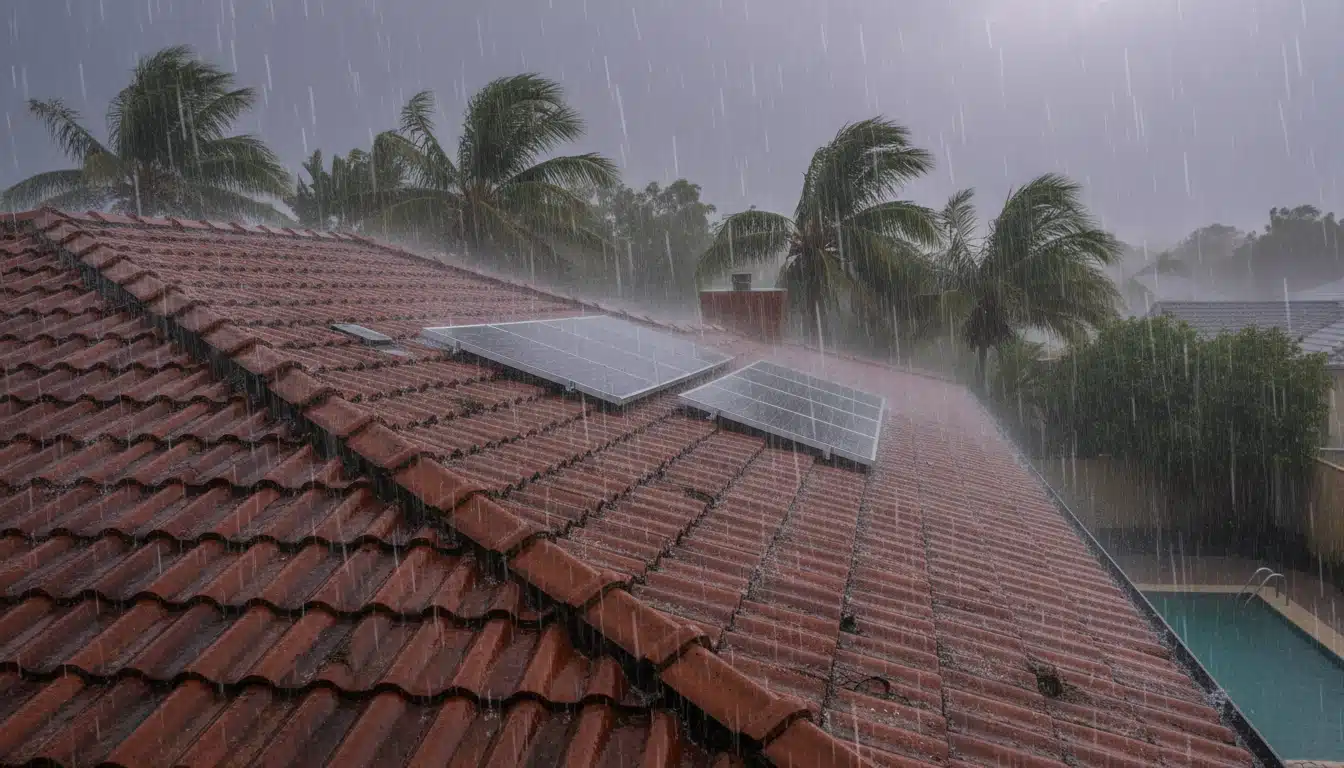
Summer storms can expose leaks that winter missed because the rain often arrives with strong winds, shifting direction and sudden pressure across the roof. Water is pushed under laps, caps and flashings that stay dry during gentler winter rain. Heat can open small movement gaps before the storm.
Often, summer storm leaks expose older damage. A roof may have carried a small concealed weakness for months without producing a visible stain. The summer event simply sends water along a path that winter weather did not reach.
Water rarely falls straight from the entry point to the ceiling. It can run along sarking, battens, rafters or pipes before appearing in another room. That offset is one reason the first stain does not always identify the damaged roof component above it.
Concealed leak signs matter even when the ceiling still looks sound. A musty smell, lifted paint, damp insulation, discoloured timber or marks that appear only after wind driven rain can all justify closer investigation. Note where the water appeared and what changed in the weather when it became visible.
The Difference Between Winter Rain And Summer Storms
Winter rain can be prolonged, yet its direction and intensity may stay relatively consistent. If a small opening sits on the sheltered side of a tile overlap, flashing edge or ridge cap, vertical rain may pass over it without entering. The roof can therefore seem watertight through repeated winter showers.
A summer storm changes that test. Wind can drive water sideways or upslope, while fast runoff can briefly load valleys, gutters and lower roof junctions. Gusts can also make loose components move. Direction, volume and movement place several demands on the roof at once.
The Department of Fire and Emergency Services notes in its storm preparation advice that storms can happen at any time and that blocked gutters contribute to flooding damage. Its advice to maintain the property throughout the year is particularly relevant because a drainage fault may remain unnoticed until intense rain demands the roof shed water quickly.
Heat before a storm adds another variable. Roofing materials expand as they warm and contract as temperatures fall. Each component moves differently, so a tired seal or marginal junction may open enough for driven rain and then close again later. This can make an intermittent leak difficult to reproduce in dry, calm conditions.
Common Weak Points Exposed By Summer Weather
Tile Laps And Small Tile Defects
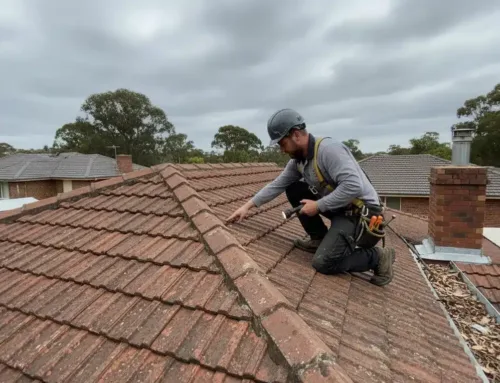
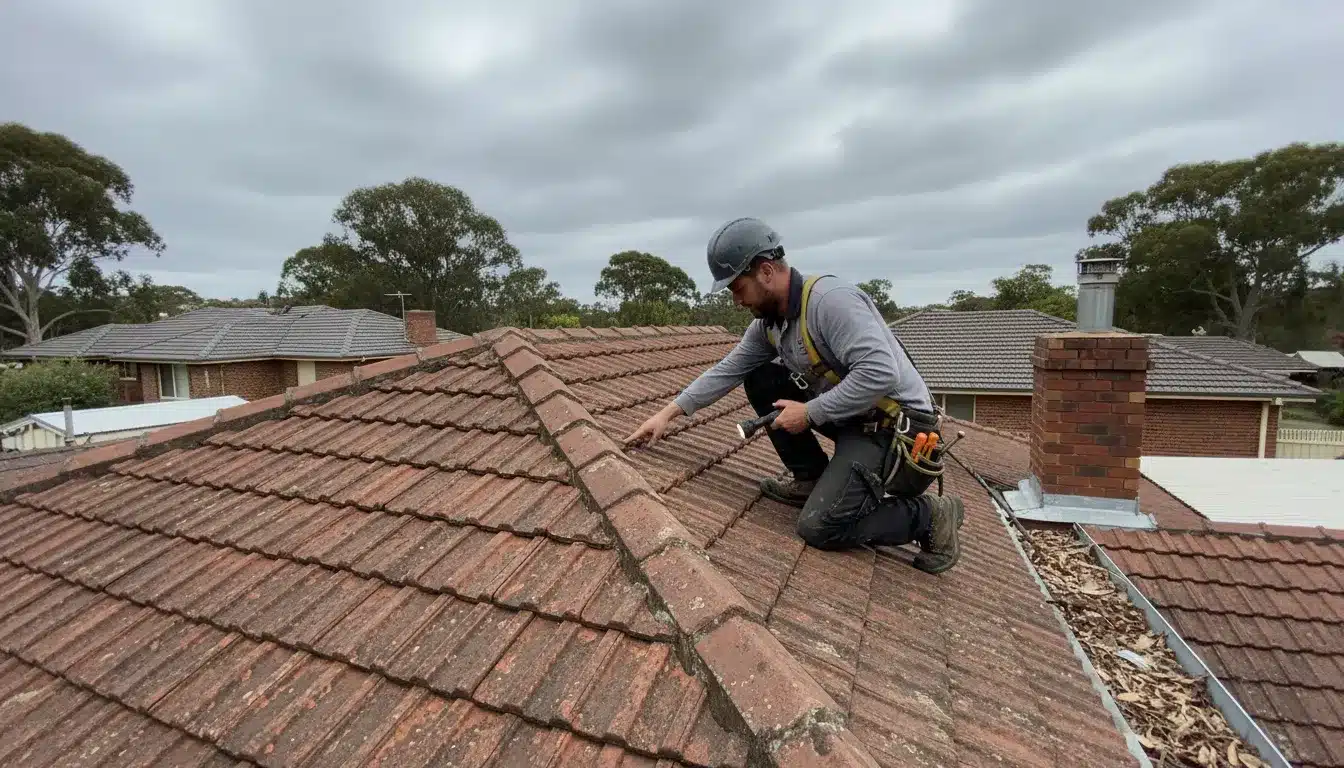
A cracked, slipped or poorly seated tile does not always create a direct hole over the room below. Water can enter at the defect, travel over the roof underlay or supporting structure and emerge farther downslope. Wind driven rain can also work against tile laps that handle ordinary rainfall without trouble. A damaged or displaced tile is a reason to arrange roof tile repairs before another storm drives water along the same route.
Ridge Caps And Bedding
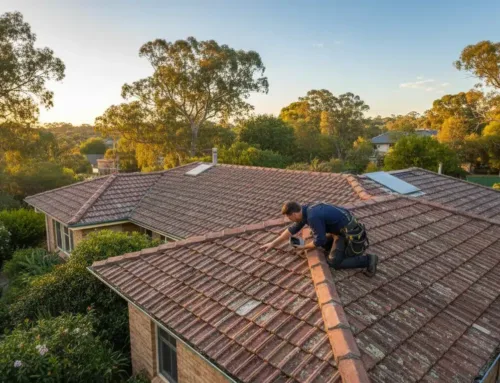
Ridge caps sit in an exposed position and depend on sound bedding and pointing around their edges. As these materials age, fine cracks or separation can create an entry path. A strong gust can push rain into that path even if winter rain never reached it. Cracked pointing, loose caps or failed bedding should be assessed through roof repairs before water reaches a larger area.
Flashings And Roof Junctions
Flashings direct water away from chimneys, walls, valleys and changes in roof plane. A small lift, split or failed seal at one edge can remain hidden until rain approaches from an unusual angle. Junctions deserve particular attention because water can collect, change direction and enter behind the visible surface.
Valleys, Gutters And Downpipes
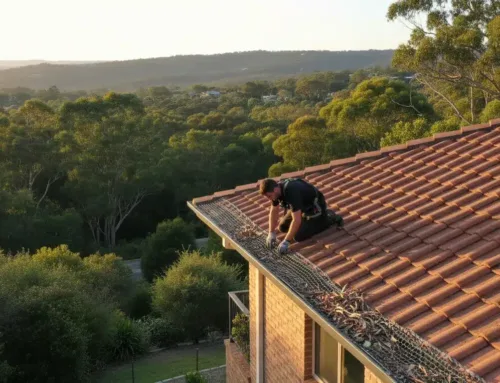
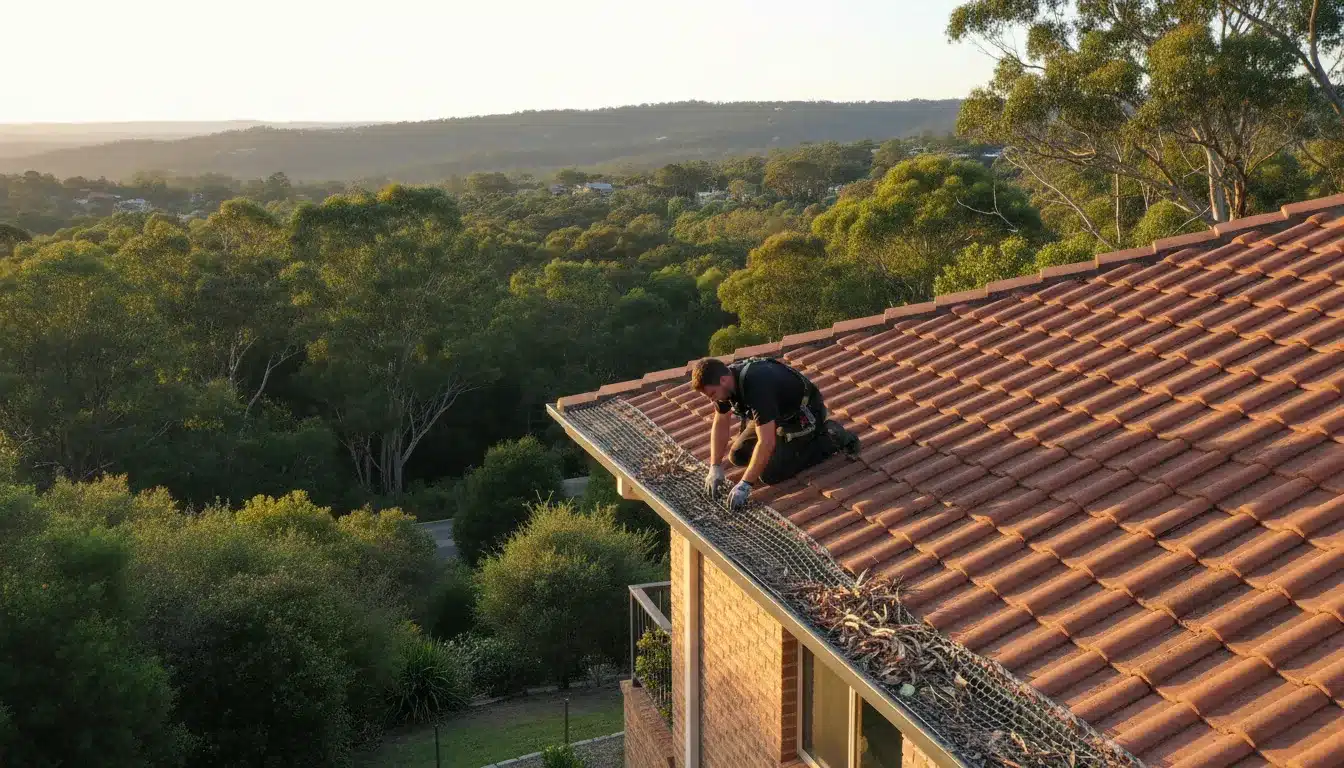
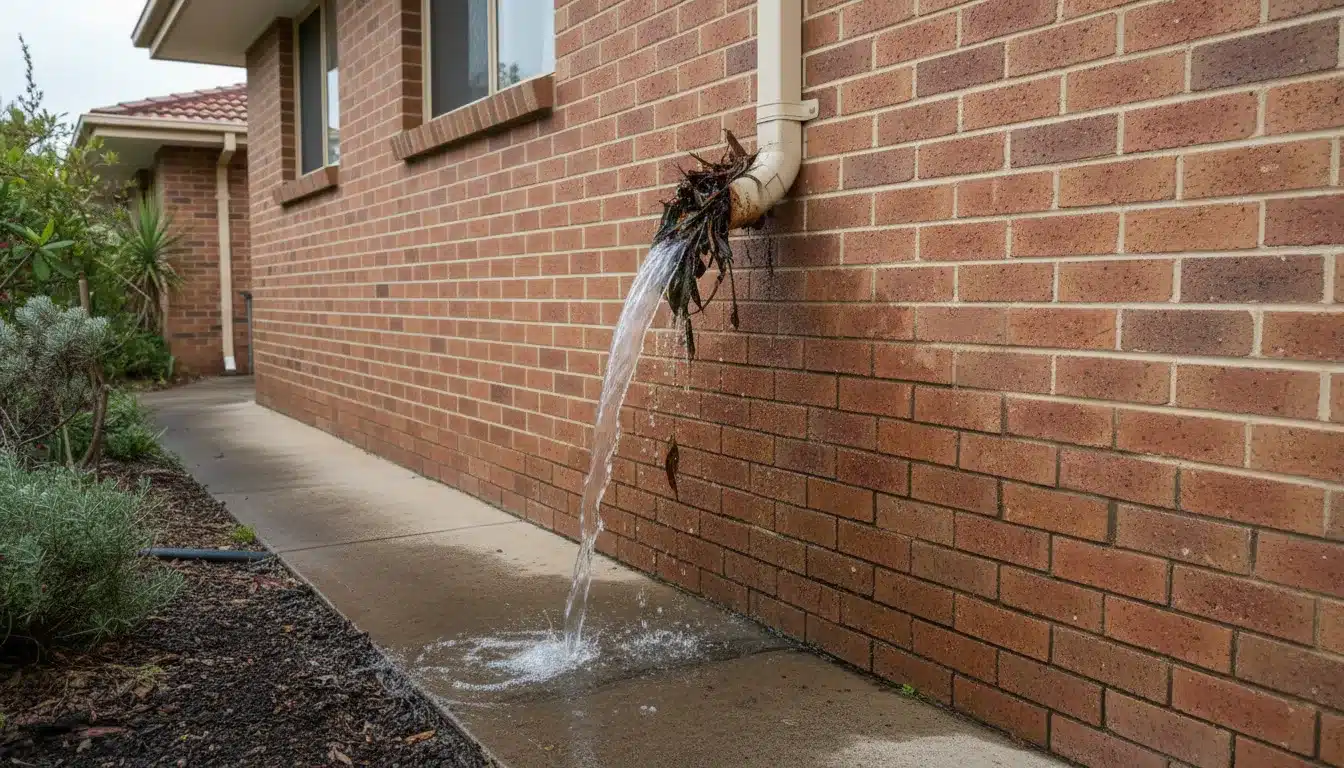
Storm runoff reaches drainage points quickly. Leaves, grit and roof debris reduce capacity and can make water back up beneath roof edges or overflow where it should not. Before storm season, remove loose material visible from safe ground level and arrange roof cleaning when debris has built up across roof surfaces or drainage channels.
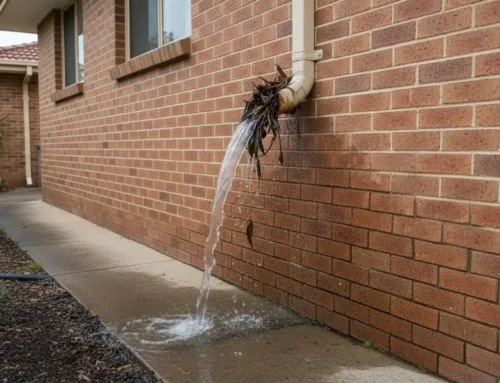
Gutters and downpipes must then carry the collected water away from the building. Overflow marks, sagging sections, corrosion and water spilling behind the gutter are practical clues that drainage needs attention. Damaged sections and ineffective outlets fall within gutters and downpipes work when clearing debris will not restore reliable flow.
How Water Travels Away From The Entry Point
Once water passes the outer roof covering, gravity does not guarantee a straight drop. A slight fall in sarking, a timber member or a cable can redirect it. Insulation may absorb and spread moisture before a stain appears. The visible mark can therefore be several metres from the source.
A stain near a light fitting, cornice or wall may sit at the route’s lowest exit point. Treating the ceiling mark without tracing the path can leave the actual roof defect untouched.
With more than 50 years in the industry and more than 30,000 roofs repaired and restored, Permacoat is grounded in the difference between the symptom inside and the repair needed outside. Our current roof repair offering includes a free, no obligation roof inspection and a 12 month leak guarantee, giving homeowners a practical next step once a stain appears.
The timing then narrows the possibilities. A leak that appears only with wind from one direction suggests an exposed lap, edge or junction. Water arriving quickly during intense rain may point towards drainage capacity or a direct opening. A delayed stain after the storm has passed can indicate moisture stored in insulation or a roof cavity before it became visible.
Concealed Leak Signs To Check After A Storm
The first check should happen only when conditions are safe. Do not climb onto a wet roof or enter a roof cavity where electrical hazards, unstable materials or restricted access create risk. A ground level and internal inspection can still provide useful information for the eventual repair.
Look for fresh ceiling rings, bubbling paint, softened plasterboard, damp cornices and new marks around vents or skylights. Smell can be just as useful as sight: a persistent musty odour may indicate moisture in insulation or timber before staining becomes obvious.
Outside, check from the ground for displaced tiles, ridge pieces that look uneven, debris piled in valleys and gutters that overflowed. Record any change that was absent before the storm and photograph it from a safe position. The visible defect and the internal water route can then be considered together during an inspection.
Those observations help separate an isolated repair from broader work. A single failed component may have a limited scope, while repeated defects, widespread movement or an ageing roof can change the decision. Before comparing quotes, use our guide to roof repair costs to understand the factors that can affect pricing once the extent of the problem is known.
What A Useful Leak Investigation Should Establish
A useful investigation connects three things: the weather conditions, the internal symptom and the roof detail capable of joining them. It should account for wind direction, rain intensity, timing and how far water may have travelled. It should also distinguish the active entry point from older staining.
Photos, storm timing and the order in which marks appeared give the investigation a clearer starting point. They can show whether moisture appeared immediately under intense rain, developed after prolonged runoff or followed wind from one direction. This evidence helps connect a specific weather event with the roof details capable of admitting water.
Where defects are widespread or the roof covering has reached the end of practical repair, compare the likely life of further local repairs with the scope of re-roofing. One stain after one storm supports an inspection; the condition of the whole roof determines whether replacement belongs in the discussion.
For tiled roofs with broader wear across caps, tiles and the surface, compare the identified leak repair with the work covered by tile restoration. Keep the two scopes separate so the quote shows which work addresses the water entry point and which work concerns the wider roof condition.
Information Worth Recording Before An Inspection
Write down when the leak started, how long it lasted and whether the rain was wind driven. Note the wind direction if known, which room showed moisture and whether the stain grew during the storm or appeared later. Photos taken at intervals can show how quickly the affected area changed.
Also record whether the event was the first occurrence or part of a pattern. Previous repairs, recurring gutter overflow, recently moved tiles or work around vents can all help focus the inspection. In strata and managed buildings, give the same photos and timing notes to the occupant, manager and roofing contact because the internal symptom and roof access may involve different people. Our strata roof services provide the relevant starting point for that shared enquiry.
Avoid repainting the stain or discarding wet material before the cause is documented, unless immediate safety or damage control requires action. The shape and edge of a stain can help distinguish a one off saturation event from repeated wetting. If electrical fittings are affected, isolate the area and seek appropriate electrical advice.
Why Waiting For The Next Storm Is Risky
An intermittent leak can look harmless once the ceiling dries, but the concealed materials may remain damp. Repeated wetting can damage plasterboard, insulation and timber finishes, while the next storm may drive water farther along the same route.
Delay also weakens the evidence. Wind direction, timing and the sequence of marks are easier to recall immediately after the event. Write them down while the ceiling mark is fresh so the inspector can compare the indoor symptom with the roof areas exposed during the storm.
The last storm has already supplied useful evidence: its direction, intensity and timing reveal the conditions that triggered the leak. Use that evidence to identify the weak area, check nearby components for similar wear and choose a repair scope before the next severe weather event.
FAQs
Can A Roof Leak In Summer But Not In Winter?
Yes. Wind direction, sudden runoff, pressure and heat related movement can expose an opening that ordinary winter rain does not reach. The leak may be intermittent, but the underlying defect can still need repair.
Does A Ceiling Stain Show Where The Roof Is Leaking?
Not reliably. Water can travel along sarking, battens, rafters, insulation or services before it reaches the ceiling. The stain identifies where water became visible, not necessarily where it entered.
Should I Climb Onto The Roof To Find The Leak?
No. A wet roof presents a fall risk, and storm damage may make tiles or other components unstable. Record what can be seen safely from the ground and inside, then arrange a proper roof inspection.
What Should I Do If The Leak Has Stopped?
Document the stain, storm timing and any visible changes while the details are fresh. Dry conditions are useful for inspection, but they do not mean the roof defect has disappeared. To identify the cause and decide on the right scope, arrange an inspection with us before another storm retests the same weak point.