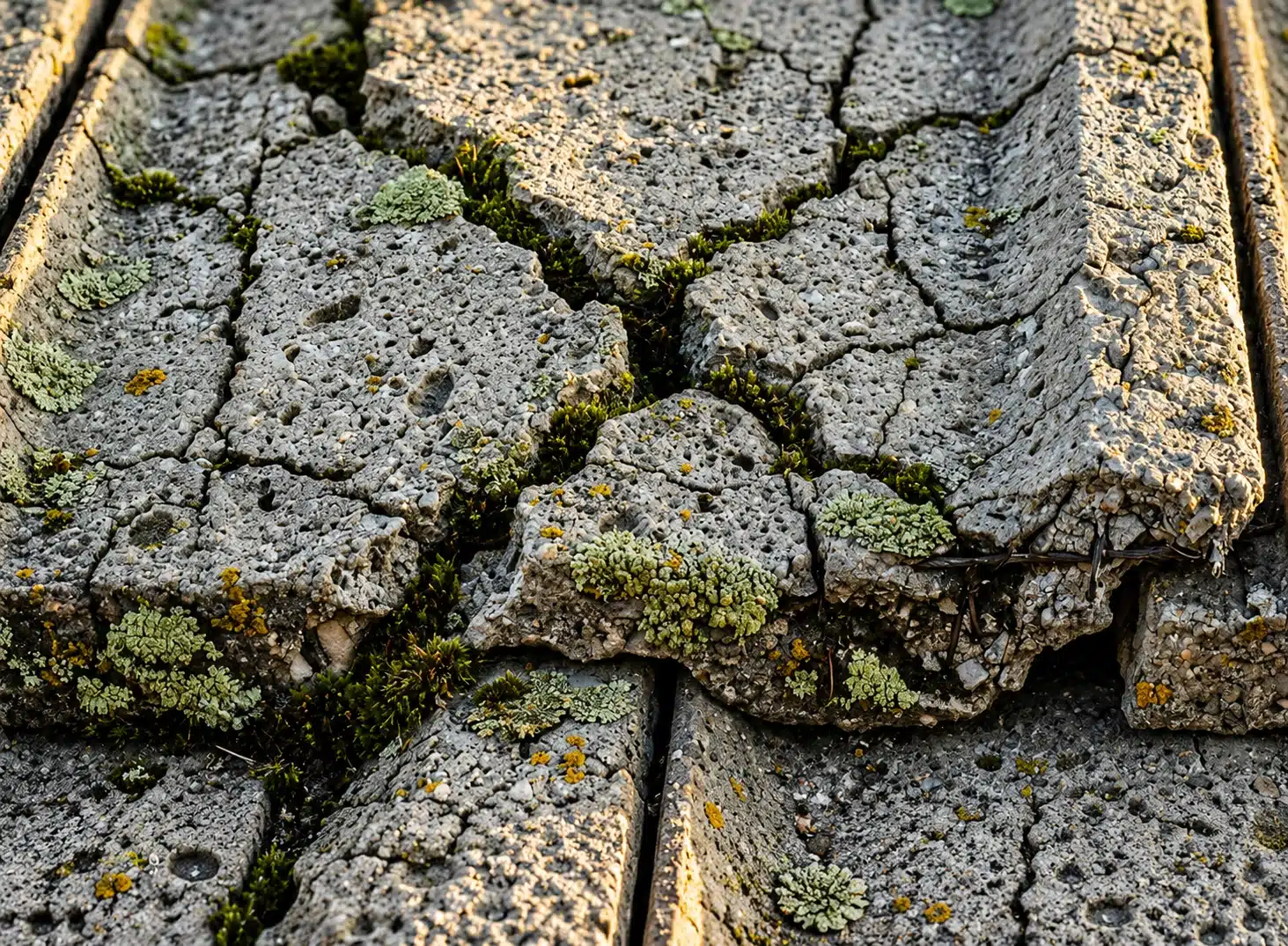
Perth homeowners often discover cracked roof tiles during routine maintenance or after severe weather events. While a few damaged tiles might seem insignificant, understanding why tiles crack and when they require replacement protects property value and prevents costly water damage. Patterns in tile deterioration across Western Australia’s unique climate conditions reveal specific causes and appropriate responses.
The Primary Causes of Cracked Roof Tiles in Perth
Perth’s combination of intense UV radiation, thermal cycling, and occasional severe weather creates perfect conditions for tile deterioration. Coastal properties face additional challenges from salt-laden winds that accelerate material breakdown.
Thermal Stress and Expansion
Perth experiences some of Australia’s most extreme temperature variations. Summer roof surfaces regularly exceed 65°C during peak afternoon heat, then cool to 20°C overnight. This daily expansion and contraction cycle stresses tile materials, particularly where tiles overlap or rest on battens. Concrete and terracotta tiles expand at different rates than the timber or metal structures supporting them, creating stress points that eventually fracture.
Darker roof colours absorb more heat and experience greater thermal movement. A charcoal-coloured concrete tile endures approximately 40% more thermal stress than a lighter terracotta alternative in identical conditions. Over 20-30 years, this cumulative stress manifests as hairline cracks that gradually widen.
UV Radiation Degradation
Perth receives approximately 3,200 hours of sunshine annually – among the highest in Australia. This sustained UV exposure breaks down the binding agents in concrete tiles and weakens the clay matrix in terracotta products. The protective glaze on terracotta tiles gradually deteriorates, allowing moisture penetration that accelerates internal damage.
Concrete tiles without quality protective coatings show visible surface erosion after 15-20 years. The cement matrix becomes porous, allowing water absorption that leads to internal stress during thermal cycles. Professional tile coating in Perth provides UV protection that extends tile life by 15-20 years when applied before significant deterioration occurs. Protective roof coatings seal porous surfaces and prevent water penetration.
Storm Damage and Impact Events
Perth’s winter storm season brings high winds and occasional hail that directly impact roof integrity. Wind-driven debris – tree branches, loose materials, even airborne objects during severe weather – strikes tiles with sufficient force to cause immediate cracking or create stress points that fail months later.
Hailstones larger than 20mm diameter can crack concrete tiles on impact, though damage might not become visible until thermal cycling opens the initial fracture. The northern suburbs and hills areas experience more frequent hail events, with properties in Mundaring, Kalamunda, and surrounding regions showing higher rates of impact-related tile damage.
Walking on Roofs Incorrectly
Many cracked roof tiles result from maintenance workers or homeowners walking on roofs without proper technique. Tiles are designed to bear distributed weight across their surface, not concentrated pressure at specific points. Stepping on the centre of a tile or near unsupported edges creates stress that cracks brittle materials.
Television antenna installers, solar panel technicians, and DIY maintenance attempts frequently cause tile damage. Professional roofing specialists use specific walking patterns and weight distribution techniques that minimise tile stress. A single careless step can crack multiple tiles, particularly on roofs where age has already reduced material strength.
Material-Specific Vulnerabilities
Different tile materials exhibit distinct failure patterns based on their composition and manufacturing methods.
Concrete Tile Characteristics
Concrete tiles dominate Perth’s residential roofing market due to their cost-effectiveness and variety of profiles. These tiles combine cement, sand, and pigments pressed into shape and cured. Quality varies significantly between manufacturers and production periods.
Concrete tiles manufactured before 1990 often used different formulations with less weather-resistant additives. These older tiles show higher failure rates after 25-30 years, with surface erosion and internal cracking becoming prevalent. The porous nature of degraded concrete allows water absorption that expands during rare freeze events in Perth’s hills, causing internal fracturing.
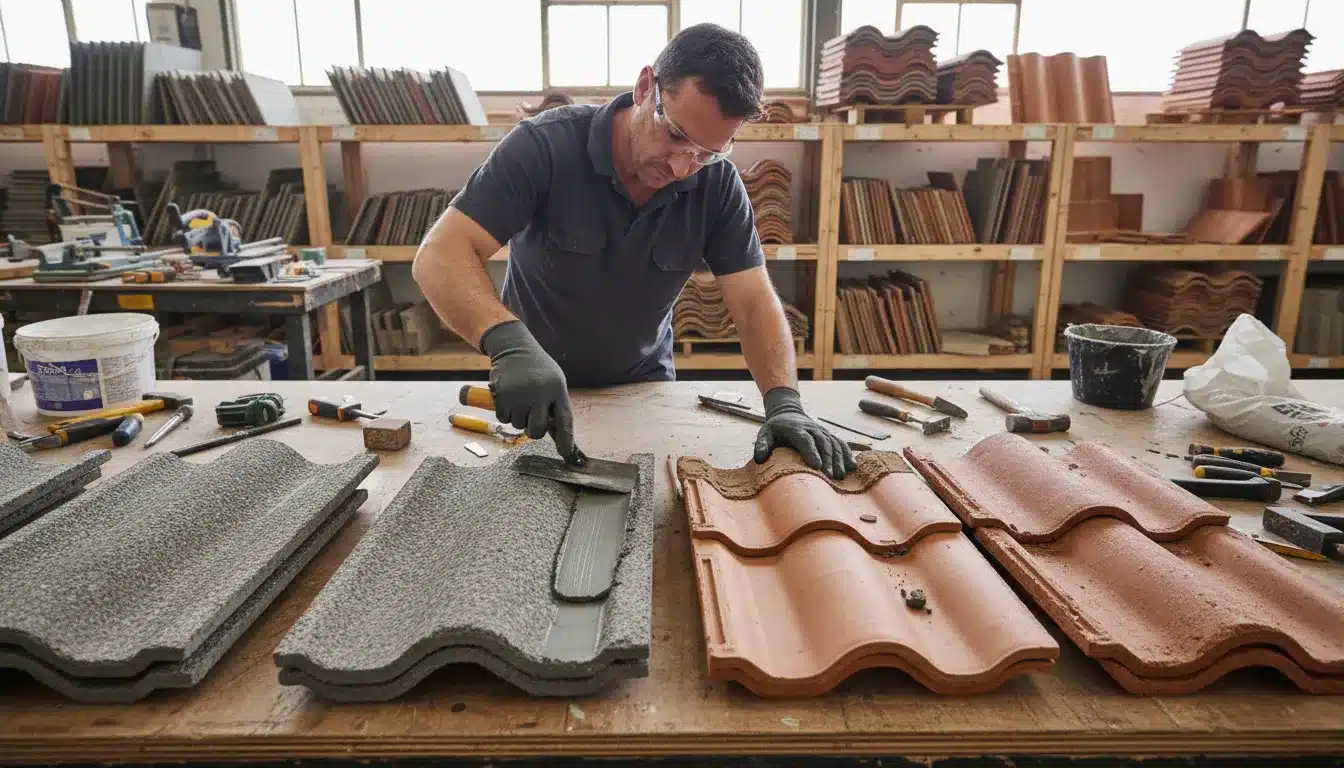
Modern concrete tiles incorporate improved UV stabilisers and water-resistant additives, but still require protective coatings after 15-20 years. Permacoat applies Dulux Acratex coating systems specifically formulated to penetrate concrete tile surfaces, creating a flexible protective membrane that moves with thermal expansion while preventing water penetration.
Terracotta Tile Durability
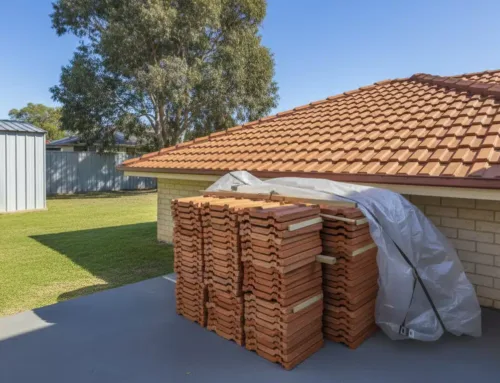
Terracotta tiles offer superior longevity compared to concrete alternatives, with quality products lasting 50-100 years when properly maintained. The fired clay composition resists UV degradation better than cement-based materials, and the natural colour remains stable without protective coatings.
However, terracotta tiles are more brittle than concrete, making them vulnerable to impact damage. A branch that bounces off a concrete tile might crack a terracotta product. The glazed surface on many terracotta tiles provides excellent water resistance but can craze (develop fine surface cracks) after decades of thermal cycling, allowing moisture to reach the porous clay beneath.
Coastal properties with terracotta roofs show accelerated deterioration of ridge capping and valleys, where salt exposure concentrates. The combination of salt crystallisation and thermal stress causes edge spalling – small fragments breaking away from tile edges that eventually compromise structural integrity.
Warning Signs That Indicate Replacement Is Necessary
Not every cracked tile requires immediate replacement, but specific damage patterns indicate urgent action to prevent water damage and structural issues.
Surface Cracks Versus Structural Failures
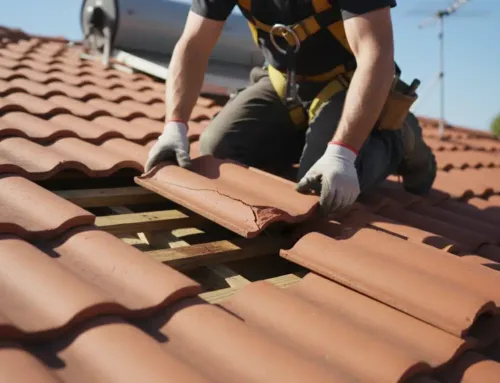
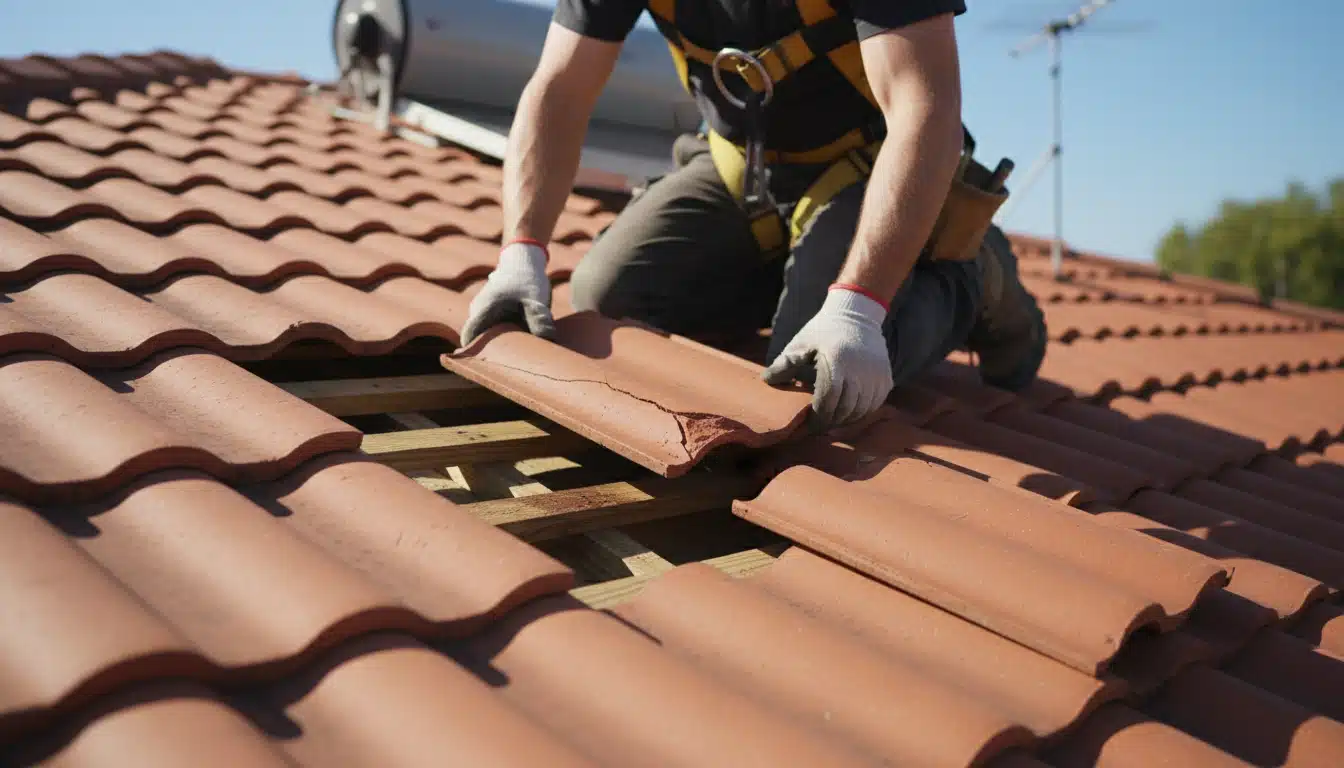
Hairline surface cracks on concrete tiles sometimes indicate only cosmetic damage to the outer cement layer. These fine cracks, typically less than 1mm wide and confined to the tile surface, might not compromise water resistance if the tile’s underlayer remains intact. However, cracks that penetrate through the tile thickness or extend across the entire tile width require replacement.
Test crack severity by gently pressing the tile edges. Movement, flexing, or loose pieces indicate structural failure rather than surface crazing. Any crack that allows visible light through the tile from underneath compromises weather protection and needs immediate attention.
Multiple Cracked Tiles in Concentrated Areas
A single cracked roof tile might result from isolated impact, but multiple failures in one roof section indicate systemic problems. Clusters of cracked tiles suggest structural movement, inadequate support, or material failure affecting the entire batch of tiles installed.
Properties in Perth’s coastal suburbs from Quinns Rocks to Rockingham often show concentrated cracking in north-facing roof sections where UV exposure and thermal stress combine with salt exposure. When more than 15% of tiles in any roof section show damage, roof restoration becomes more cost-effective than piecemeal tile replacement in Perth.
Water Stains on Ceilings
Water stains indicate that cracked roof tiles have allowed moisture past the roof membrane. Even small water intrusions cause progressive damage – timber battens rot, sarking deteriorates, and insulation loses effectiveness. Water damage visible inside the property means external tile damage has existed long enough to compromise multiple protective layers.
Perth’s winter rainfall, though relatively modest, arrives in concentrated events that test roof integrity. A crack that remains dry during summer might channel significant water during a 30mm rainfall event, with moisture tracking along battens to emerge metres away from the actual tile failure.
Loose or Slipped Tiles
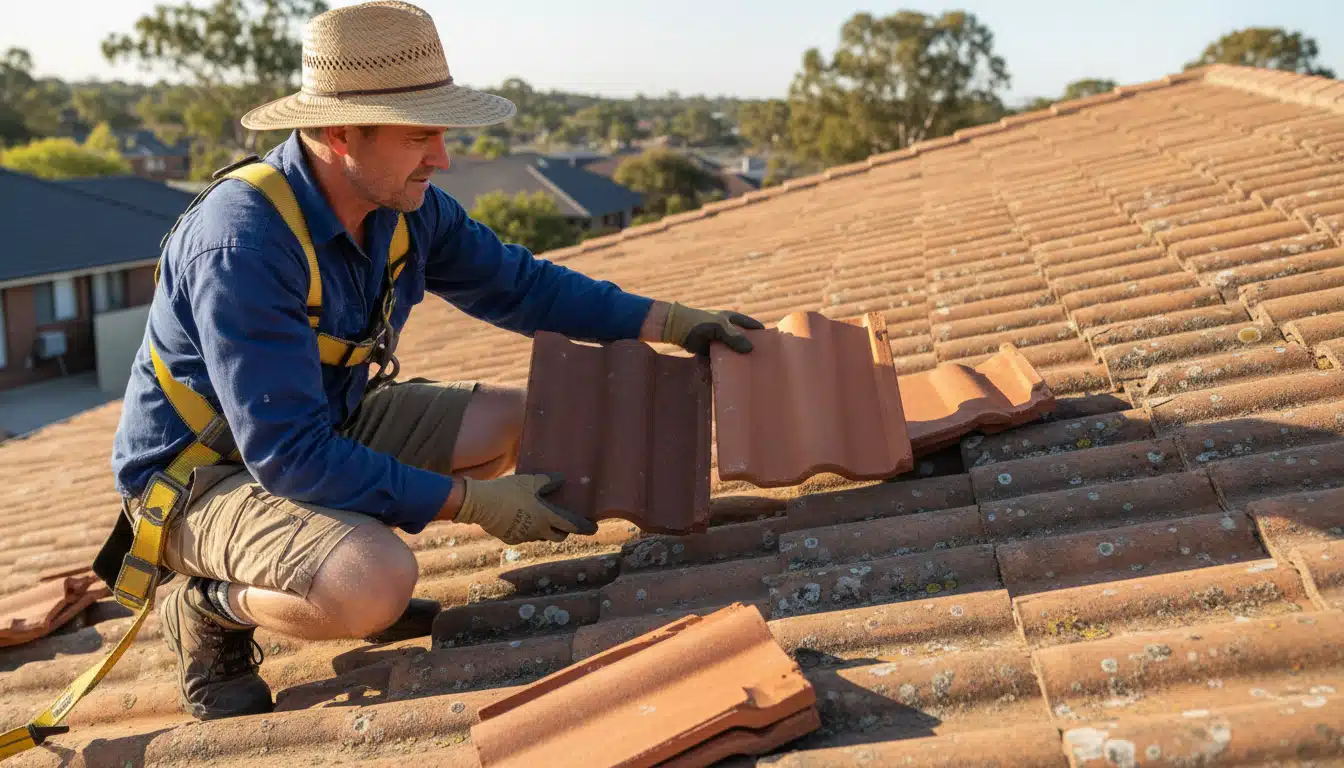
Tiles that have slipped from their original position or move when touched indicate fixing failure or batten deterioration beneath. This movement often accompanies cracking, as the stress of shifting position fractures brittle materials. Loose tiles pose immediate risks – they can slide off roofs during high winds, creating safety hazards and leaving large openings for water entry.
When Repair Is Sufficient Versus When Replacement Is Essential
The decision between repairing individual tiles and undertaking comprehensive replacement depends on damage extent, roof age, and long-term cost considerations.
Individual Tile Replacement Scenarios
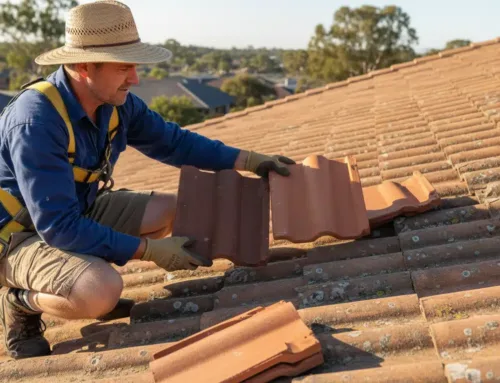
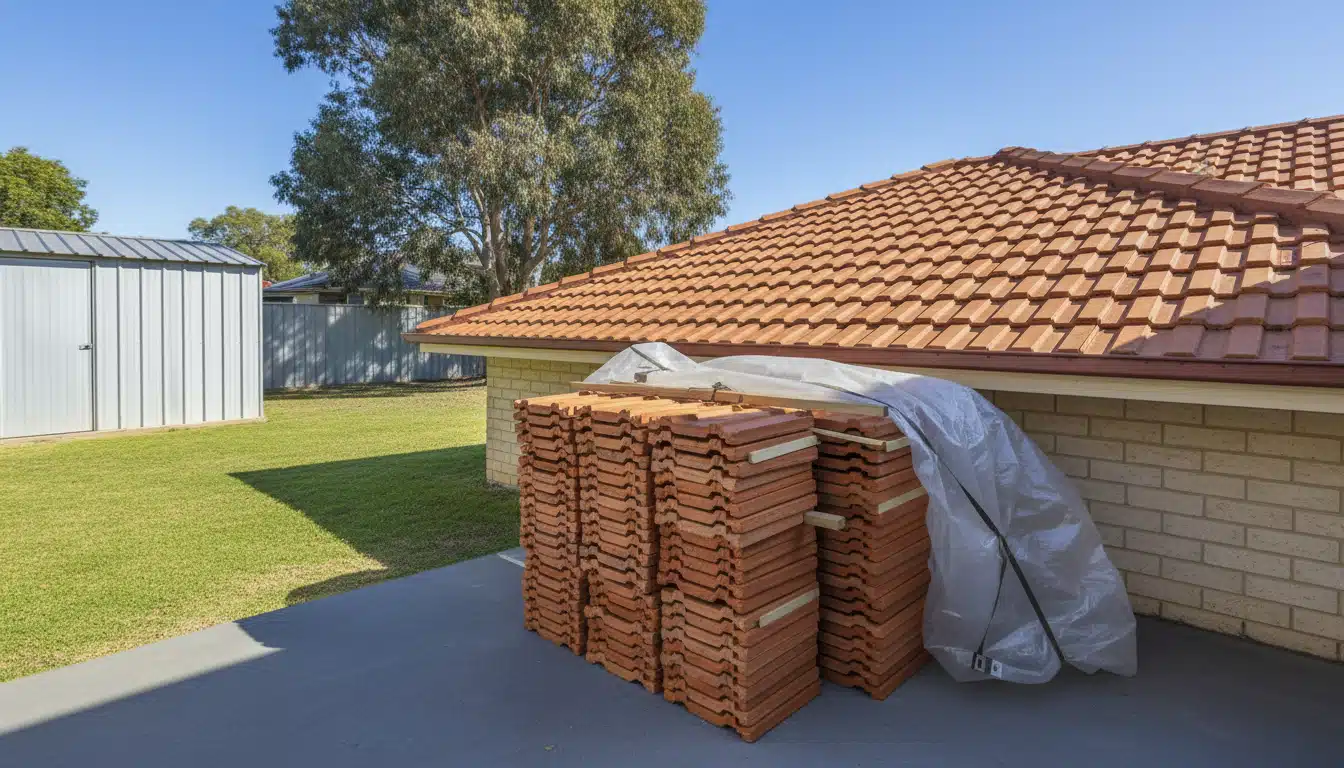
Replacing isolated cracked roof tiles makes economic sense when damage affects fewer than 5-10% of total roof coverage, the surrounding tiles remain in good condition, and matching replacement tiles are available. Targeted repairs addressing specific damage areas extend roof life without major investment.
However, finding exact colour matches for tiles manufactured 20+ years ago presents challenges. Tile profiles change, manufacturers discontinue products, and even identical tile types show colour variation between production batches. Permacoat maintains relationships with Perth’s major tile suppliers and access to discontinued profiles, but perfect matches aren’t always achievable.
Mismatched replacement tiles create aesthetic concerns for visible roof sections. Properties preparing for sale or in prestigious suburbs might prioritise appearance over minor colour variations. In these cases, strategic tile placement – using slightly different tiles in less visible sections – maintains curb appeal while addressing structural needs.
Comprehensive Replacement Indicators
Comprehensive tile replacement or restoration services become necessary when more than 15% of tiles show cracking, spalling, or structural damage. Roofs exceeding 30 years for concrete tiles or 50 years for terracotta warrant comprehensive assessment. Multiple repair attempts that have failed to resolve recurring leaks signal underlying problems beyond individual tiles.
Full tile replacement allows inspection and repair of the entire roof structure, including battens, sarking, and flashing systems that deteriorate over decades. This comprehensive approach through professional roof repairs prevents the false economy of repairing tiles while ignoring underlying structural issues that will cause failures within years.
The Relationship Between Cracked Tiles and Complete Roof Systems
Cracked tiles rarely exist in isolation – they indicate stress on the entire roofing system that affects multiple components.
Batten and Sarking Deterioration
Timber battens supporting tiles gradually deteriorate from moisture exposure, insect activity, and age-related degradation. Perth’s termite activity affects roof structures, particularly in properties with poor ventilation or previous water damage. When tiles crack and allow water penetration, battens absorb moisture during rain events, then dry slowly in Perth’s climate, creating ideal conditions for rot and insect infestation.
Modern sarking materials last 30-40 years, but older properties often have degraded or absent sarking. Cracked roof tiles in roofs without effective sarking allow water direct access to ceiling spaces, dramatically increasing damage potential. Addressing cracked tiles without inspecting and upgrading sarking provides incomplete protection.
Valley and Flashing Vulnerabilities
Roof valleys concentrate water flow, making them particularly vulnerable to damage from cracked tiles. A single cracked valley tile can channel significant water volume onto valley flashing, overwhelming its capacity and causing leaks. Valley tiles experience higher stress from thermal movement and water flow, showing failure rates approximately 40% higher than field tiles.
Flashing around chimneys, vents, and roof penetrations deteriorates independently of tile condition. However, cracked tiles near flashing increase water volume reaching these critical junctions, exposing inadequate or aged flashing that might otherwise remain functional. Professional repairs assess the complete system, not just visible tile damage.
Prevention Strategies That Extend Tile Life
Proactive maintenance significantly extends tile life and prevents premature cracking in Perth’s challenging climate.
Regular Professional Inspections
Annual roof inspections identify developing problems before they cause significant damage. Professional assessments detect hairline cracks, loose tiles, deteriorating pointing, and structural issues invisible from ground level. Perth homeowners should schedule inspections before winter rainfall and after severe weather events.
Permacoat’s free roof inspections examine tile condition, valley integrity, flashing adequacy, and structural soundness. These assessments identify tiles requiring replacement and determine whether localised repairs or comprehensive restoration provides better value. Early detection of cracking patterns prevents water damage that multiplies repair costs.
Protective Coating Applications
Quality protective coatings applied to concrete tiles before significant deterioration occurs extend life by 15-20 years. These coatings seal porous surfaces, prevent water absorption, and provide UV protection that slows material breakdown. The three-coat Dulux Acratex system creates a flexible membrane that moves with thermal expansion while maintaining weather protection.
Coating application requires thorough surface preparation including high-pressure cleaning to remove contaminants, moss, and lichen. The primer coat penetrates tile surfaces, providing adhesion for subsequent protective layers. This systematic approach ensures coating longevity that justifies the investment compared to premature tile replacement.
Controlled Access and Maintenance Practices
Limiting roof access to trained professionals and ensuring proper walking techniques prevents unnecessary tile damage. Homeowners should avoid walking on roofs for tasks like gutter cleaning or antenna adjustments. Professional services use appropriate equipment and techniques that distribute weight safely.
When roof access becomes necessary, walking on tile overlaps near battens minimises stress on individual tiles. Avoiding the centre sections of tiles and stepping carefully prevents the concentrated pressure that cracks brittle materials. Properties requiring frequent roof access for solar panel maintenance or equipment servicing benefit from installing permanent walkways that protect tiles.
Conclusion
Cracked roof tiles result from Perth’s intense UV exposure, thermal cycling, storm events, and improper roof access. Understanding these failure mechanisms helps homeowners recognise when immediate replacement prevents costly water damage versus when monitoring remains appropriate. Individual tile replacement in Perth suits isolated damage affecting less than 10% of roof coverage, while comprehensive restoration becomes cost-effective for widespread deterioration or roofs exceeding 30 years age.
Professional assessment determines whether targeted repairs address immediate concerns or whether comprehensive restoration delivers better long-term value. For expert terracotta tile repair backed by 50+ years of Perth experience and 30,000+ restored roofs, call (08) 9249 5955 to schedule a free inspection.