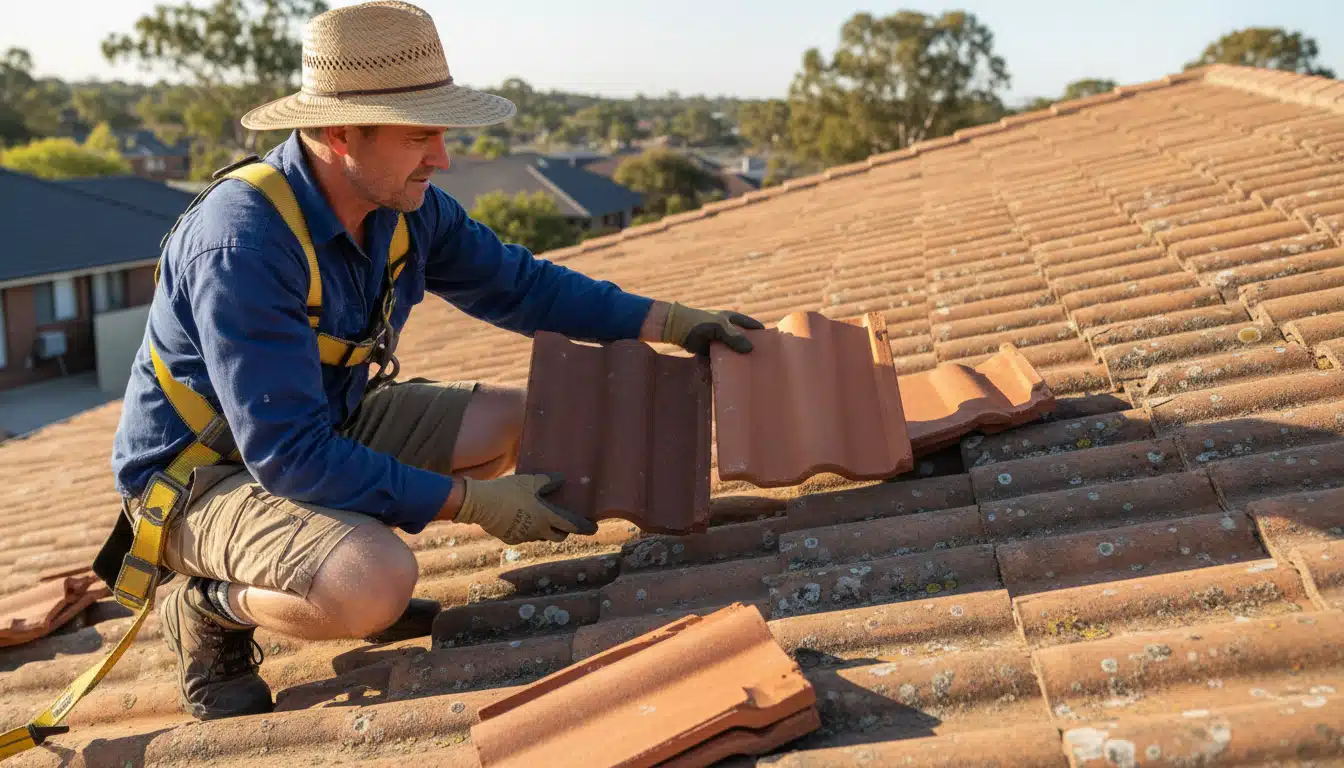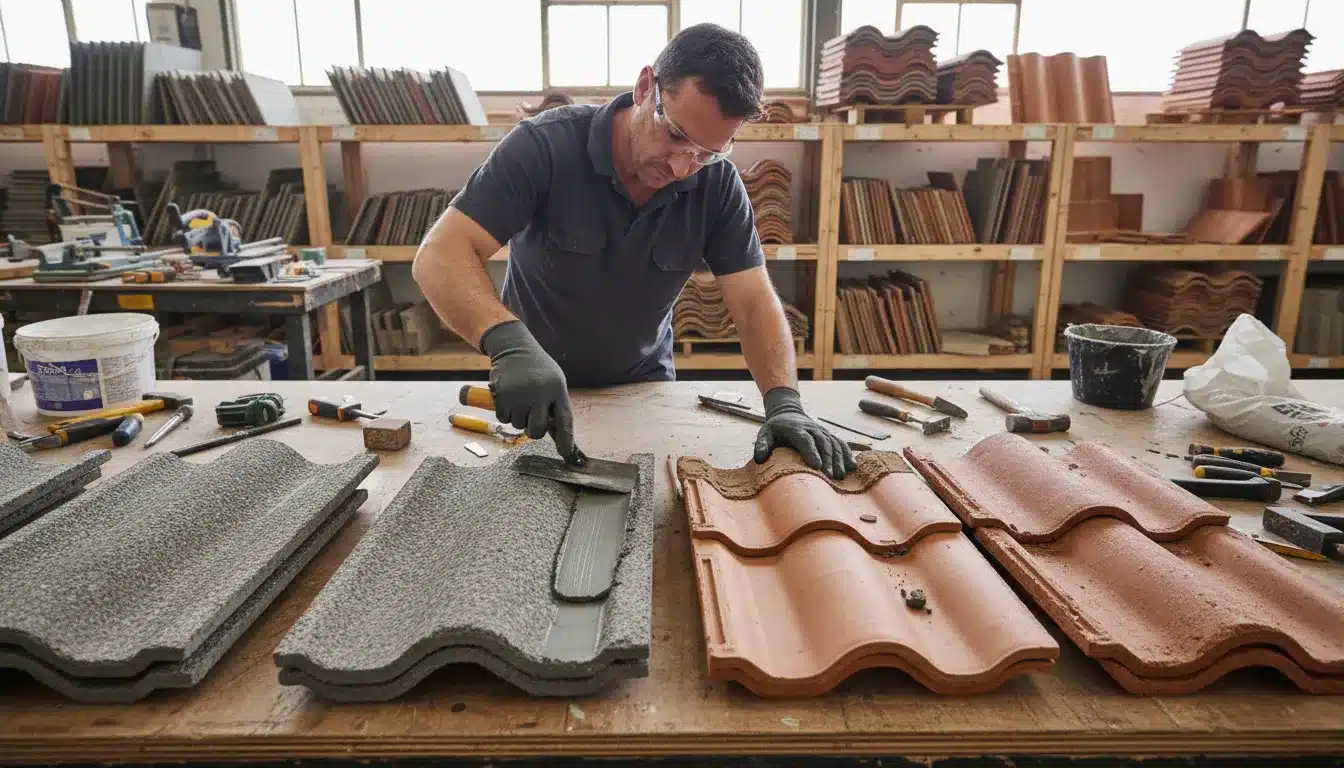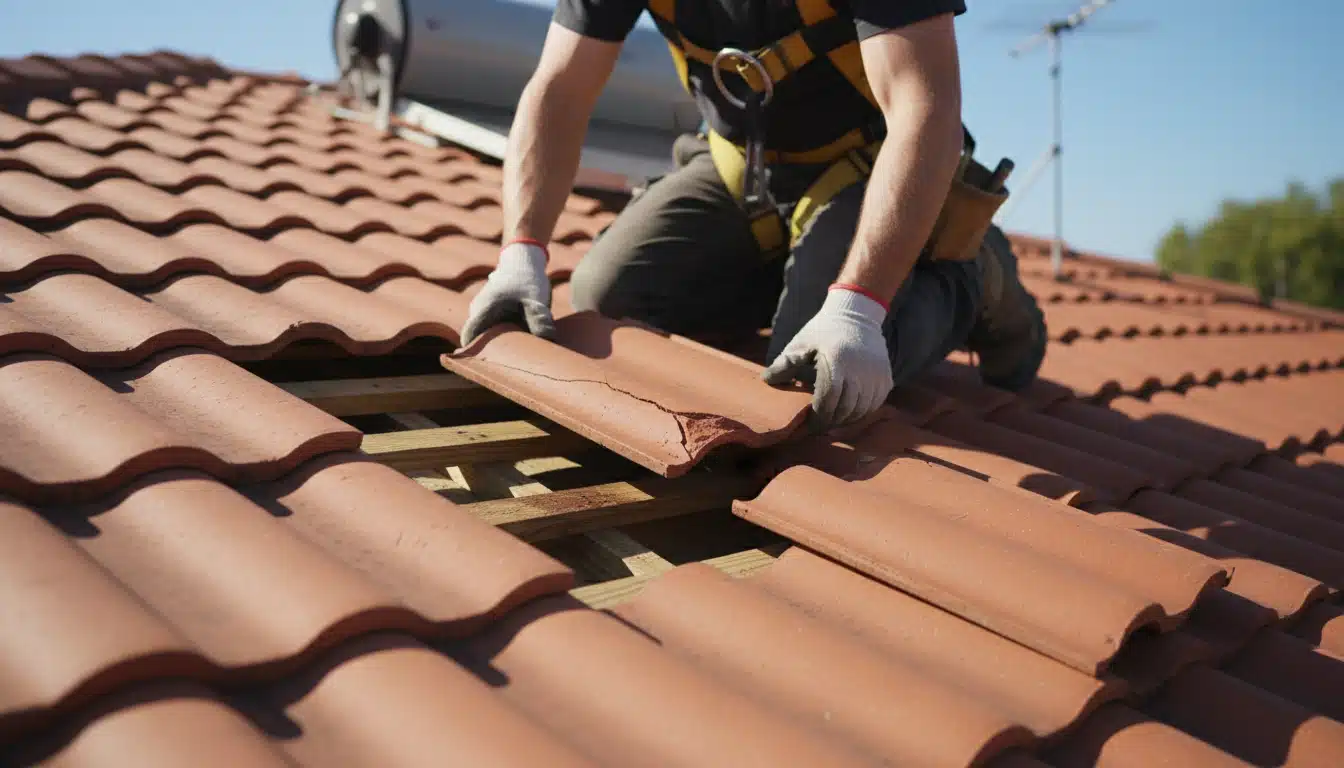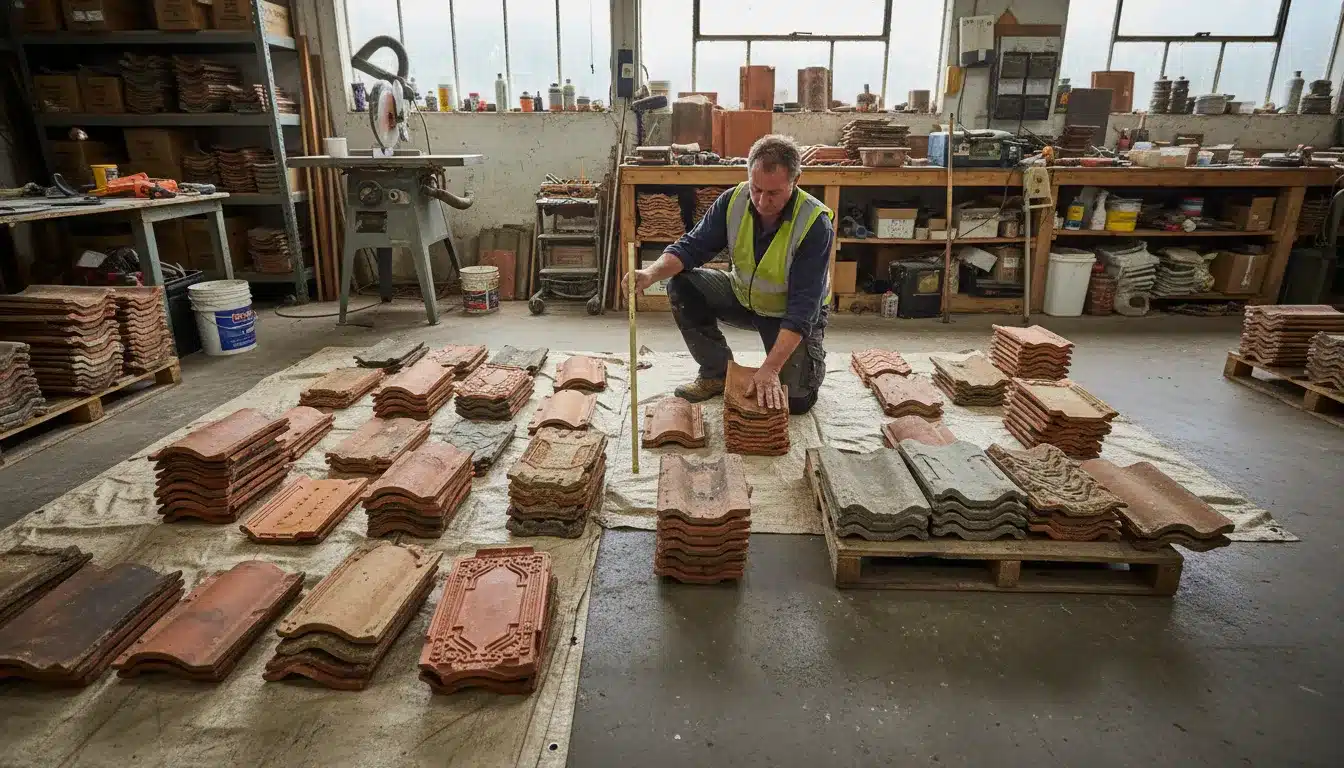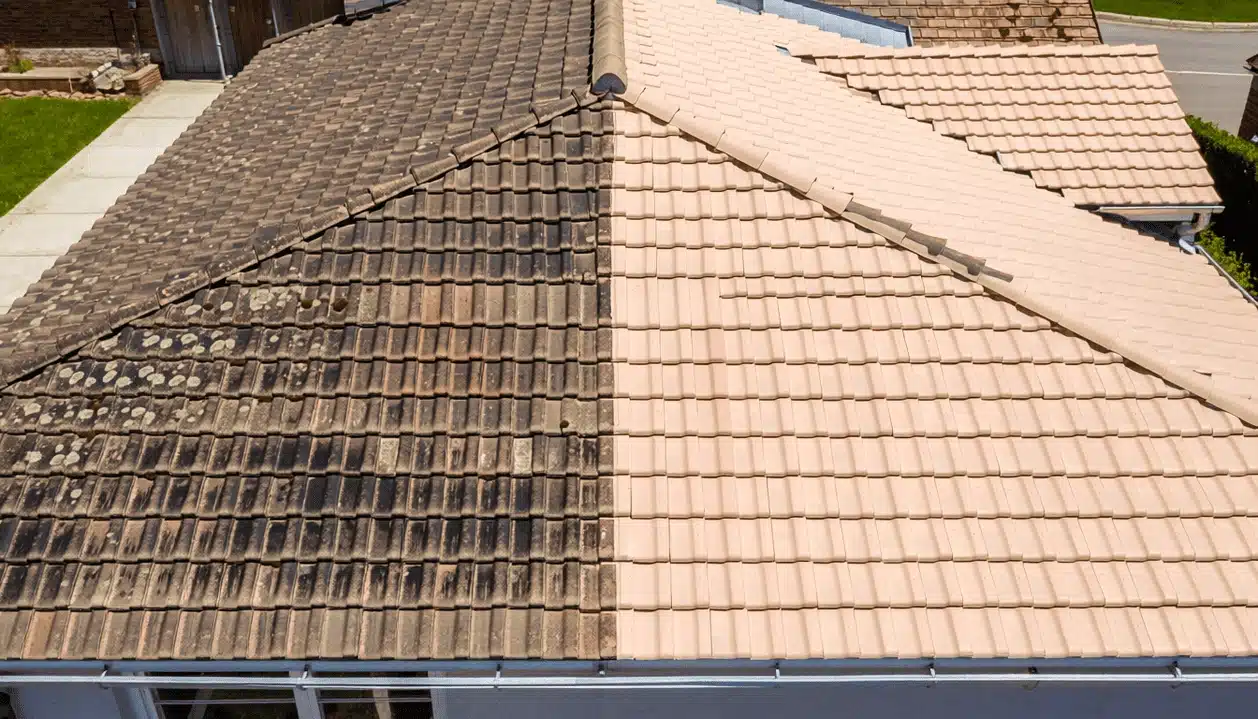
A roof coating might promise 15 years of protection, but it won’t last 15 months if applied over two decades of accumulated dirt, moss, and oxidised grime. Perth roofs face a combination of coastal salt spray, intense UV exposure, and seasonal dust that creates contamination layers no coating system can bond through properly.
The pre-coating wash process isn’t a preliminary rinse before the real work begins. It’s the critical stage that determines whether a coating system delivers its full warranty period or fails within years – and understanding what it actually involves helps Perth homeowners assess whether a restoration quote reflects genuine quality or a cost-cutting shortcut.
What 20 Years of Perth Weather Does to Roof Surfaces
Perth’s climate creates specific contamination patterns that differ significantly from eastern states. Understanding these patterns explains why roof grime removal here demands more than a standard pressure wash.
Coastal and Inland Contamination Patterns
Coastal properties within 5km of the ocean accumulate salt deposits that attract moisture and accelerate surface deterioration. Inland suburbs face a different challenge – dust particles embed into porous tile surfaces during dry summers, then activate with winter rains to support biological growth. By the time a Perth roof reaches the 15-20 year mark, it typically carries multiple contamination layers that require sequential treatment rather than a single cleaning pass.
How UV Exposure Degrades Tile Surfaces
Terracotta and cement tiles develop a chalky oxidation layer as UV radiation breaks down surface binders. This powdery residue prevents coating adhesion even when the tile structure underneath remains sound. Metal roofs experience similar degradation – old Colorbond or iron roofing develops surface oxidation that must be completely removed before any roof coating system can bond effectively to the substrate.
Perth’s UV index regularly exceeds 11 during summer months. This intensity accelerates the oxidation process compared to southern states, meaning Perth roofs typically show heavier surface degradation at the same age than equivalent roofs in Melbourne or Sydney.
Biological Growth: The Deepest Contamination Layer
Biological growth presents the most persistent contamination issue. Moss and lichen don’t just sit on roof surfaces – they send root structures into microscopic pores and surface irregularities, sometimes penetrating 2-3 millimetres deep. A quick pressure wash removes visible growth, but root systems remain embedded in the substrate.
These dormant organisms reactivate under coating layers, causing adhesion failure and premature coating breakdown. This is the mechanism behind a common frustration Perth homeowners experience: moss returning through a coating that was supposed to last 15 years, appearing within 18 months of a restoration that skipped proper biological pre-treatment.
The Four-Stage Deep Cleaning System
Effective roof grime removal addresses each contamination layer sequentially. The pre-coating wash process used by professional restoration specialists follows a structured approach that ensures complete removal without damaging the underlying roof structure.
Stage One: Biocide Treatment for Organic Growth
Before any water contacts the roof, a specialised biocide solution treats all moss, lichen, and algae growth. This treatment penetrates root structures embedded in tile pores and mortar joints, killing organisms at their source rather than simply removing surface vegetation.
The biocide requires dwell time – typically 24-48 hours – to fully penetrate and neutralise biological growth. Rushing this stage leaves dormant spores that reactivate under coating layers. Properties with heavy shade or near bushland often require repeat applications to address persistent growth patterns common in Perth’s northern and eastern fringe suburbs.
Stage Two: High-Pressure Water Blasting
Once biocide treatment has neutralised organic growth, high-pressure water blasting removes all loosened contamination. Pressure settings vary based on roof material – cement tiles withstand higher pressures than aged terracotta, while metal roofing requires careful pressure calibration to avoid surface damage.
Water volume matters as much as pressure. Insufficient flow during high-pressure cleaning leaves contamination residue that compromises coating adhesion. The cleaning process typically uses thousands of litres – a necessary investment for surfaces that must remain sealed for 15-20 years. Professional operators work systematically across all tiles, valleys, and ridges rather than covering the roof in broad sweeps.
Stage Three: Chemical Cleaning for Stubborn Contamination
Some contamination resists even high-pressure water treatment. Oxidation layers on old terracotta tile restoration projects, embedded salt deposits on coastal properties, and certain industrial fallout require targeted chemical treatment.
Acid-based cleaners address mineral deposits and oxidation, while alkaline solutions tackle organic staining and specific industrial contaminants. Chemical selection depends on roof material composition – terracotta tiles tolerate different cleaning agents than cement tiles or metal roofing. Chemical cleaning also requires complete neutralisation before coating application. Residual cleaning agents interfere with coating chemistry and prevent proper adhesion, making the final rinse stage as important as the treatment itself.
Stage Four: Final Rinse and Drying Assessment
The final rinse removes all loosened contamination, neutralised chemicals, and cleaning residue using lower pressure with high water volume. This stage flushes valleys, gutters, and all horizontal surfaces where debris accumulates.
Proper drying assessment prevents one of the most common pre-coating failures – moisture trapped in porous substrates. Cement and concrete tiles absorb significant water during cleaning. Coating over damp substrates causes adhesion failure as trapped moisture tries to escape through the coating layer. Perth’s dry climate typically allows 24-48 hours for complete substrate drying, but timing varies with season, humidity, and roof material. Moisture meters confirm substrate dryness before coating teams begin – a quality checkpoint that prevents application over inadequately dried surfaces.
Why Surface Preparation Takes Longer Than Coating Application
The actual coating application typically takes 1-2 days for an average Perth home. The pre-coating wash process often requires 3-4 days. This timeline reflects the reality that coating adhesion depends entirely on substrate condition.
The Science Behind the Time Investment
A coating system bonds both mechanically and chemically to the prepared surface. Mechanical bonding requires clean substrate with adequate surface texture – contamination layers prevent physical interlocking. Chemical bonding needs direct contact between coating primers and roof material – any barrier layer of dirt, oxidation, or biological residue prevents proper chemical adhesion.
Permacoat, WA’s longest-serving roof restoration company with 50+ years of experience and 30,000+ roofs restored across Perth, maintains separate preparation and coating teams to ensure this critical stage receives appropriate attention. Preparation specialists focus exclusively on surface cleaning, while coating specialists handle primer and finish coat application. This separation prevents the industry shortcut of rushing preparation to begin coating work – a shortcut that generates warranty claims and premature failures.
How the Preparation Investment Pays Off
Properties that receive proper pre-coating wash preparation show coating systems regularly exceeding their 15-20 year warranty periods. Properties restored with preparation shortcuts require recoating every 5-7 years, with cumulative costs over two decades significantly exceeding the investment in quality initial preparation.
The preparation phase represents 40-50% of total project cost – and it determines 90% of long-term coating performance.
How Roof Material Affects Preparation Requirements
Different roof materials present distinct pre-coating wash challenges that require specialised approaches. A single protocol applied to all roof types produces inconsistent results.
Terracotta Tiles
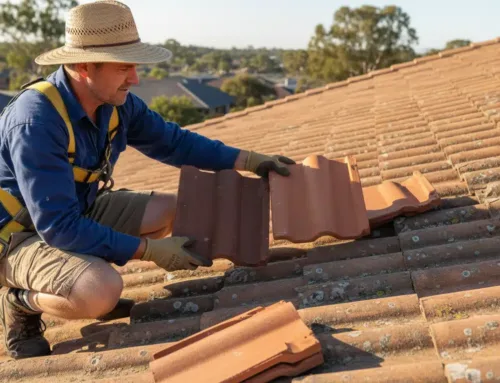
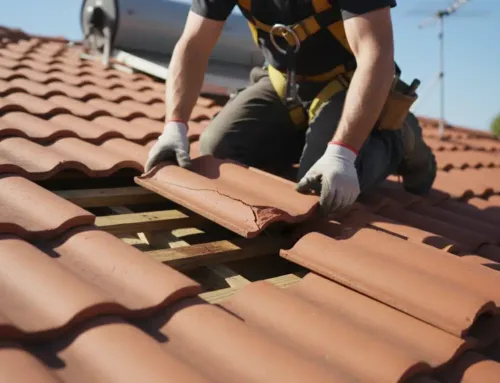
Older terracotta develops significant surface oxidation that creates a powdery layer preventing coating adhesion. These tiles also absorb considerable water during cleaning, requiring extended drying periods before primer application. Terracotta’s relatively soft surface limits pressure washing intensity – excessive pressure damages tile faces and creates surface irregularities that show through coating layers after application.
Cement and Concrete Tiles
Denser than terracotta, cement tiles withstand higher cleaning pressures but absorb even more water. They frequently show biological growth in their textured surfaces, requiring thorough biocide treatment. The alkaline nature of cement substrates requires specific primer systems for proper coating adhesion – a chemistry detail that separates experienced restoration specialists from operators applying a one-size approach to all tile types.
Metal Roofing: Colorbond and Iron
Colorbond and older iron roofing develop surface oxidation and chalking that must be completely removed before any complete roof restoration can proceed. Metal roofs require careful pressure calibration – too much pressure damages protective factory coatings on newer Colorbond, while insufficient pressure leaves oxidation layers that prevent primer adhesion. Rust treatment requires additional chemical preparation before coating application, adding a stage that tile preparation typically doesn’t require.
Coastal Properties: Unique Contamination Challenges
Properties within 5km of Perth’s coastline accumulate salt contamination that requires specific treatment protocols. Salt attracts atmospheric moisture, creating a persistent damp layer on roof surfaces even during dry weather. This moisture supports biological growth and accelerates substrate deterioration beyond what inland properties experience.
Salt deposits don’t rinse away with standard pressure washing. The crystals embed into porous tile surfaces and mortar joints, requiring chemical treatment for complete removal. Incomplete salt removal causes coating adhesion problems and creates pathways for moisture penetration under coating layers – particularly problematic in Perth’s western suburbs where ocean exposure is constant.
Coastal roof grime removal projects typically require extended biocide dwell times and additional chemical cleaning stages. The extra preparation investment prevents the coating failures common on coastal properties where preparation shortcuts were taken.
Valley and Gutter Integration During Cleaning
Effective pre-coating wash preparation extends beyond visible tile or metal surfaces. Valleys accumulate years of debris, organic matter, and sediment that creates moisture problems regardless of how well the tile surfaces are cleaned.
Valley cleaning removes accumulated debris and treats biological growth in these perpetually damp areas – zones that harbour the highest concentration of dormant spores on most Perth roofs. Clean valleys ensure proper water flow and prevent moisture accumulation under coating systems after restoration is complete.
Blocked or damaged gutters identified during preparation receive attention before coating work begins. Integrating gutter and downpipe services into the preparation phase ensures drainage systems support rather than undermine roof performance throughout the coating’s service life.
The Real Cost of Inadequate Preparation
Budget roof coating services often quote significantly lower prices by reducing preparation time. A single-day clean-and-coat approach might remove visible dirt but leaves the contamination layers that cause coating failure within 2-5 years.
Coating warranties specify surface preparation requirements. Inadequate preparation voids these warranties, leaving property owners with failed coatings and no recourse. The cost of stripping failed coatings and properly preparing surfaces then recoating typically exceeds the initial cost of doing the work correctly. Perth homeowners who choose the lowest quote often pay twice – once for inadequate restoration and again when proper preparation finally occurs.
Properties prepared to professional standards show coating systems lasting 20+ years with minimal maintenance. The roof grime removal investment – typically 40-50% of total project cost – determines whether the coating investment delivers its intended value or becomes a recurring expense.
Conclusion
Twenty years of accumulated Perth grime doesn’t rinse away with a quick pressure wash. Effective pre-coating wash preparation requires systematic contamination removal that addresses biological growth, oxidation layers, salt deposits, and embedded dirt in sequence. This multi-stage process creates the clean substrate essential for coating adhesion and long-term performance.
Different roof materials – terracotta, cement tile, Colorbond – require different pressure settings, chemical treatments, and drying times. Coastal properties demand extended protocols. And every roof, regardless of type or location, requires adequate drying time before coating begins.
For expert roof restoration in Perth built on proper pre-coating preparation and backed by 50+ years of experience, call (08) 9249 5955 to book your free roof inspection and preparation assessment.